Do Adjustable Beds Work During Power Cuts? Battery Backup, Manual Override and India Realities

Most electric adjustable beds cannot move without power unless they specifically include a battery backup system or a manual hand-crank override features not every model includes by default. Given how common power interruptions still are in many parts of India, this is one of the most practical questions to ask before buying, especially for patients […]
Adjustable Beds for Diabetic Patients: Managing Neuropathy, Foot Swelling and Wound Risk
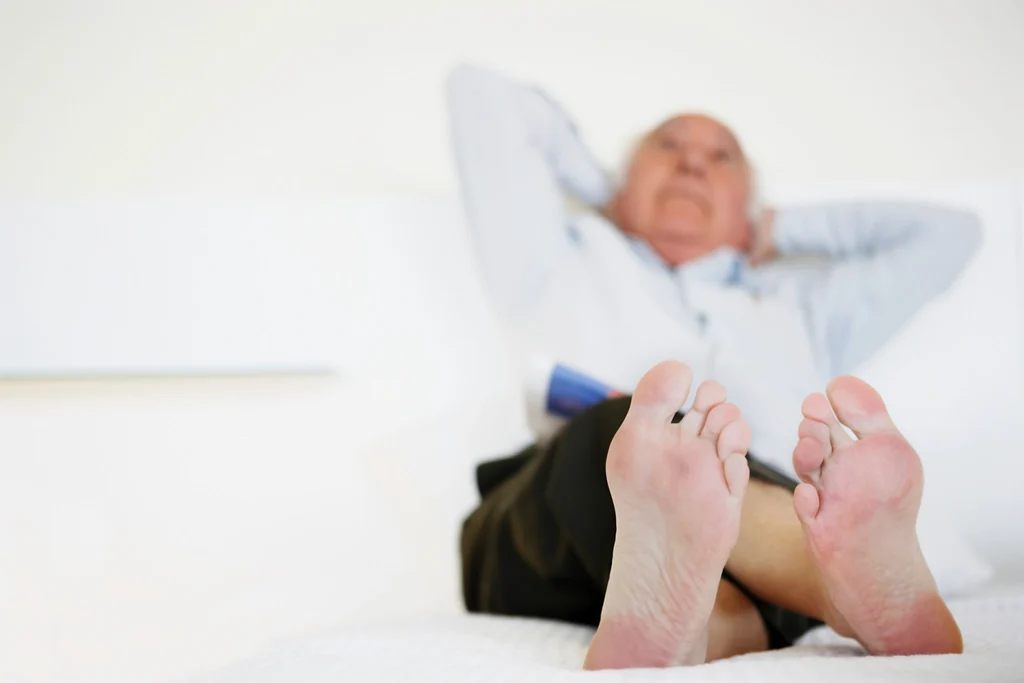
For diabetic patients, an adjustable bed helps most through leg elevation, which supports circulation and reduces foot and ankle swelling both particularly relevant given diabetes’ impact on blood flow and wound healing. Regular repositioning also lowers pressure-related wound risk, which matters more for diabetic patients since reduced sensation from neuropathy can delay noticing early skin […]
Are Adjustable Beds Safe for Overweight or Bariatric Users? A Weight Capacity Guide

Yes, adjustable beds are safe for overweight and bariatric users, provided the frame’s rated weight capacity, motor strength, and mattress are all matched to the user’s actual weight with reasonable margin. Standard adjustable bed frames typically support up to 150–175 kg, while dedicated bariatric models are built for higher capacities checking this specification carefully before […]
Adjustable Beds for Neck Pain and Cervical Spondylosis: The Right Elevation Angles

For neck pain and cervical spondylosis, a mild head elevation of roughly 10–20°, combined with a slim, contoured pillow that supports the natural curve of the neck, tends to help most. Steep inclines can actually push the chin toward the chest and worsen neck strain, so more elevation isn’t automatically better here the goal is […]
Leg Rest vs Back Rest vs Full Zero Gravity Beds: Which Adjustable Position Setup Do You Need?

A leg rest bed elevates only the legs and is best for circulation and swelling. A back rest bed elevates only the upper body and helps with reading, breathing, and acid reflux. A full Zero Gravity bed elevates both together and offers the most complete benefit for back pain, overall relaxation, and combined circulation support. […]
Can an Adjustable Bed Really Stop Snoring and Help Sleep Apnea?
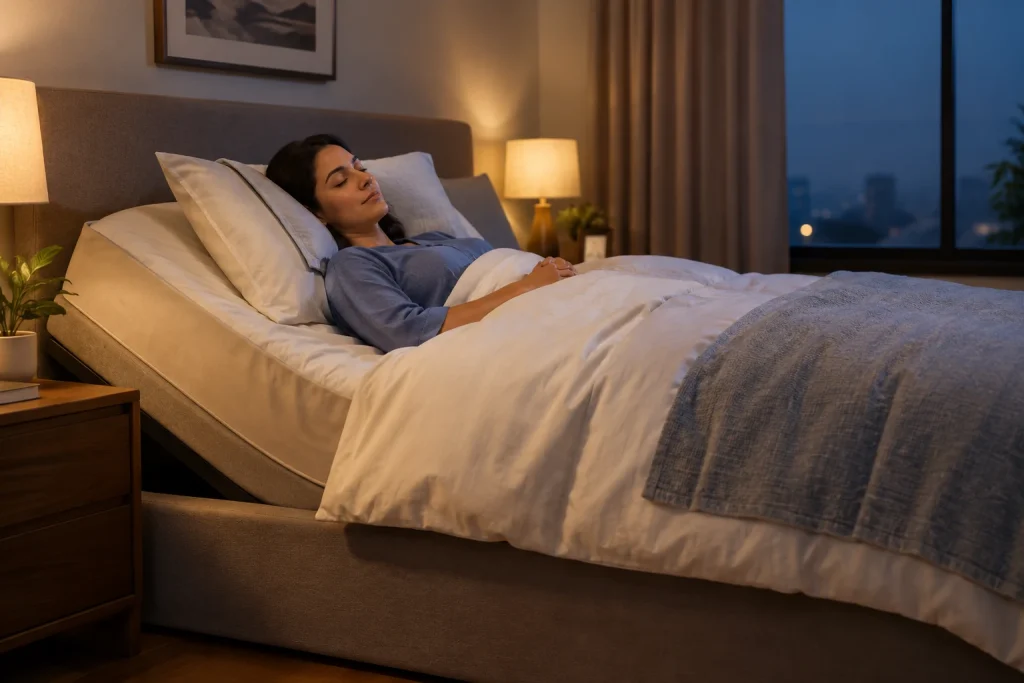
Snoring and sleep apnea are two of the most common reasons people search for an adjustable bed to stop snoring, and the underlying logic makes sense: elevation opens the airway, and an open airway means less snoring. But how much does this actually help in practice, and where are the real limits? This guide gives […]
Best Adjustable Bed Positions for Nursing Mothers and Postpartum Recovery

For nursing mothers, a moderate upperbody elevation makes nighttime feeding far more comfortable by supporting the back and arms without needing a stack of pillows. For postpartum recovery especially after a Csection a gentle Zero Gravity or kneeelevated position reduces strain on healing abdominal muscles and improves circulation during a period when mobility is often […]
How Adjustable Beds Help Prevent and Manage Bed Sores (Pressure Ulcers)
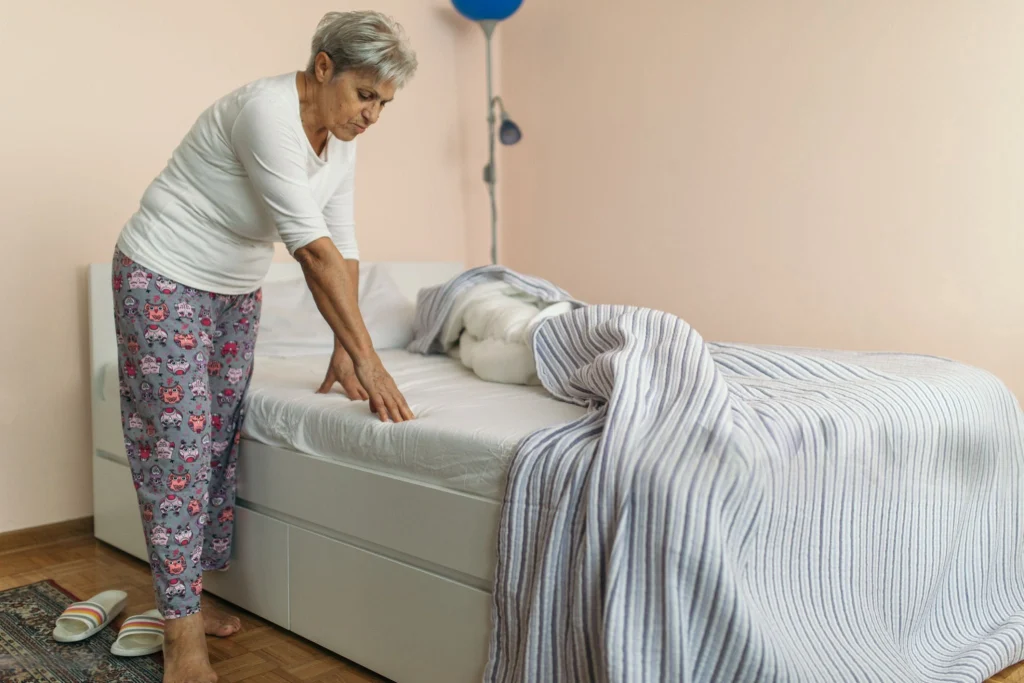
Adjustable beds help prevent bed sores by making regular position changes far easier and more frequent than a flat bed allows, redistributing pressure away from vulnerable areas like the tailbone, heels, and hips before skin damage can develop. For someone with limited mobility, an adjustable bed is one of the most practical tools for reducing […]
Recliner Bed vs Adjustable Bed: What’s the Difference and Which Do You Need?

In everyday use, a recliner bed and an adjustable bed refer to largely the same thing a bed frame that elevates the head and legs on demand. The real differences show up in design intent: a recliner bed is often marketed around comfort and lifestyle (reading, TV, relaxing), while an adjustable bed is typically positioned […]
Adjustable Beds for Desk Workers: Fighting Back Pain from Long Sitting Hours

Long hours of sitting compress the lower spine and tighten the hip flexors, both of which contribute directly to lower back pain and this strain doesn’t automatically reverse itself overnight on a flat mattress. An adjustable bed for back pain, used in a Zero Gravity or knee-elevated position, actively decompresses the spine while you sleep, […]