
Designed to Relieve Back
Pressure with Better Back Support
An adjustable bed helps you find a more comfortable sleeping position by reducing pressure on your back and supporting better spinal alignment.
Manufacturer Since 2003
20+ years of expertiseTrusted by Hospitals
Across IndiaPan India Delivery
Fast & reliable shipping500+ Facilities Trust Us
★★★★★ rated serviceGet in Touch

Why Does Back Pain Affect Sleep?
Back pain is one of the leading causes of poor sleep and reduced quality of life. It can develop due to poor posture, long working hours, aging, arthritis, sciatica, muscle strain, injuries, or other spinal conditions. Traditional flat beds often fail to support the natural curve of the spine. As pressure builds in the lower back, hips, and shoulders, many people experience stiffness, soreness, and interrupted sleep. Over time, sleeping on an unsupportive surface may contribute to ongoing discomfort and make recovery more difficult. If you're constantly searching for an Adjustable Bed For Back Pain your sleeping surface may be contributing to the problem.
Find the Right Adjustable
Bed for Back Pain Relief
Adjustable beds designed to reduce lower back pressure,
improve spinal
alignment, support healthier sleep
posture, and provide long-lasting comfort at
home.

Why Traditional Beds May Worsen Back Pain
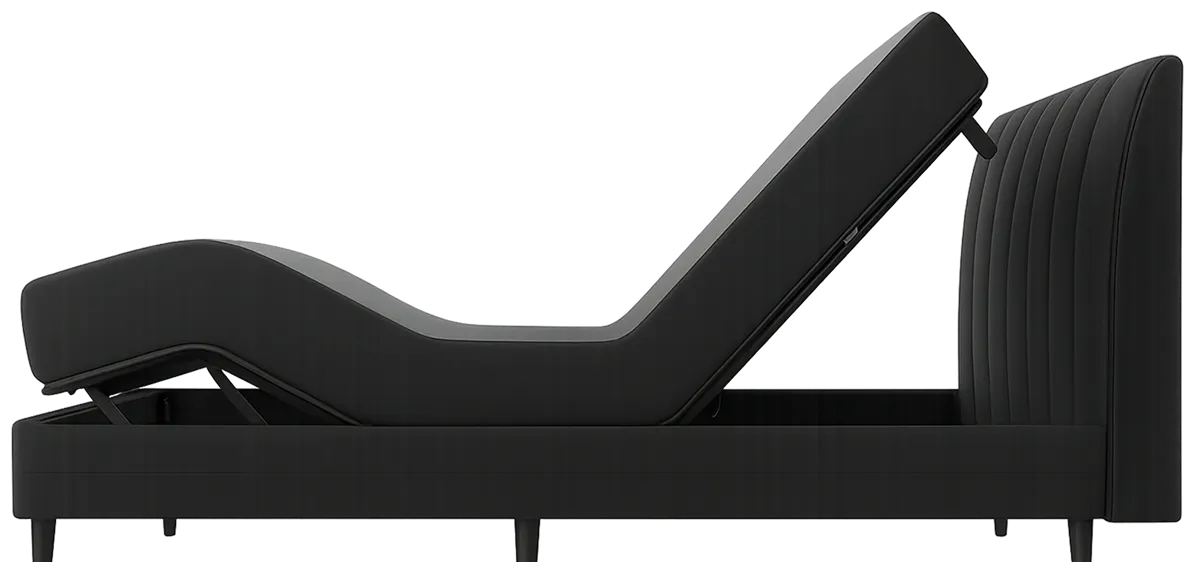
A conventional mattress keeps the body in a fixed flat position throughout the night. While this may work for some individuals, it often places unnecessary strain on the lower back and surrounding muscles.Unlike standard beds, adjustable beds allow users to customize their sleeping position, helping reduce pressure on the spine and improve overall comfort.
An Adjustable Bed Frame allows users to:
- Elevate the upper body
- Raise the legs independently
- Improve spinal alignment
- Reduce lower back pressure
This is why adjustable beds are increasingly recommended for individuals experiencing lower back pain and chronic discomfort.
Other Health Benefits of Adjustable Beds
Adjustable beds support more than just back pain relief. They help improve overall comfort, circulation, and sleep quality—making rest easier for people with various health concerns.








Products Designed for Comfort — With Extra Support for Back Pain
Every Zero-G adjustable bed is built to promote healthy sleep posture, reduce pressure on the spine, and provide natural back-pain relief through the Zero-Gravity position.All our models support this benefit equally well. However, the products below come with additional comfort features that can make the experience even better for people who deal with frequent back discomfort.




Adjustable Bed vs Normal Bed: Which Is Better for Back Pain?
A traditional bed offers limited flexibility and keeps the body in a single sleeping posture throughout the night. An adjustable bed provides customizable positioning that can help reduce pressure on the spine and improve comfort.
| Feature | Adjustable Bed | Traditional Bed |
|---|---|---|
| Head Elevation | Yes | No |
| Leg Elevation | Yes | No |
| Personalized Comfort | Yes | Limited |
| Pressure Relief | Advanced | Basic |
| Spinal Alignment Support | Enhanced | Limited |
| Zero Gravity Position | Yes | No |
Lifestyle Benefits of Adjustable Beds
Adjustable beds aren’t just for sleep—they support everyday activities too. Whether you're working, watching TV, or reading, you can easily elevate yourself into the most comfortable position.
.webp)
Working on
Laptop
.webp)
Watching
TV
.webp)
Reading
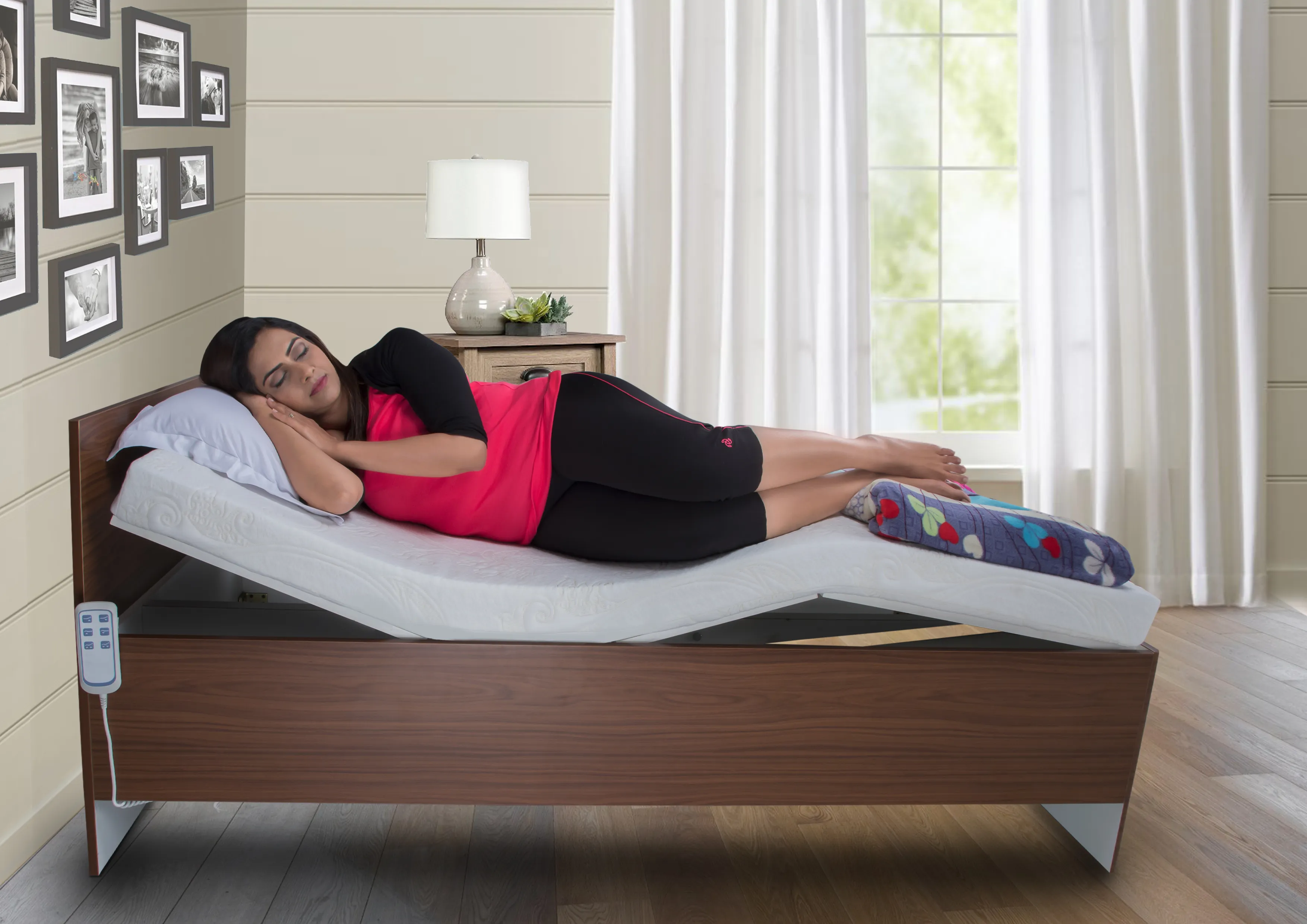
Perfect Adjustable Bed
for Side Sleepers & Everyday Comfort
Experience pressure-free sleeping positions, enhanced
body support, and
adjustable reclining comfort designed for
side sleepers and back pain relief.
Speak With Our Sleep Experts Today
Better Sleep Starts With Better Support
The quality of your sleep can directly impact how your body feels during the day. While no bed can treat medical conditions, proper sleeping posture and pressure relief can play an important role in improving comfort and reducing sleep-related discomfort. Adjustable beds allow users to customize their sleeping position based on their individual comfort needs, helping create a more supportive and relaxing sleep environment.
Get personalized guidance in choosing the right adjustable bed for your needs.