
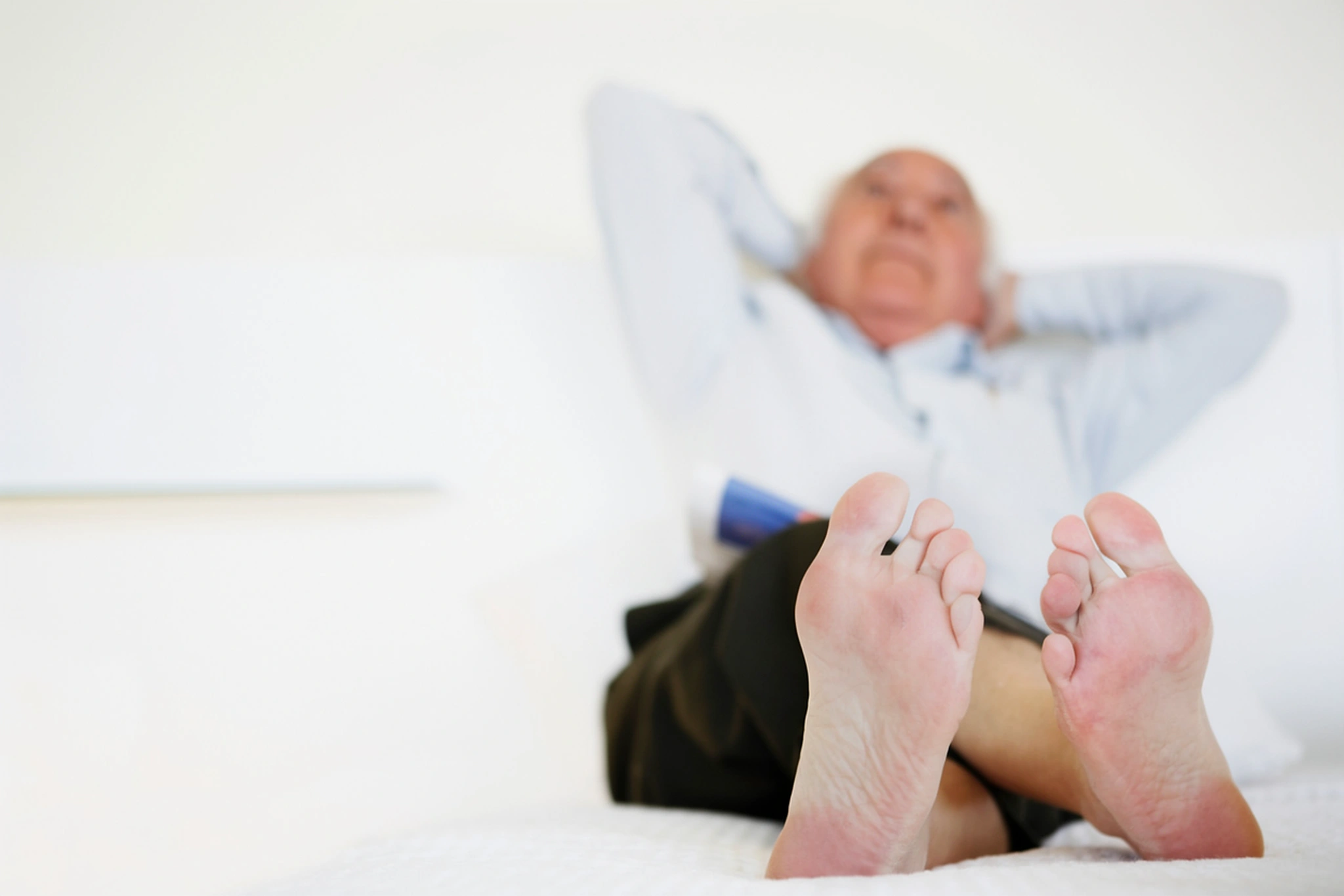
For diabetic patients, an adjustable bed helps most through leg elevation, which supports circulation and reduces foot and ankle swelling both particularly relevant given diabetes’ impact on blood flow and wound healing. Regular repositioning also lowers pressure-related wound risk, which matters more for diabetic patients since reduced sensation from neuropathy can delay noticing early skin damage.
Diabetes affects far more than blood sugar it commonly impacts circulation, nerve sensation in the feet and legs (diabetic neuropathy), and the body’s ability to heal minor wounds efficiently. Each of these factors intersects directly with how someone sleeps, making an adjustable bed for diabetic patients a genuinely relevant consideration rather than a generic wellness upgrade.
How Diabetes Affects Sleep-Related Health Needs
Diabetic neuropathy reduces sensation, most commonly in the feet, which means minor pressure points or early skin damage can go unnoticed far longer than they would for someone with normal sensation a genuine concern for wound risk. Diabetes also frequently affects circulation, particularly in the lower extremities, contributing to swelling and slower healing if skin damage does occur. Together, these factors make positioning choices during the many hours spent in bed each night more clinically relevant for diabetic patients than for the general population.
How Leg Elevation Helps Specifically
Elevating the legs above heart level the core mechanism behind the Zero Gravity position supports venous return and can meaningfully reduce the swelling that many diabetic patients experience in the feet and ankles, particularly after a day of reduced mobility or extended sitting. Better circulation from consistent leg elevation also supports the body’s general capacity for tissue health, which is relevant given diabetes’ broader impact on healing. For more on the underlying mechanism, see our detailed article on how adjustable beds improve blood circulation during sleep.
Reducing Pressure-Related Wound Risk
Because diabetic neuropathy can mask the early warning signs of pressure damage the discomfort that would normally prompt someone to shift position regular, easy repositioning becomes especially important as a proactive measure rather than a response to noticed discomfort. An adjustable bed makes this significantly more practical, since a caregiver or the patient themselves can change pressure distribution with the push of a button rather than a full manual repositioning effort. This overlaps closely with general bed sore prevention principles, which we cover in more depth in how adjustable beds help prevent and manage bed sores a highly relevant companion read given the overlapping risk factors.
A Practical Positioning Framework for Diabetic Patients
| Concern | Recommended Positioning Approach | Why It Helps |
| Foot and ankle swelling | Regular leg elevation above heart level | Supports venous return, reduces fluid buildup |
| Reduced foot sensation (neuropathy) | Scheduled repositioning, not just as-needed | Prevents unnoticed pressure buildup on numb areas |
| Slow-healing skin concerns | Gentle, consistent elevation; avoid prolonged single-position pressure | Supports circulation relevant to tissue healing capacity |
| General comfort and mobility | Height-adjustable base for easier transfers | Reduces strain during getting in and out of bed |
Daily Foot Care Habits That Complement an Adjustable Bed
- Daily foot checks, ideally visual since reduced sensation from neuropathy means pain alone can’t be relied on to flag problems early.
- Keeping feet clean and dry, since diabetes can increase susceptibility to skin infections that start small but progress if unaddressed.
- Well-fitted, protective footwear during the day, since foot injury prevention matters as much during waking hours as bed positioning does at night.
- Regular check-ins with a podiatrist or diabetes care team, particularly if any numbness, wounds, or circulation concerns are already present.
Choosing the Right Adjustable Bed Features for Diabetic Care
For diabetic patients specifically, a few features matter more than general marketing extras: independent leg elevation for targeted circulation support, gentle and smooth motor movement to avoid jarring vulnerable skin during repositioning, and a mattress that distributes pressure evenly rather than creating concentrated points, particularly relevant given the wound-risk factors discussed above. Our Bed for Patients range and dedicated Adjustable Bed for Blood Circulation page are built with these priorities in mind.
How Blood Sugar Control and Sleep Positioning Connect
It’s worth noting a broader connection that’s easy to overlook: poor sleep quality itself can make blood sugar management more difficult, since disrupted or uncomfortable sleep is linked to changes in insulin sensitivity and appetite-regulating hormones. This means the comfort benefits of an adjustable bed easier breathing through mild upper-body elevation, reduced discomfort from swelling, fewer nighttime position-related wake-ups may offer a modest indirect benefit to overall diabetes management by supporting more consistent, higher-quality sleep, beyond the more direct circulation and wound-risk benefits already discussed. This shouldn’t be mistaken for a treatment, but it’s a reasonable additional consideration when thinking about the bigger picture of diabetes-friendly home care.
Setting Up a Realistic Repositioning Routine at Home
For families managing diabetic care at home, building leg elevation and repositioning into a simple, repeatable daily routine tends to work better than relying on remembering to do it inconsistently. Many caregivers find it helpful to pair leg elevation with an existing daily habit for example, elevating the legs for twenty to thirty minutes during a regular evening routine before sleep, rather than treating it as a separate task that’s easy to forget on busier days. Consistency matters more than intensity here; a modest, reliably maintained routine generally outperforms an ambitious plan that gets skipped several nights a week.
For diabetic patients, an adjustable bed addresses several genuinely relevant needs at once circulation support, easier and more frequent repositioning, and reduced pressure-related wound risk that go beyond general comfort. Paired with good daily foot care and regular medical check-ins, it’s a practical, evidence-aligned addition to diabetes management at home.
Explore our Adjustable Bed for Blood Circulation page or Bed for Patients range for options suited to these needs.
Related Reading: