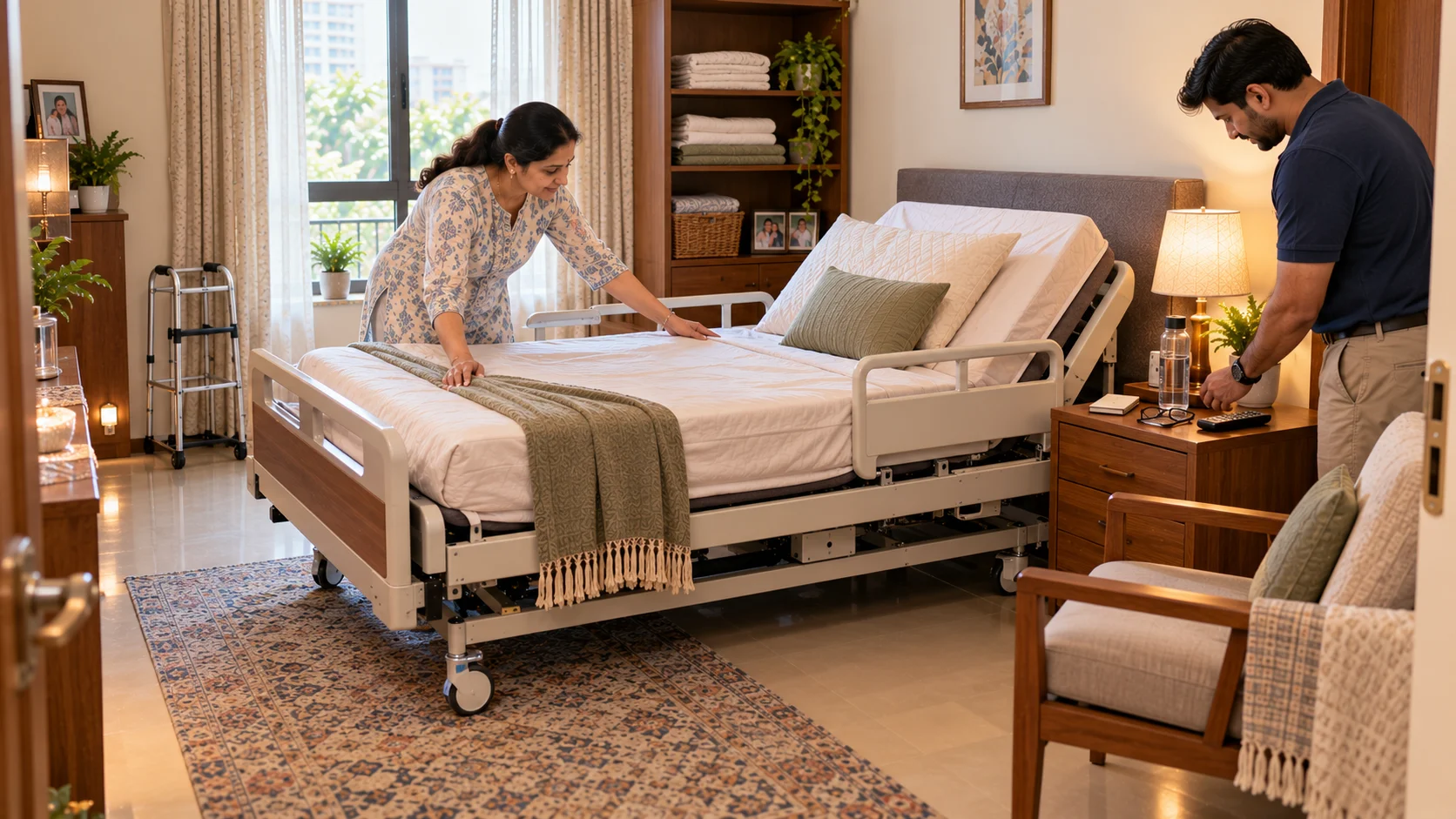
Side sleeping is a familiar position for many people, but finding a comfortable setup can become more complicated when you use an adjustable bed. Raising the head or legs changes the angle of the sleeping surface, and the mattress has to move with the base. The most suitable setting depends on the person, the mattress and the reason they are considering an adjustable bed.
Zero-G Beds’ adjustable-bed information describes independent adjustment of the upper and lower sections on relevant configurations. That gives users options to explore, but it does not mean one position is automatically best for every side sleeper. The practical goal is to understand what can be adjusted, test small changes comfortably and avoid treating a bed setting as a medical treatment.
1. Start With the Reason You Want an Adjustable Bed
Before changing positions, identify what you hope to improve. You may want a more comfortable way to read before sleeping, prefer a slightly elevated upper body, or simply want the flexibility to vary your resting position. Someone who has persistent pain or a diagnosed condition may have different requirements from a person who is choosing a bed for general comfort.
Write down what currently feels uncomfortable and when it occurs. Does the issue arise only when lying flat, when you first get into bed, or after remaining in one position for a while? Be specific, but do not try to diagnose the cause yourself.
If you are choosing an adjustable bed because of a medical condition, surgery or persistent symptoms, ask the appropriate healthcare professional whether any positions should be avoided. A product guide can explain adjustment features, but it cannot determine an individual treatment plan.
2. Check the Mattress Before Experimenting With Angles
The mattress is part of the adjustable system. A frame may move correctly, but the mattress still needs to flex appropriately and remain suitable for the chosen setup. If the mattress folds awkwardly, shifts noticeably or does not fit the platform, changing the angle may not solve the underlying issue.
Before choosing a setting, identify the mattress type, thickness, dimensions and condition. Check for existing sagging, worn areas or damage that could affect how it feels. If you intend to keep the current mattress, ask the supplier to confirm compatibility with the exact adjustable frame. Material alone is not enough to establish compatibility.
Zero-G Beds’ FAQ recommends latex and states that coir and spring mattresses may require sectioning. Do not modify a mattress yourself. Ask the team to clarify the appropriate arrangement for the mattress and configuration being considered.
3. Try Position Changes Gradually
Do not assume that the highest or most dramatic angle will be the most comfortable. If you are testing an adjustable bed, begin near the flat position and make a small change to one section at a time. Give yourself a moment to notice how the new angle feels before making another adjustment.
Begin with the upper section
If you want to see whether a slight incline feels more comfortable, adjust the head or backrest section gradually. Check that your head and neck feel supported and that you are not being pushed into a position that feels strained. A large elevation may not suit every side sleeper.
Test leg elevation separately
Some users may prefer to leave the upper body relatively low while testing a small change to the lower section. Notice whether your hips and knees remain comfortable and whether the mattress continues to support you evenly. If the new position creates pressure or feels unstable, return to a comfortable setting instead of trying to push through it.
Only then consider a combined position
If your adjustable bed supports combined head and leg movement, you can consider testing a gentle combined setting. Make changes slowly and treat each setting as a personal comfort check, not a prescribed angle.
4. Keep Your Side-Sleeping Alignment in Mind
When you lie on your side, comfort depends on how your head, shoulders, hips and legs are supported. An adjustable frame changes the angle of the base; it does not automatically ensure that every part of your body is aligned comfortably.
Notice whether the pillow supports your head without forcing the neck sharply upward or downward. Check that your shoulder and hip are not carrying uncomfortable pressure, and make sure the mattress is not creating a pronounced dip or ridge. These observations can help you describe what feels wrong when discussing a mattress or bed configuration with a supplier.
It is also possible for an adjustable position to feel comfortable briefly but less comfortable after you have remained in it. Try the setting for a reasonable period while you are awake and reassess it. Do not keep an angle that increases pain, tingling, numbness or other concerning symptoms.
5. Understand What an Adjustable Bed Can and Cannot Do
An adjustable bed can alter the shape of the support surface. It cannot identify the cause of pain, replace a suitable mattress, guarantee a particular sleep outcome or replace medical advice. Side sleepers should be cautious about claims that a single angle will correct posture, improve circulation or resolve a specific condition.
If back discomfort is part of your reason for considering an adjustable bed, you can review our information about adjustable bed positions for back pain, but treat it as product information rather than a diagnosis or a promise of relief. If you have been given specific positioning instructions, follow those instructions rather than experimenting with angles that conflict with them.
When comparing a bed, focus on the movements actually available on the model, the compatibility of the mattress and how easy it is to operate the controls. These are features you can verify, unlike a guaranteed health outcome.
6. What to Check Before Choosing a Model
Use these questions when reviewing an adjustable-bed configuration:
- Can the head and leg sections be adjusted independently?
- What range of movement is specified for the exact model?
- Does the existing mattress fit the frame and flex with its movement?
- Can the user reach and operate the control comfortably?
- Does the bed remain stable in the positions that the user intends to try?
- Are there medical or post-operative positioning instructions to consider?
- What written warranty and support terms apply to the selected configuration?
Zero-G Beds’ adjustable bed frame range describes adjustable upper and lower sections. Confirm the exact features and mattress requirements for the product you are considering; do not assume all sizes and configurations are identical.
7. Make a Simple Position-Testing Record
If you are comparing settings, a short written record can be more useful than trying to remember which angle felt best. Record the setting in plain language, the amount of time you tried it and whether it felt comfortable or uncomfortable. You do not need to calculate an exact angle unless the product provides one and it is useful to your discussion.
Test only one change at a time where possible. For example, try a small head adjustment while leaving the legs flat. On another occasion, if appropriate, try a small leg adjustment. This makes it easier to notice which change affected comfort. If every adjustment is changed at once, it may be difficult to understand what helped and what did not.
Stop testing if a position causes worsening symptoms or feels unsafe. If you have persistent pain, new numbness or a condition affected by body position, discuss the issue with a healthcare professional before continuing to experiment.
For side sleepers, the useful question is not which adjustable-bed angle is universally best, but whether the frame and mattress let you find a position that feels comfortable and appropriate for your needs. Test adjustments gradually, pay attention to support and avoid any position that makes symptoms worse.
Explore the Zero-G Beds adjustable bed frame range and confirm the available movements and mattress requirements for the exact model before choosing it.