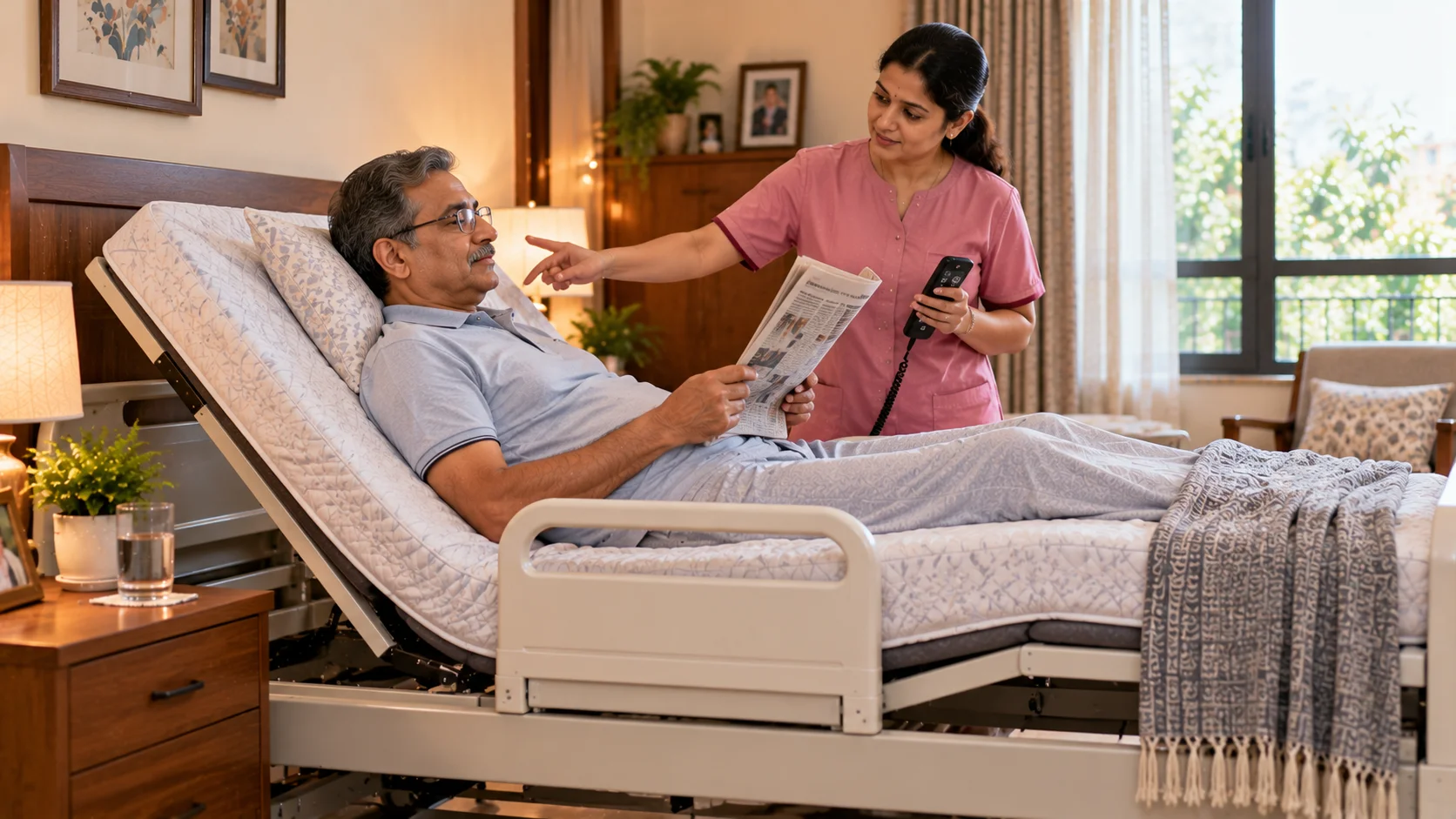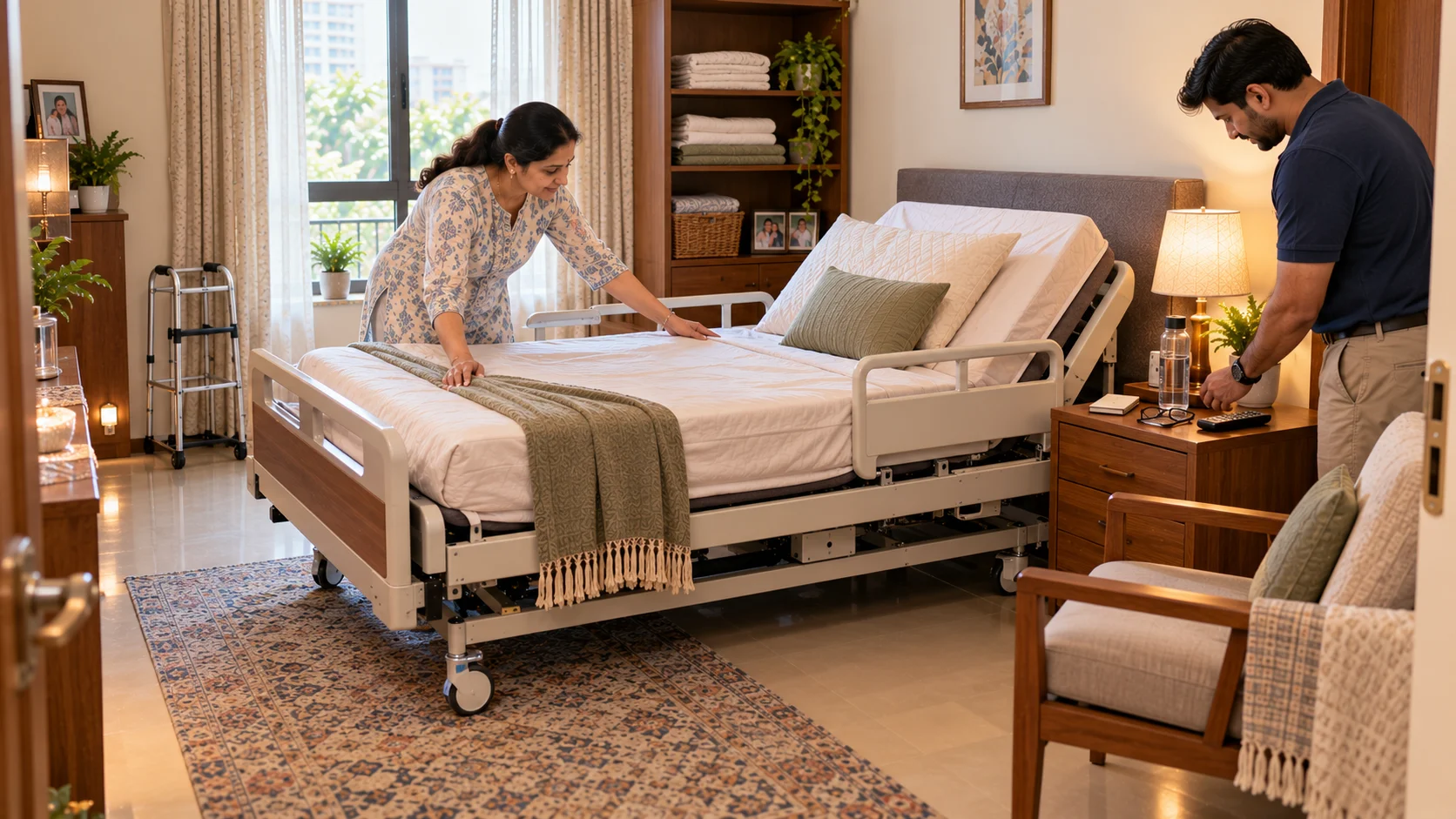
One common question about an adjustable bed is whether the zero-gravity position can be used through the night or whether it is intended only for short periods of relaxation. The answer depends on the bed’s available settings and the person using it. Zero-G Beds’ FAQ says its adjustable bed can be used overnight with the head and leg sections raised, but that statement should not be treated as a medical recommendation for every person.
A zero-gravity position is created by elevating the upper and lower sections together. It is one option within an adjustable bed’s range of positions, not an angle that every user must maintain all night. Comfort, mattress support and any personal medical instructions should guide how you use it.
1. What Is the Zero-Gravity Position on an Adjustable Bed?
On an adjustable bed, a zero-gravity position generally means raising the head and leg sections together to create a reclined posture. The exact angle and movement can vary by model, so the term should not be understood as one universal setting shared by every product.
Zero-G Beds describes a system where the upper and lower portions can be adjusted using a control, including a combined position on relevant configurations. The purpose from a user’s point of view is to provide another way to set the sleeping surface, alongside a flat position or a position with only one section raised.
The term “zero gravity” is a product-positioning label. It does not mean that gravity is removed from the body, and it should not be interpreted as proof that a position will treat a health condition.
2. Can the Position Be Used Overnight?
Zero-G Beds’ published FAQ says users can sleep all night with both head and leg sections adjusted. Whether that feels comfortable for you is a separate question. Some people may prefer a slight incline; others may prefer a flatter position or may change positions during the night.
Do not assume that the most elevated preset is automatically the best overnight setting. The position should feel comfortable, the mattress should fit the moving frame, and the controls should be accessible. If you find yourself sliding, feeling pressure in an unfamiliar area or waking because the position is uncomfortable, reassess the setting rather than forcing yourself to remain in it.
If a clinician has advised you to sleep in a specific position, or if you are recovering from surgery or managing a condition affected by body position, ask them whether the proposed setting is appropriate. A manufacturer’s statement about product functionality is not a substitute for individual medical advice.
3. Test Your Position Before Settling In for the Night
If you are new to an adjustable bed, try a position while you are awake first. This gives you a chance to understand the controls and notice how the mattress moves before relying on it overnight.
Start from a flat or familiar position
Settle into the bed as you normally would. Make sure the pillow and mattress feel supportive, and check that you are not resting on a raised seam, edge or uneven surface. If the mattress does not sit properly on the frame, address compatibility before you test different angles.
Raise the sections gradually
Use the remote to make a small adjustment to the upper section, then pause and notice how it feels. If appropriate for your situation, adjust the leg section slightly and reassess. If the bed offers a combined zero-gravity function, try it only after you understand how the individual sections move.
Check for sliding and pressure
Pay attention to whether you feel as though you are moving towards the foot of the bed, whether your knees or hips feel cramped, and whether your neck remains supported. You do not need to chase an exact angle. A position that feels stable and comfortable is more useful than a dramatic setting that does not suit you.
Learn how to return to a flatter position
Before sleeping, make sure you understand how to lower the sections and operate the controls from your usual resting position. Keep the remote where you can reach it without stretching across an awkward gap or leaning over a moving section.
4. The Mattress Still Matters
The mattress needs to work with the adjustable base. A mismatch may affect comfort in any position, including zero gravity. If the mattress is not designed or confirmed as suitable for the moving frame, it may resist bending, shift or sit unevenly when the platform changes shape.
Check the mattress dimensions, thickness and construction. If you plan to keep an existing mattress, ask the supplier to confirm compatibility with your exact configuration. Zero-G Beds’ FAQ recommends latex and notes that coir or spring mattresses may require sectioning. Do not cut or alter a mattress yourself; ask for model-specific advice before making changes.
If the mattress is already worn, sagging or uncomfortable when flat, raising the base is unlikely to resolve every problem. Mattress condition and the adjustment mechanism are separate factors to consider.
5. When Not to Assume Zero Gravity Is the Right Position
Even when a bed can reach a position, it does not follow that everyone should use it. People may have different needs, mobility restrictions or clinical instructions that affect which postures are suitable.
Check with a healthcare professional before making a position change if you have been told to avoid certain angles, are recovering from a procedure, or have a condition for which posture is part of your care plan. Seek professional advice if a new position causes worsening pain, dizziness, breathing difficulty, numbness or another concerning symptom.
Do not use an adjustable position as a replacement for prescribed care. The bed provides mechanical positioning options; it does not diagnose the cause of discomfort or determine which setting is medically suitable for a particular person.
6. Questions to Confirm About Your Zero-G Bed
Before relying on a zero-gravity position overnight, confirm the following for the exact product:
- Does the configuration support both head and leg adjustment together?
- Can the user also operate each section separately, if needed?
- Which mattress types and dimensions are compatible?
- Can the user reach the remote from their normal sleeping position?
- What are the stated load limits and operating instructions for this model?
- What should the user do if the bed stops moving or the controls do not respond?
- Are there any positioning instructions from a healthcare professional that need to be considered?
Zero-G Beds’ home-care adjustable bed page describes upper- and lower-section adjustment. Confirm the specific features of the product you are considering, rather than assuming every configuration has identical settings.
7. Comfortable Use Is More Important Than Staying in One Preset
An adjustable bed is designed to offer position choices. There is no need to treat a preset as a target that must be maintained for a whole night if it does not feel right. Some users may prefer a shallow incline; others may return to a flat position after relaxing or reading.
Give yourself time to learn the controls and choose a position that feels comfortable. If you share the bed or have a caregiver who helps with adjustments, make sure everyone understands how the controls work and what changes are appropriate for the intended user.
If your comfort changes over time, you can reassess the position rather than assuming you must keep the same setting. If the change is related to a medical concern, discuss it with a healthcare professional instead of continuing to experiment.
A zero-gravity position can be used overnight on supported Zero-G Beds configurations, according to the company’s FAQ, but the right choice depends on the individual. Start gradually, confirm mattress compatibility, learn the controls and follow any relevant clinical instructions.
To understand the movement options, review the Zero-G Beds home-care adjustable bed range and confirm the functions available on the exact model before choosing it.