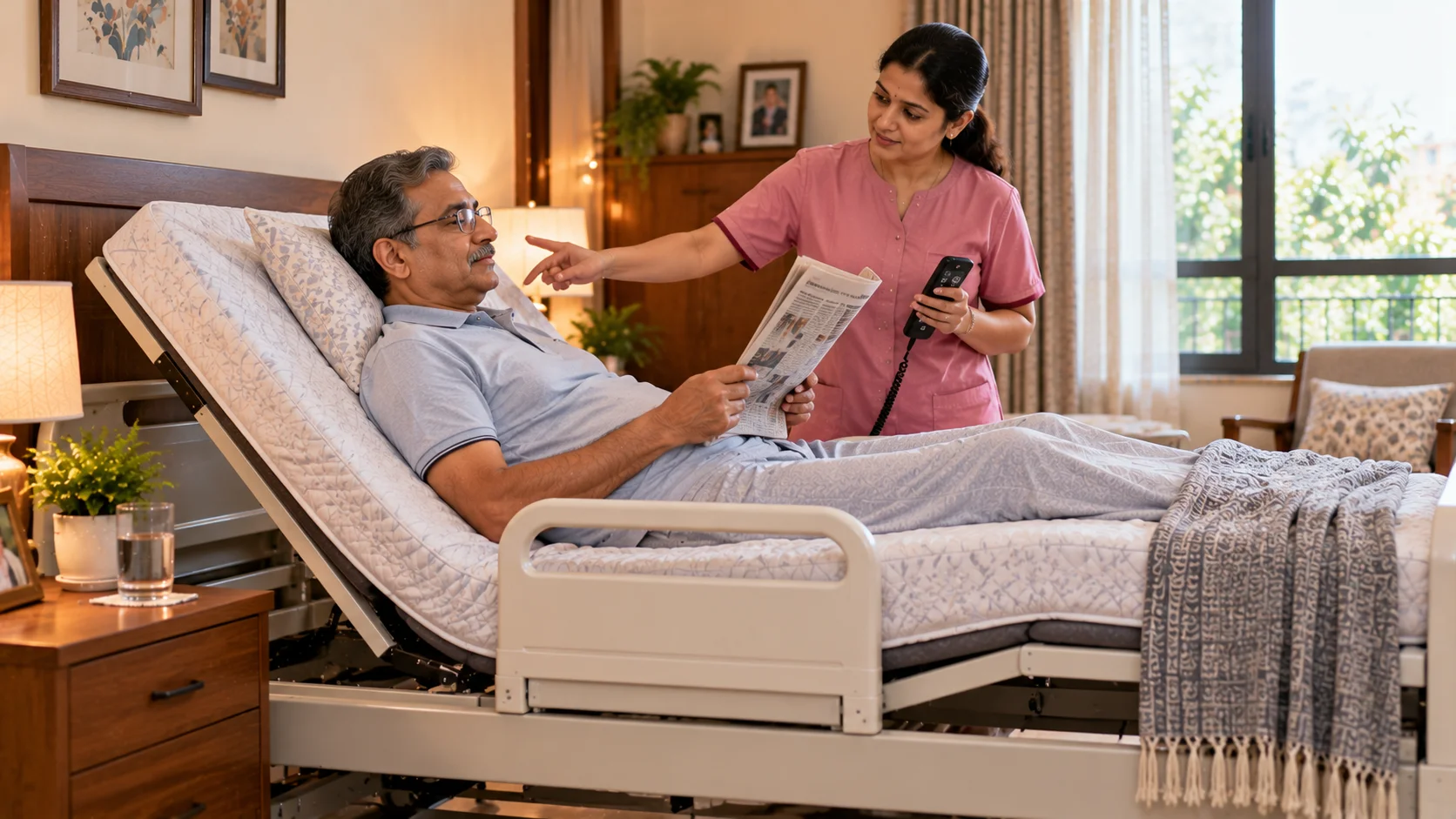
After a C-section or other abdominal surgery, a recliner bed lets you sit up with the motor doing the work instead of your stomach muscles. Raise the head section to about 30 to 45 degrees with a slight knee lift for rest, hug a pillow against the incision when you cough or stand, and always bring the bed to a seated position before you get out. Follow your surgeon’s rules on lifting and activity, and call early if you notice fever, wound changes or calf pain.
The first week after abdominal surgery is often harder than people expect. Everyday movements such as sitting up, turning in bed or coughing pull directly on the incision, and a flat mattress asks the stomach muscles to do exactly the work they cannot manage yet. This is where a recliner bed after C-section or abdominal surgery earns its place.
Why Getting Up Hurts So Much
Sitting up from lying flat is a mini sit-up, and it loads the abdominal wall and the wound. Coughing, sneezing and laughing add sudden pressure on top. A bed that raises your upper body for you removes the first of these, and a few simple habits handle the rest.
Positions That Help
| Situation | Recliner Bed Setup | Why It Helps |
| Resting in the first days | Head section at about 30 to 45 degrees, slight knee lift | Takes tension off the abdominal wall and keeps you from sliding |
| Sleeping | Gentle incline with a pillow along the side you lie on | Reduces pulling on the incision when you shift |
| Feeding a baby after a C-section | Upright and supported, with a pillow across the lap | Keeps weight and pressure off the wound |
| Coughing or sneezing | Raised position and a firm pillow held over the incision | Supports the wound and reduces pain |
| Getting out of bed | Bring the bed to a seated position first | Avoids the strain of sitting up unaided |
How to Get Out of Bed With Less Strain
- Raise the head section until you are sitting comfortably, with the knees slightly lifted.
- Hold a pillow against the incision and keep it there as you move.
- Turn towards the edge and bring your legs over the side one at a time, using your arms to help.
- Pause with both feet on the floor for a minute, since dizziness is common after surgery. Our guide on slower transitions for dizziness explains why.
- Stand slowly and use a sturdy support or a helper for the first few days.
Cough and Sneeze Support
Hug a firm pillow or a rolled towel against the wound before you cough, sneeze or laugh, and press gently. This is often called splinting, and it reduces the pulling sensation. A raised upper body also makes it easier to clear your chest than lying flat.
Looking After Yourself and the Wound
- Follow your surgeon’s limits on lifting, driving and exercise, including what you may carry.
- Take pain medicine as prescribed, ideally before movement such as getting up, rather than waiting for severe pain.
- Walk short distances regularly, as advised, because movement helps circulation and recovery.
- Avoid straining during bowel movements and ask your doctor about stool softeners if needed.
- Check the wound daily for redness, swelling or discharge.
IMPORTANT NOTE
Call your doctor promptly for fever, a wound that is red, hot, leaking or opening, heavy bleeding, severe pain that medicine does not control, calf pain or swelling in one leg, or breathlessness and chest pain. These can signal infection or a blood clot and should not wait.
Feeding and Newborn Care After a C-Section
New mothers often find an upright, supported position the easiest for feeding, with pillows across the lap so the baby’s weight does not rest on the incision. A recliner bed lets you adjust the angle during the night without getting up. Our page on adjustable beds for nursing mothers has more on setting up comfortably.
How Long Will You Need This Setup?
Most people lean on raised positions for the first few weeks and gradually need them less as strength returns. Your surgeon will tell you when you can lie flat and return to normal routines. Until then, a recliner bed that holds comfortable angles takes a lot of effort out of the day. If you are also planning to share your recovery space with a helper, our guide on recliner beds after knee or hip replacement covers similar transfer habits.
Set Up Your Recovery Space Before Surgery
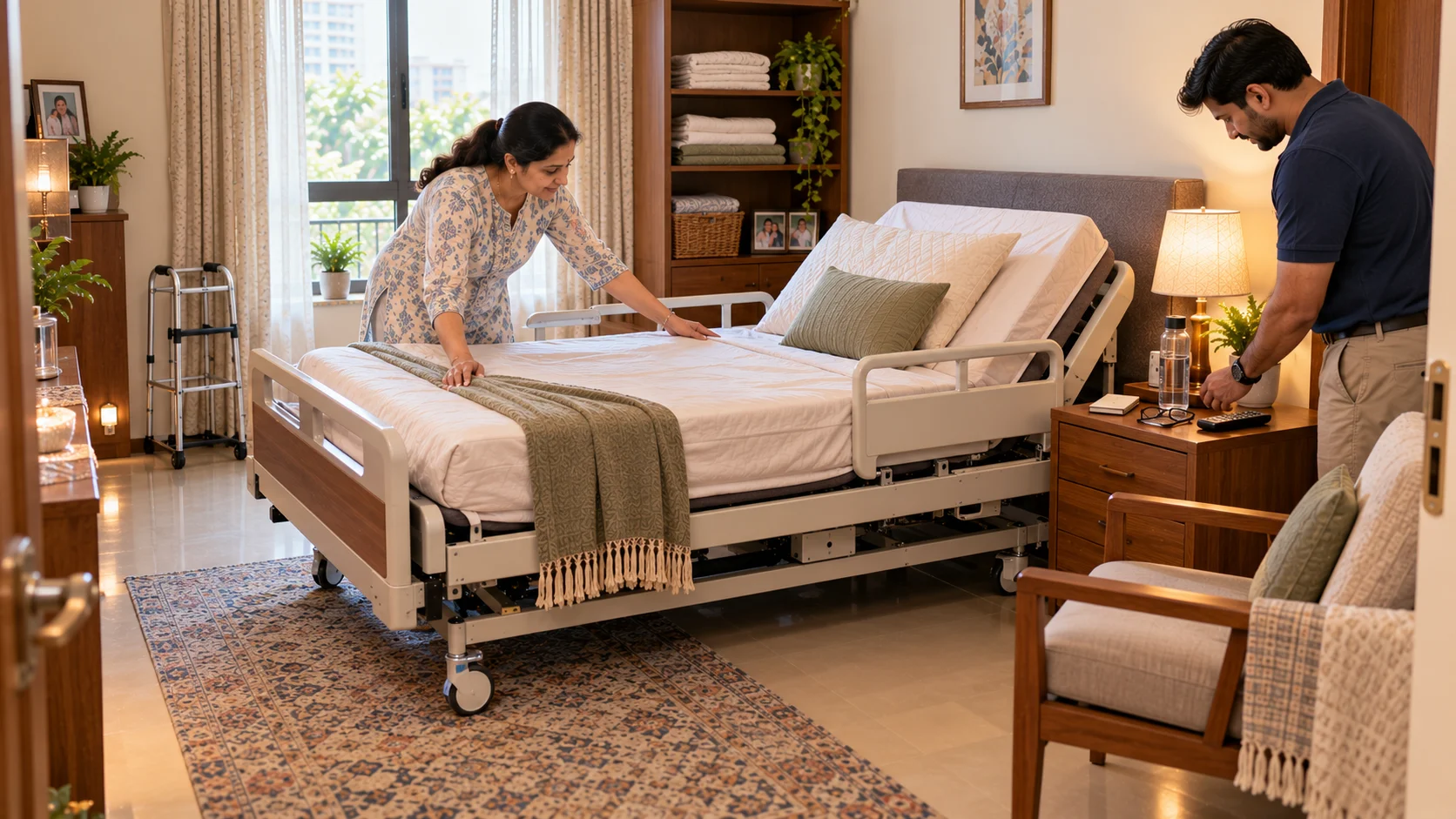
A little preparation makes the first days easier. If you know the date of the operation, arrange the bedroom while you still have the energy.
- Place the remote, phone and a water bottle within easy reach of the bed.
- Keep a few firm pillows ready for splinting and positioning.
- Clear the path from the bed to the bathroom and add a night light.
- Set the bed height so both feet rest flat on the floor when you sit on the edge.
- Keep essentials at waist height, such as medicines, tissues and baby supplies, so you do not bend or stretch.
Accept Help and Rest Between Tasks
Recovery goes faster when you rest properly. Let a partner or family member handle lifting, household chores and night-time tasks where possible, and rest when the baby sleeps. A recliner bed makes resting more comfortable, but it cannot replace help with lifting. Ask your doctor or nurse about movement and driving limits, and do not push through pain to prove you are fine.
Recovery from abdominal surgery depends on protecting the wound while keeping moving. A recliner bed does part of that job by lifting you for you, so your energy goes into healing. Pair it with pillow support, slow transitions and your surgeon’s guidance, and the early weeks become noticeably more manageable.
Explore our Recliner Beds range or the Bed for Patients collection.
Related Reading