
Adjustable Beds for Stroke and Post-Stroke Recovery at Home: A Caregiver’s Positioning Guide
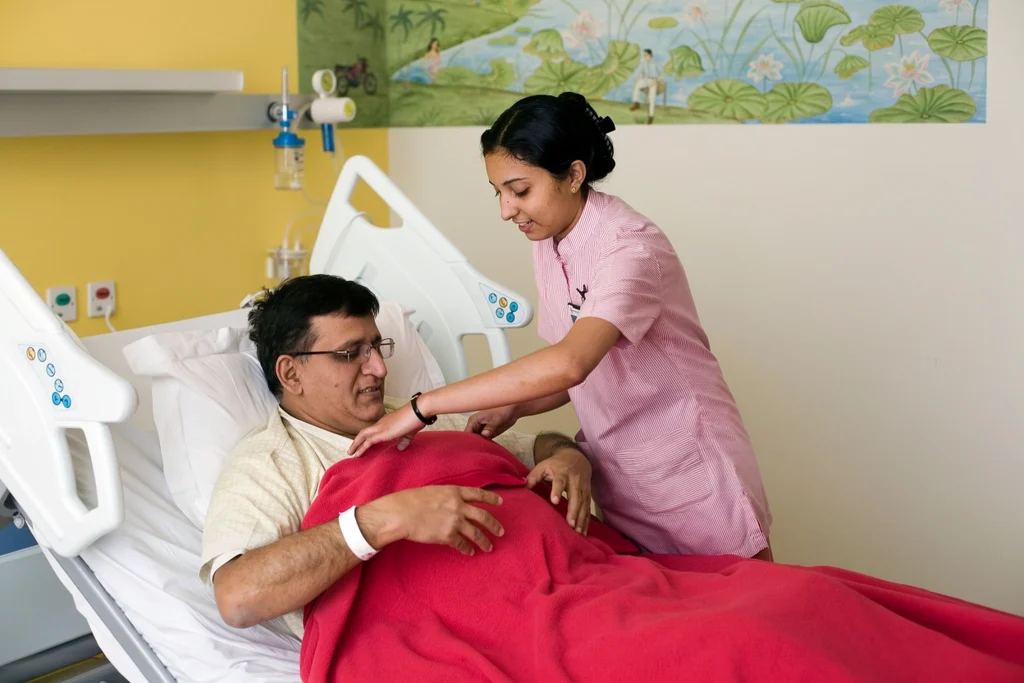
For stroke recovery at home, an adjustable bed helps primarily through easier, safer positioning changes for patients with reduced mobility on one side of the body, supported transfers via a height-adjustable base, and upright positioning that supports safer eating and swallowing. Always follow the specific guidance of the patient’s doctor, physiotherapist, or occupational therapist, since […]
Do Adjustable Beds Work During Power Cuts? Battery Backup, Manual Override and India Realities
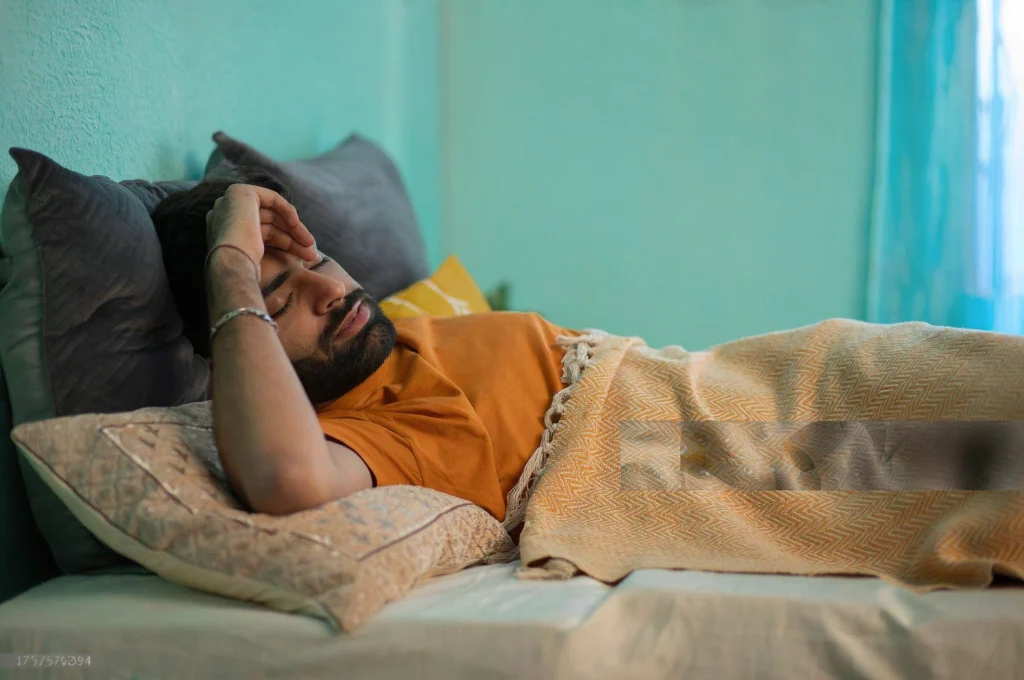
Most electric adjustable beds cannot move without power unless they specifically include a battery backup system or a manual hand-crank override features not every model includes by default. Given how common power interruptions still are in many parts of India, this is one of the most practical questions to ask before buying, especially for patients […]
Adjustable Beds for Diabetic Patients: Managing Neuropathy, Foot Swelling and Wound Risk
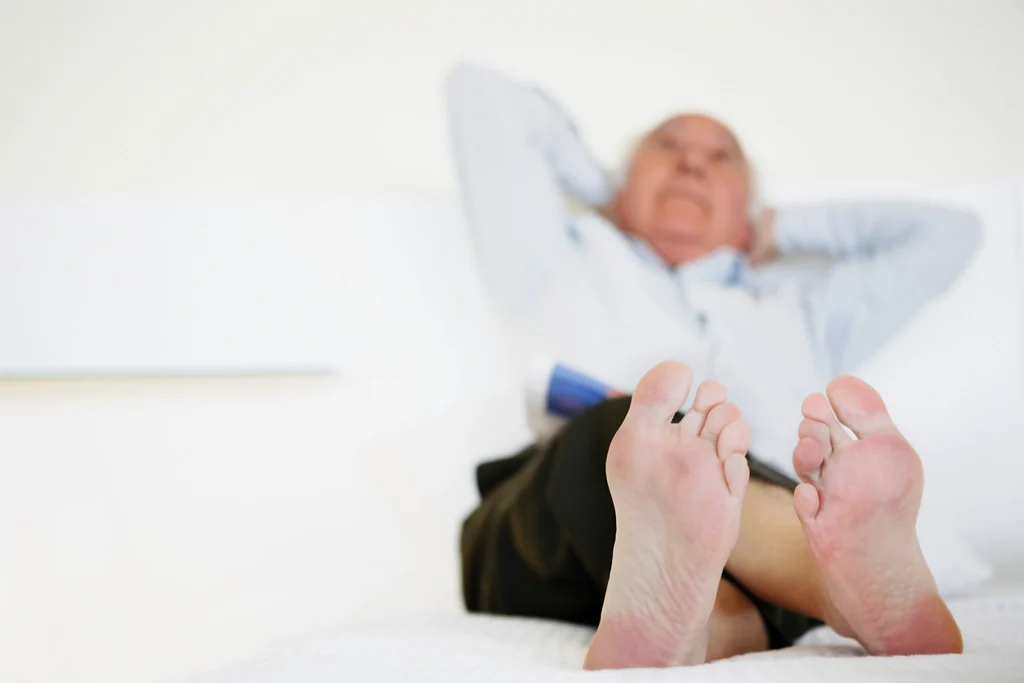
For diabetic patients, an adjustable bed helps most through leg elevation, which supports circulation and reduces foot and ankle swelling both particularly relevant given diabetes’ impact on blood flow and wound healing. Regular repositioning also lowers pressure-related wound risk, which matters more for diabetic patients since reduced sensation from neuropathy can delay noticing early skin […]
Are Adjustable Beds Safe for Overweight or Bariatric Users? A Weight Capacity Guide

Yes, adjustable beds are safe for overweight and bariatric users, provided the frame’s rated weight capacity, motor strength, and mattress are all matched to the user’s actual weight with reasonable margin. Standard adjustable bed frames typically support up to 150–175 kg, while dedicated bariatric models are built for higher capacities checking this specification carefully before […]
Adjustable Beds for Neck Pain and Cervical Spondylosis: The Right Elevation Angles

For neck pain and cervical spondylosis, a mild head elevation of roughly 10–20°, combined with a slim, contoured pillow that supports the natural curve of the neck, tends to help most. Steep inclines can actually push the chin toward the chest and worsen neck strain, so more elevation isn’t automatically better here the goal is […]