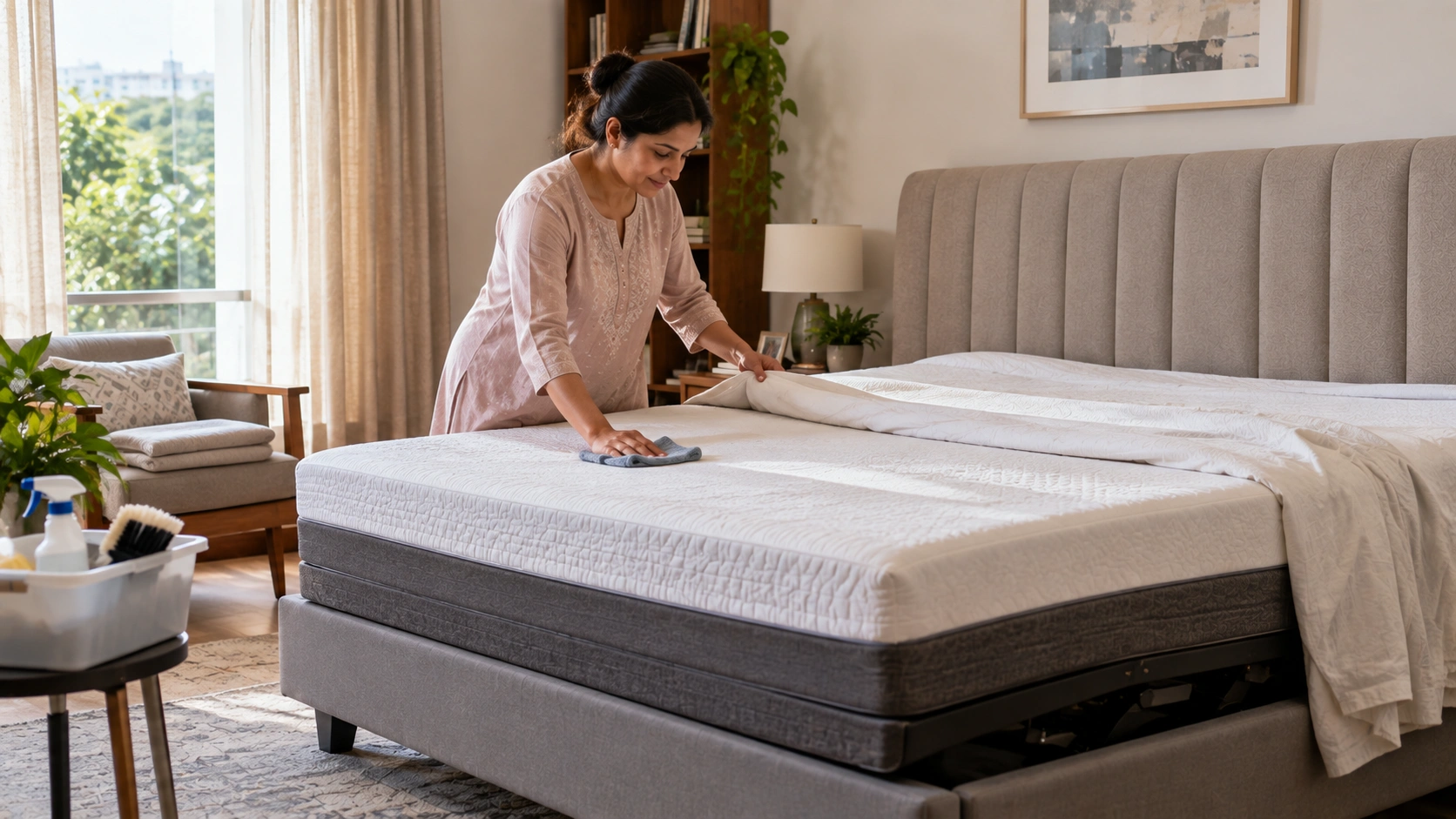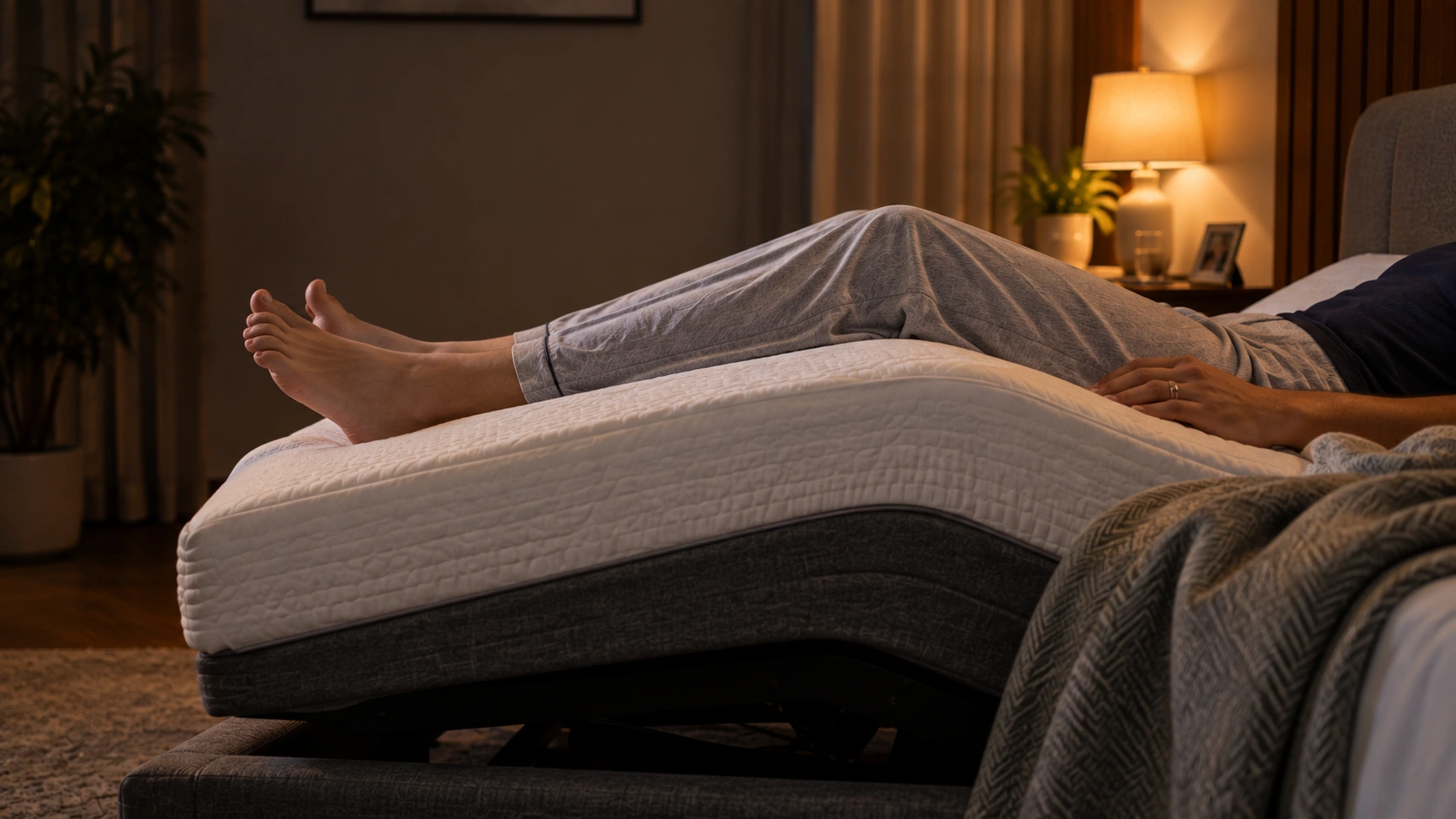
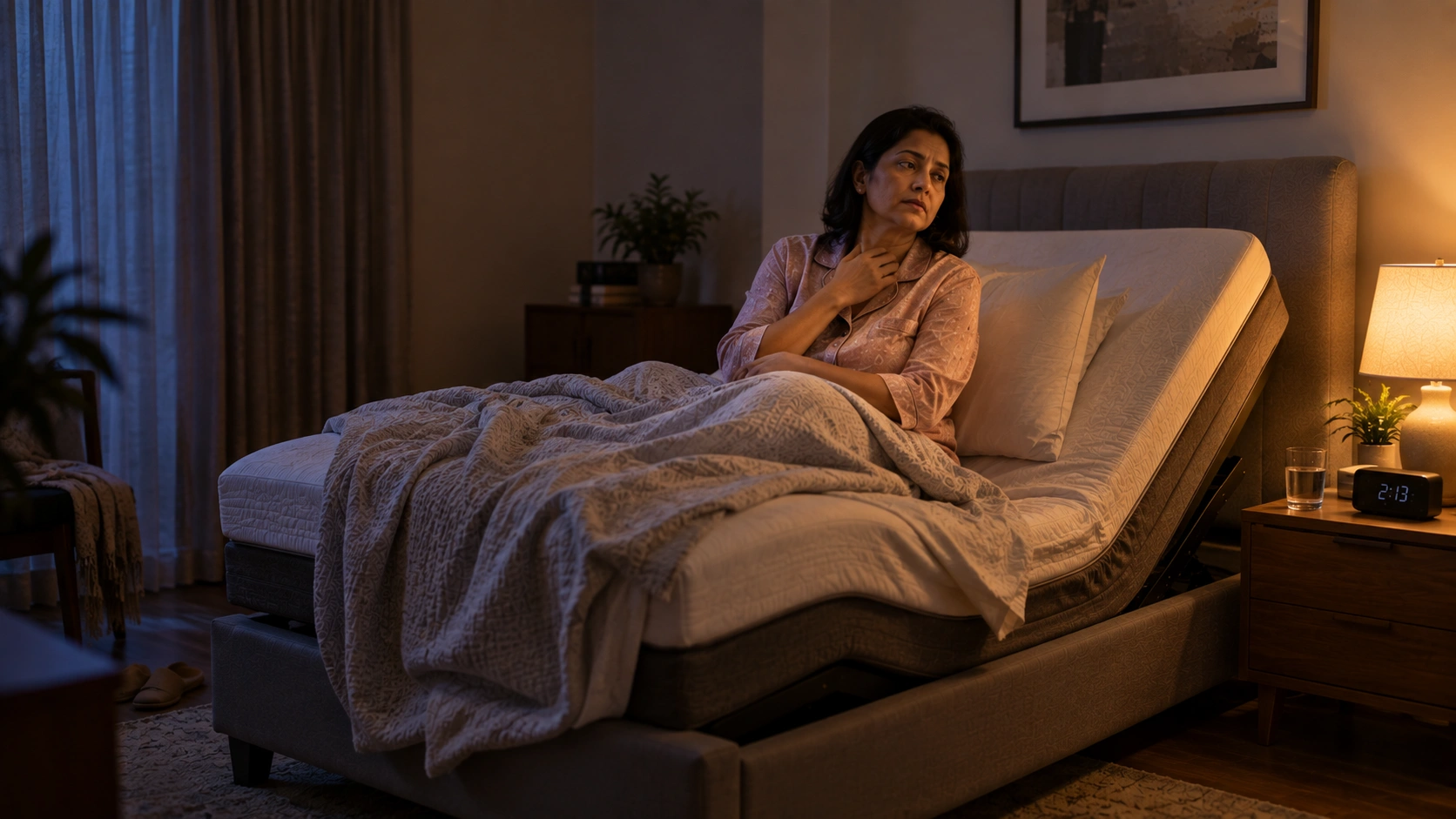
Adjustable beds don’t directly stop hot flashes or night sweats, since these are driven by hormonal changes during menopause, not sleeping position. However, elevation and positioning can meaningfully improve overall sleep quality during this stage easing associated joint aches, improving airflow around the body, and making it easier to quickly adjust position during a hot flash episode without fully waking a partner.
Menopause brings a cluster of sleep-disrupting symptoms hot flashes, night sweats, and often new or worsened joint and muscle aches that collectively make good sleep genuinely harder to come by during this life stage. While an adjustable bed isn’t a direct treatment for the hormonal changes driving these symptoms, it offers real, practical support for several of the downstream sleep problems that come with them.
What’s Actually Happening During Menopausal Sleep Disruption
Hot flashes and night sweats result from hormonal shifts affecting the body’s temperature regulation, causing sudden sensations of heat and sweating that frequently interrupt sleep multiple times a night. Alongside this, many women experience new joint stiffness, muscle aches, or worsening of pre-existing back pain during perimenopause and menopause, related to hormonal changes affecting connective tissue and inflammation. The combined effect is often significantly disrupted, fragmented sleep even for women who previously slept well without issue.
Where an Adjustable Bed Genuinely Helps
- Quick, quiet repositioning during a hot flash. Rather than fully sitting up or getting out of bed, a gentle position adjustment can help some women feel more comfortable during an episode without significantly disturbing a partner.
- Easing joint and back discomfort that often accompanies menopause. The same Zero Gravity and gentle elevation principles that help general back pain apply here see our guide on how to set up your adjustable bed for maximum lower back pain relief for the underlying setup.
- Improved airflow around the body. A slight upper-body elevation can improve airflow compared to lying fully flat and covered, which some women find helpful for managing overheating sensations during the night.
- Separate positioning from a partner. For couples where one partner experiences frequent night sweats and temperature swings, a dual-adjustable bed allows each person to find their own comfortable setup without compromise see our comparison in single vs double vs full-size adjustable beds for more on this option.
Cooling Strategies Worth Combining With Positioning
| Strategy | How It Helps | Works Well With Adjustable Bed |
| Breathable, moisture-wicking bedding | Reduces heat and moisture buildup during sweating episodes | Yes pair with adjustable-frame-compatible sheets |
| Cooling mattress materials (e.g. natural latex) | Some materials retain less heat than dense memory foam | Yes worth prioritizing over heat-retaining foam |
| Layered bedding for easy adjustment | Allows quick removal of a layer during a hot flash | Yes complements quick position changes |
| Bedroom temperature management (fan, AC) | Addresses the room environment directly | Independent of the bed, but works alongside it |
Mattress Material Matters More Than Usual During Menopause
For women managing frequent night sweats, mattress material choice deserves extra attention beyond general comfort preferences. Dense memory foam, while excellent for pressure relief and adjustable-frame compatibility, tends to retain more body heat than natural latex, which has a more open cell structure that generally sleeps cooler. Our Natural Latex Mattress range is worth considering specifically for this reason if overheating during sleep is a significant concern alongside your positioning needs.
This article offers general information only. Menopausal symptoms vary significantly between individuals, and persistent or severe symptoms including sleep disruption, hot flashes, or joint pain are worth discussing with a doctor, who can advise on the full range of management options available.
Setting Up Your Adjustable Bed for Menopausal Sleep Support
- Start with a gentle upper-body elevation for general comfort and improved airflow, similar to positions recommended for mild back pain.
- Pair with breathable, moisture-wicking, adjustable-frame-compatible bedding rather than heavier traditional sheets.
- Consider a natural latex mattress if overheating is a significant nightly concern.
- If sharing a bed, consider a dual-adjustable frame so temperature and position preferences don’t need to be compromised between partners.
- Keep the remote within easy reach for quick, minimal-disruption adjustments during a hot flash episode.
This Is Part of a Broader Picture
It’s worth being clear that an adjustable bed addresses the sleep-environment side of menopausal symptoms it doesn’t treat the underlying hormonal changes driving hot flashes and night sweats themselves. Many women find that a combination of approaches works best: environmental and positioning changes at home, alongside medical guidance for symptom management if hot flashes or sleep disruption are significantly affecting quality of life. A doctor can discuss the full range of options, from lifestyle adjustments to hormone therapy, based on individual symptoms and health history.
Sleep Quality Beyond Just Temperature
While hot flashes and night sweats get the most attention, it’s worth recognizing that menopause can affect sleep quality in other ways worth addressing alongside temperature management. Some women experience new or worsened insomnia during this transition, independent of temperature symptoms, along with changes in sleep architecture that can make rest feel less restorative even when total hours in bed remain the same. A comfortable, well-supported sleeping position the kind an adjustable bed helps establish supports general sleep quality across all of these overlapping factors, not just the heat-related ones, making it a reasonable piece of a broader approach to menopausal sleep health rather than a single-symptom fix.
Talking to Your Partner About Changing Needs
For couples navigating this together, open conversation about changing sleep needs tends to work better than either partner silently adjusting or, worse, one partner’s comfort being consistently deprioritized. If temperature differences, movement during hot flashes, or the need for a different mattress firmness are creating friction, raising it directly and exploring solutions together whether that’s a dual-adjustable frame, different bedding on each side, or simply more understanding about why sleep patterns have changed tends to prevent the kind of resentment that can build when one partner feels they’re quietly sacrificing their own sleep quality indefinitely.
Menopause brings genuine sleep challenges that an adjustable bed can meaningfully support, even though it isn’t a direct treatment for hot flashes or night sweats themselves. Thoughtful positioning, the right mattress material, and breathable bedding together create a sleep environment that works with your body during this transition rather than against it.
Explore our Natural Latex Mattress range or Adjustable Bed for Sleeping Disorder collection for options suited to this life stage.
Related Reading: