Not sure whether to choose an electric or manual hospital bed for home care? This blog helps you understand the key differences, features, and pricing factors to make the right decision.
Home care decisions often start with one important question—what type of hospital bed will best support the patient’s daily needs and recovery journey. This choice plays a key role in comfort, safety, and overall caregiving efficiency at home.
Today, many families compare different options before selecting a suitable solution for long-term use. This has increased awareness of modern home-care solutions, such as electric and manual beds. Online research and product comparisons have become a common part of the decision-making process.
The demand for home-care solutions has grown significantly in recent years. Many families now look for an electric bed for patients to improve comfort and the efficiency of daily care. This shift is driven by the need for better mobility support and easier patient handling at home.
Understanding the difference between the two options helps in making a better long-term decision. It also ensures that patients receive the appropriate support for their condition. A clear comparison helps families avoid incorrect choices and ensures better recovery outcomes.
Why Hospital Bed Type Matters in Patient Care
The type of hospital bed plays a key role in patient recovery and daily comfort. It also affects caregiver effort and overall care quality at home.
- Comfort & Recovery Support
Proper bed support helps reduce pressure on the body and improve resting posture during recovery.
- Caregiver Convenience
The right bed reduces physical strain on caregivers and makes daily assistance easier.
- Long-Term Usability
Different patients require varying levels of care depending on their health conditions and recovery duration.
A suitable bed improves both comfort and efficiency in home care. It also supports better recovery outcomes over time.
What Is a Manual Hospital Bed?
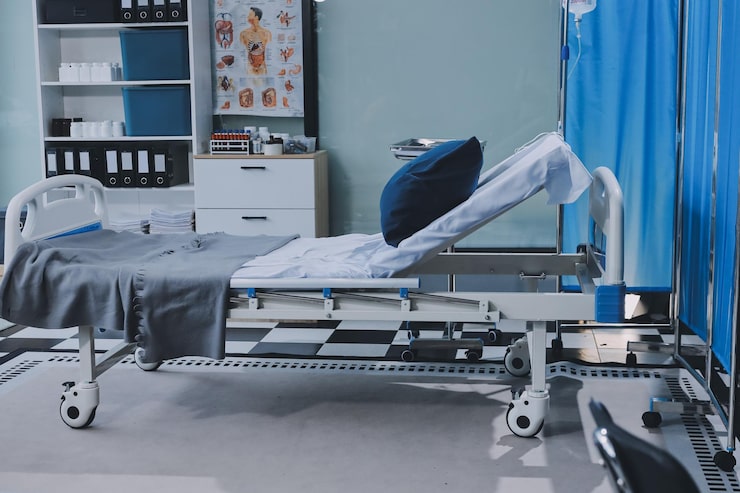
Manual hospital beds are simple care beds that require physical adjustment. They are commonly used for short-term recovery or basic patient needs. These beds are operated by hand cranks to adjust different sections. They do not require electricity, making them a basic and affordable solution.
Features of Manual Beds
- Hand-operated adjustments
- Basic positioning support
- Cost-effective option
Pros & Limitations
- Lower cost but higher physical effort
- Suitable for short-term or low-care needs
Manual beds are useful for basic recovery support where advanced features are not required. They remain a practical option for limited care requirements.
What Is an Electric Hospital Bed?
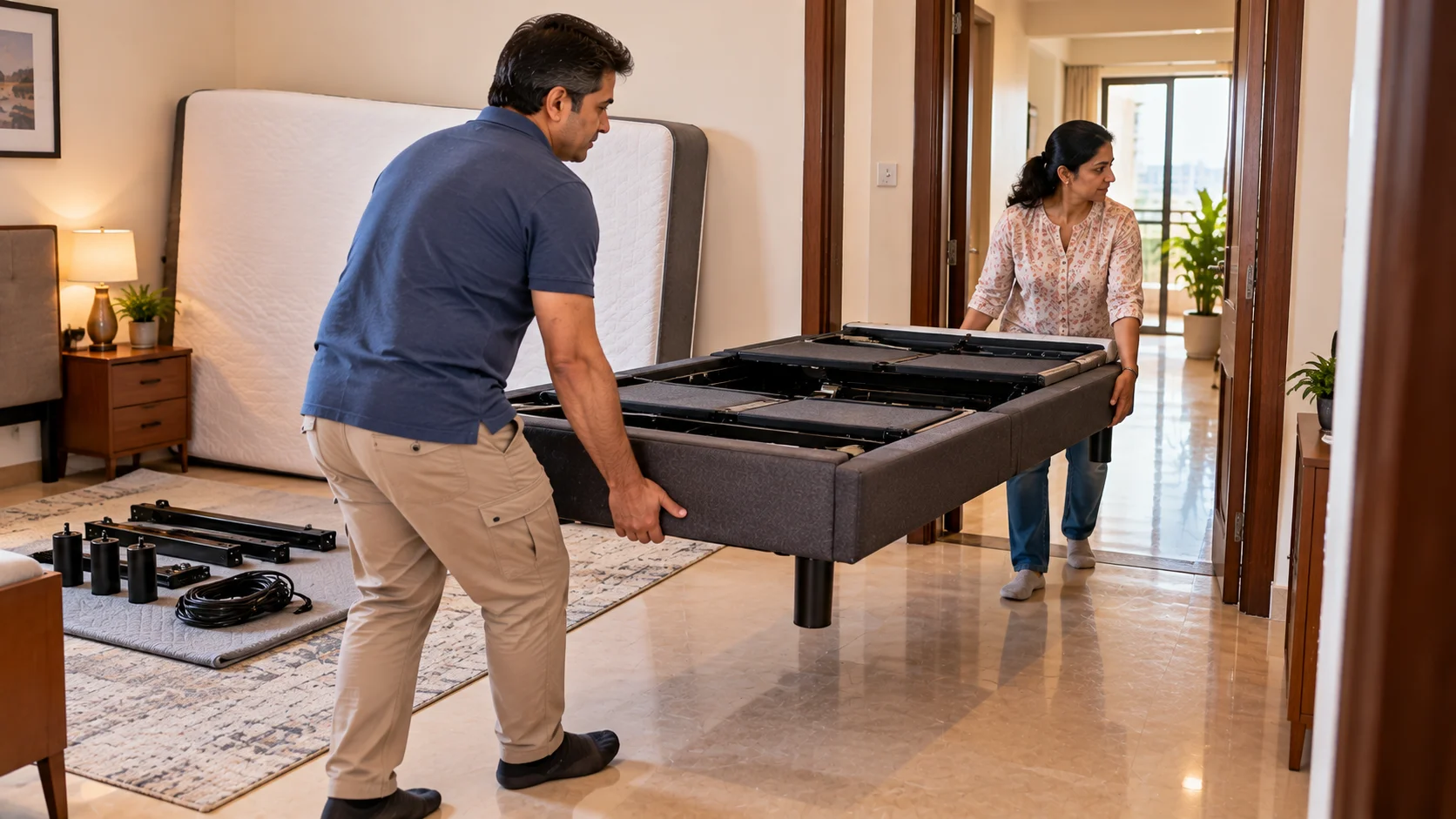
Electric hospital beds use motorised systems to adjust patient positioning easily, improving comfort and reducing caregiver effort. An electric bed for patients allows easy control through remote or button-based systems, making daily care more convenient.
These beds are designed to improve comfort while reducing the physical effort required in caregiving. They are widely used in modern home-care settings because they support both patients and caregivers effectively.
Features of Electric Beds
- Motorised adjustment system
- Remote-controlled positioning
- Enhanced comfort and mobility support
Why It’s Preferred
- Easier for caregivers
- Better for elderly and chronic patients
- Suitable for long-term home care needs
Electric beds are becoming a preferred choice because they offer better comfort, safety, and usability for patients at home. The electric hospital bed price varies depending on features, motor quality, and overall build design.
Electric vs Manual Hospital Beds: Key Differences
Understanding the difference between the two options helps in making the right choice. Each type serves a different purpose based on patient needs.
Comparison Table
| Feature | Manual Bed | Electric Bed |
| Adjustment method | Hand-operated | Motorized system |
| Comfort level | Basic | High |
| Caregiver effort | High | Low |
| Pricing difference | Lower | Higher |
| Usage suitability | Short-term care | Long-term care |
Electric beds prioritise convenience and comfort, while manual beds prioritise affordability. The choice depends on care requirements and budget planning.
Zero-G Beds, powered by D4 Surgicals India Pvt. Ltd., focuses on adjustable comfort systems designed for home-care support, recovery assistance, and long-term patient usability. The brand combines ergonomic innovation with practical home-care functionality to improve everyday comfort and caregiver convenience.
Which Bed Is Better for Different Patient Needs?
Different patients require different levels of care based on their health conditions. Choosing the right bed improves recovery and daily comfort.
- Elderly care → electric beds
- Temporary recovery → manual beds
- Chronic conditions → electric beds preferred
Many families often ask, “Which is the best adjustable bed for elderly people at home?” Electric beds are generally preferred for their ease of use and comfort.
Another common query is “How do adjustable beds improve sleep quality?” They help improve posture and reduce pressure during rest.
The right choice ensures better recovery support and long-term comfort. It also improves overall caregiving efficiency at home.
Pricing Comparison: Electric vs Manual Beds
Pricing is an important factor when selecting a hospital bed for home care. Families often compare different options to balance comfort, features, and budget. Guidance from electric bed manufacturers also helps in understanding which option suits specific care needs.
- Electric beds are generally higher in price due to motorised functions and advanced adjustment features.
- Manual beds are more affordable but come with limited positioning and basic support functions.
- Pricing also depends on quality, material strength, and overall design structure.
- Advanced models with better safety features and smooth controls usually fall in a higher price range.
Electric beds are preferred for long-term care due to better usability and comfort support. Manual beds are still suitable for short-term use or limited care requirements. Choosing the right option depends on patient condition and caregiving needs.
Benefits of Choosing Electric Hospital Beds
Electric beds are designed to improve overall patient comfort by offering better control, flexibility, and ease of use in daily care. They are widely preferred in home-care setups where long-term support and convenience are important. Many families also compare the electric bed for patients price to understand the value offered by these advanced systems.
- Better Posture Support
They help maintain correct body alignment and reduce pressure on the spine. This supports improved comfort during long hours of rest and recovery.
- Reduced Caregiver Effort
Remote-controlled adjustments make caregiving easier and less physically demanding. This helps reduce strain during routine patient handling.
- Improved Sleep and Recovery
Better positioning helps improve sleep quality and recovery outcomes. It also supports smoother breathing and reduced discomfort during rest.
- Long-Term Care Support
Ideal for patients who require continuous home-care assistance. These beds are especially useful for elderly care and chronic conditions.
Electric beds provide a more comfortable and efficient care experience, making them a strong choice for modern home care needs. They also offer better usability for both patients and caregivers in daily routines. The electric bed for patients price is often seen as a worthwhile investment considering the long-term benefits and improved care quality.
When Manual Beds Still Make Sense
Manual hospital beds remain a practical option in specific care situations where advanced features are not required. They are often chosen for short-term or basic home-care needs where simplicity is preferred.
- Budget constraints
Suitable for families looking for an affordable care solution without advanced mechanical features.
- Short-term medical needs
Ideal for temporary recovery cases where long-term adjustment functions are not necessary.
- Low dependency patients
Works well for patients who do not require frequent repositioning or intensive care support.
Manual beds continue to be a reliable choice for basic caregiving requirements. They offer essential support while keeping usage simple and cost-effective.
Better Care Starts with the Right Bed Selection
Choosing between electric and manual hospital beds depends on patient condition, recovery needs, and the level of daily assistance required. The right selection ensures better comfort, safety, and smoother caregiving at home. It also helps reduce long-term physical strain on caregivers during routine care.
Our focus at Zero-G Beds, powered by D4 Surgicals India Pvt. Ltd., is on delivering advanced home-care comfort solutions that improve patient support and make caregiving easier. The systems are designed to combine practical functionality with long-term reliability for everyday home-care use. They are developed keeping both patient comfort and ease of use in mind for better daily care experience.
To take the next step, explore our range and choose a hospital bed that matches your care needs, ensuring better comfort, safer recovery, and consistent support at home.