The transition from hospital-based treatment to home medical care is a key milestone in a patient’s rehabilitation journey. More Indian families are converting their sleeping areas into medical treatment spaces, which allow them to care for patients while keeping them nearby because their culture values family-centred healthcare. Delivering medical-level treatment on a typical flat sleeping surface is extremely challenging because it can create more medical problems than it solves.
With years of experience in home care and rehabilitation solutions, Zerogbeds has seen how the right medical bed can make a significant difference in both patient recovery and caregiver ease at home.
The adoption of a hospital bed for patients at home who receive home treatment serves to introduce hospital-level security features into their home environments, which enable patients to rest in their familiar surroundings. A standard bed design works well for users who need to maintain their mobility, yet poses difficulties for patients with restricted mobility who require the same bed.
When Should You Switch to a Medical Bed at Home?
The right timing to stop using traditional furniture allows people to stay healthy throughout their entire lives. The following list shows signs which indicate that you need to get a new item:
- Difficulty in Basic Movements: The patient has difficulty performing basic movements, which he requires for his daily activities. He needs help to sit up, eat and drink water. The situation creates difficulties for both him and those who provide support.
- Respiratory Distress: The patient may experience breathing difficulties due to conditions such as COPD or heart disease. The patient is unable to breathe comfortably because he cannot discover a position which allows him to breathe easily.
- Risk of Pressure Sores: Patients who remain in bed for more than 15 hours a day are at higher risk of developing pressure sores. Human beings require continuous movement because it enables blood circulation throughout their entire body, including the back and heel regions.
- Caregiver Back Pain: The family members who assist the patient in his movements experience back pain, making caregiving a difficult task to handle. This is a possible injury for the caregiver.
How Do Hydraulic and Automatic Beds Support Home Care?
When researching home care solutions, the choice often comes down to how the bed moves. Different mechanisms serve different levels of dependency and environmental needs.
- The Power of Hydraulic Systems
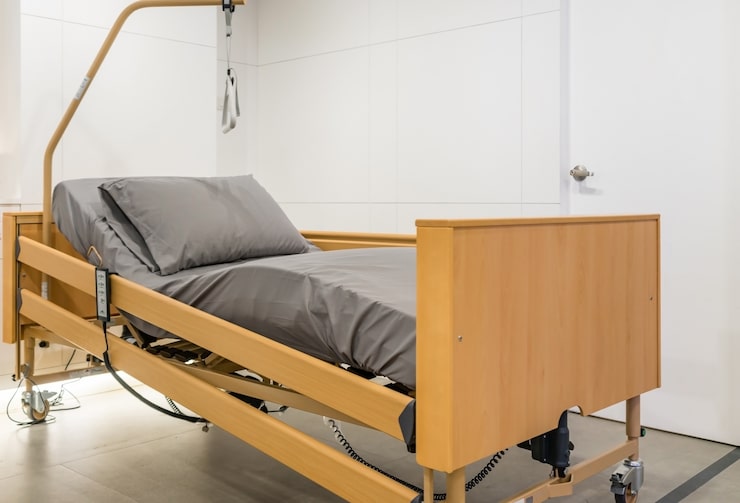
A hydraulic bed for patients is an excellent solution for environments where power stability might be an issue or for those who prefer a non-electric assist. These beds use fluid pressure, usually operated by a foot pump or a manual lever, to lift the heavy weight of the frame and the patient. This mechanism significantly reduces the manual labour required by the caregiver compared to old-fashioned hand cranks.
- The Ease of Automation
For those seeking the pinnacle of independence, an automatic patient bed remains the gold standard. It allows the patient to reclaim a sense of agency. Features typically include:
- One-Touch Positioning: The remote-control system enables users to move their body from a head position to a leg position through automated controls that require no assistance from another person.
- Silent Operation: The system operates at a low noise level, allowing users to change their sleeping position or use various bed functions without waking others.
- Height Adjustability: The bed system allows users to control its height by raising the bed from floor level to medical dressing height for safe exit.
Essential Benefits of a Specialised Home Bed
Choosing a dedicated home bed for patients offers more than just mechanical movement; it provides a comprehensive care ecosystem.
- Enhanced Safety Features
Standard home beds lack the safety infrastructure required for medical recovery. Professional home beds include built-in side rails, which protect patients from nighttime falls and their locking wheel system, which maintains bed stability when patients transfer to wheelchairs.
- Improved Digestive Health
The patients who have undergone surgery and the patients who are suffering from neurological disorders are suffering from acid reflux and silent aspiration when they are in bed, with the food consumed early. Medical beds allow patients to rest at adjustable angles such as 45° or 60°, improving digestion and reducing choking risks., which is helpful for their digestive system and helps prevent choking.
- Caregiver Ergonomics
Caring for patients requires full attention, but healthcare workers need equal protection for their health. The “Hi-Lo” bed system enables caregivers to elevate the bed to their optimal work position. The design enables healthcare workers to perform linen changes, wound dressing, and hygienic assistance tasks while maintaining proper spinal alignment, which protects their spinal health in the future.
- Promoting Dignity in Recovery
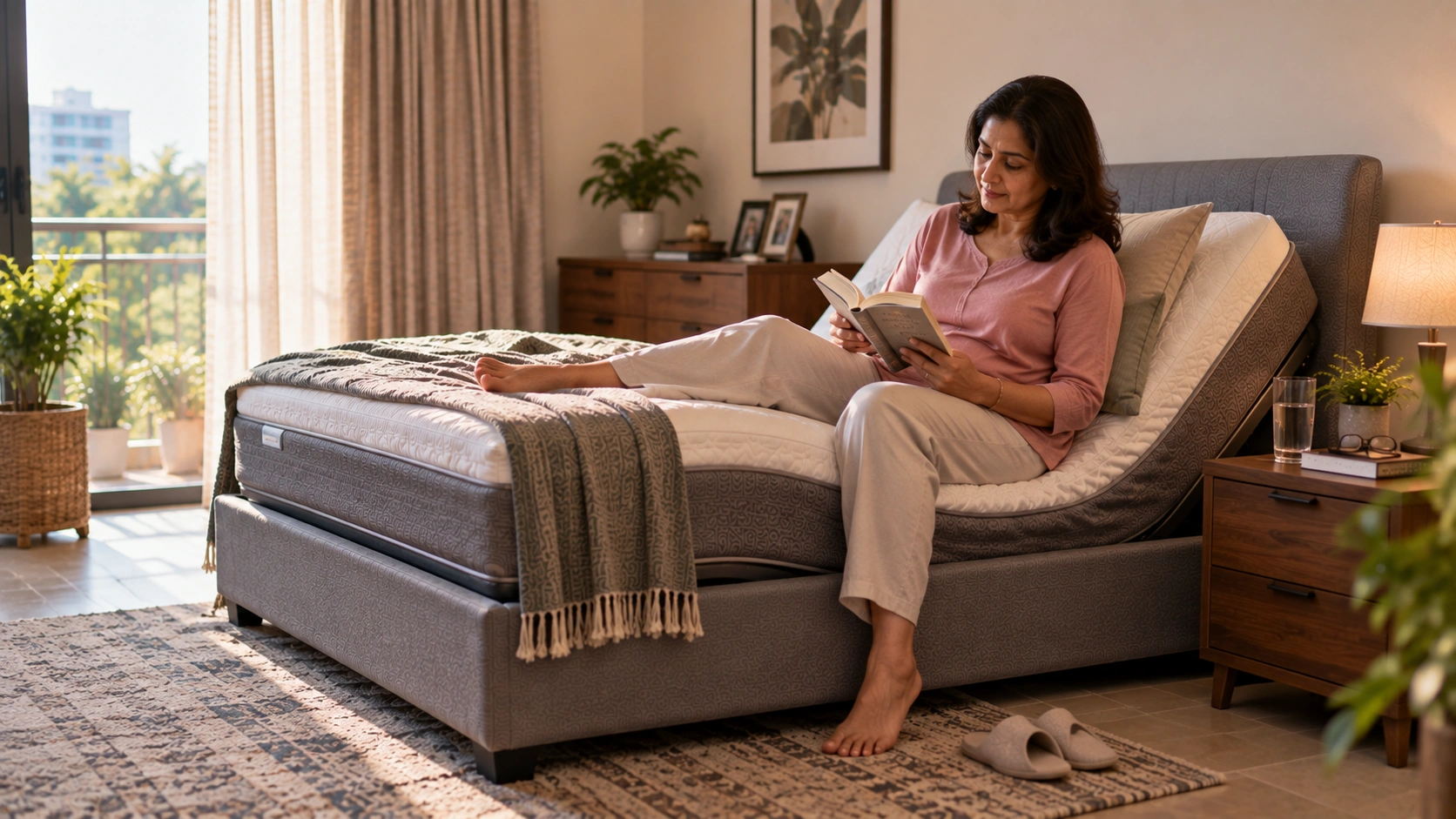
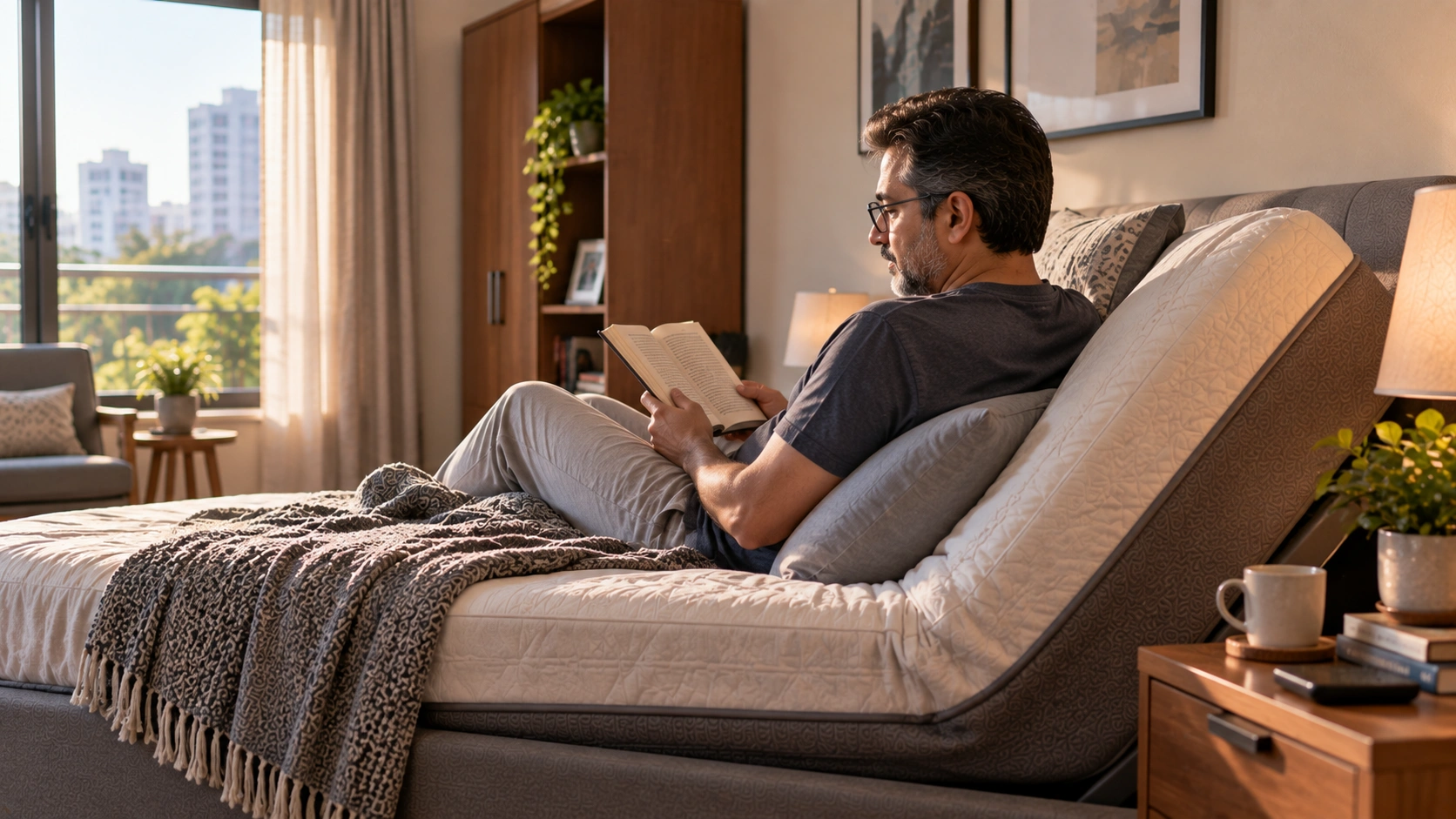
The specialised bed functions as a valuable investment that provides dignity to users. The patient can maintain comfortable seated access to reading materials, television shows and family interactions. The ability to change position provides users with psychological advantages that match the benefits of physical mobility. The patient regains control over their recovery by choosing their own movements, taking an active role rather than being treated as passive.
The combination of an appropriate hospital bed for patients at home provides a foundation for a secure, clean environment, enabling patients to recover with greater self-respect. The system provides a link between intensive care treatment in a hospital and a comfortable environment in a patient’s home.
Making Home Care Safer, Simpler, and More Supportive
The appropriate equipment is fundamental to delivering quality home care services, as it shields caregivers from burnout and ensures patient comfort. The medical field, for example, requires specialised beds, such as automatic patient beds, which offer essential ergonomic and safety features, allowing caregivers to deliver healing services rather than just pain relief.
At Zerogbeds, we design medical beds that combine safety, comfort, and ease of use for home environments. Our focus is to make recovery smoother for patients while reducing the physical strain on caregivers, so care at home feels both effective and manageable. Our mission is to develop technology that enables patients and caregivers to work together through silent, intuitive support systems. We guarantee our product quality, ensuring your recovery process proceeds without discomfort.