Stroke recovery often takes time, especially as patients adjust from hospital care to home-based rehabilitation. Choosing the right medical patient bed plays a major role in creating a safe and comfortable recovery environment at home. The design of a bed improves everyday caregiving activities while decreasing caregiver stress and providing a suitable environment for patients to recover from their injuries. The impacts of stroke on movement, balance and overall strength require that people create an appropriate home environment to support their journey toward independent living. A bed transforms into an essential healing device that enables people to rest while they recover from their medical condition.
Stroke survivors face difficulties when they attempt to sit up, change their body position or walk securely. Indian families who prefer home-based care require solutions which help their caregivers provide better assistance while creating comfortable environments. The patient bed was designed especially for patients who need to move between their fundamental patient activities of rolling, lifting and sitting and standing. The system enables patients to perform their essential physiotherapy exercises, which assist in fall prevention, pressure sore prevention, and protection.
At Zerogbeds, with years of experience in home-care solutions and rehabilitation support, we have seen how the right medical bed can significantly ease this transition for both patients and caregivers.
Why Does the Right Bed Matter in Stroke Recovery?
Medical doctors and physical therapists offer the required care for patients recovering from strokes. Stroke survivors need specialised support, which typical household beds do not provide. Patients have difficulty moving because soft surfaces cause them to sink into the material. The absence of railings raises fall hazards, while dangerous transfer conditions result from incorrect height.
A recovery-focused bed helps in three significant areas:
- Mobility Support
Patients are helped to move from their beds to wheelchairs. The bed should be set at a suitable height in order to support the patients as well as their attendants. Mobility helps patients conserve energy and aids them in moving around freely.
- Rehabilitation-Friendly Positioning
Physiotherapists recommend that patients be positioned in a half-sitting position while performing exercises such as leg lifts and movements of the upper body to improve blood circulation. A recovery-oriented bed enables users to make body position changes which require minimal physical effort.
- Safety in Daily Living
Falls present severe hazards which apply to all stroke survivors. The installation of railings with stable surfaces and anti-skid features creates a safe healing environment by eliminating all unnecessary risks.
How Does an Adjustable Bed Support Stroke Recovery at Home?
The adjustable patient bed offers a new way for patients to recover at home by providing a safer, simpler way to perform their daily tasks. The bed positioning control system enables stroke survivors to achieve better physical strength and balance, which they typically lose after their stroke.
Based on experience at Zerogbeds, adjustable beds often play a key role in recovery by helping patients regain confidence in small, everyday movements.
Here’s how adjustability supports recovery:
- Improved Blood Circulation
An adjustable bed improves blood circulation, reduces swelling, and supports better muscle function in stroke patients.
- Better Breathing and Digestion
Adjustable beds are especially helpful for patients with swallowing difficulties or respiratory issues. The device helps people swallow food safely while reducing the risk of aspiration.
- Pain and Pressure Relief
People who stay inactive for extended periods will experience pain as a common outcome. The adjustable bed system provides pain relief through its ability to adjust the bed position throughout the night while keeping users comfortable.
- Independence in Everyday Tasks
Making simple movements such as sitting up for a meal or lowering the bed for therapy can be easily accomplished. When a patient feels independent, it has a huge impact on his or her mental state.
What Features Should You Look for in a Stroke-Recovery Bed?
The essential features that require your attention are here.
- Height Adjustability
This is a vital feature, as a bed with a height-adjustable capability will enable the caregiver to carry out their work without straining, while at the same time enabling the patient to stand safely.
- Side Rails
This prevents patients from sliding off, especially when they are attempting to turn or push themselves up.
- Smooth Tilt and Recline Functions
This is vital, as patients will need to be lifted to carry out various exercises.
- Stable, Durable Frame
This will provide long-term stability and security, especially when the patient leans on the bed.
- Easy-to-Use Remote or Controls
The bed system should allow patients to adjust positions independently because they need to find their preferred comfort level without needing assistance from others.
Understanding Home-Care Costs and Affordability in India
In India, home-based rehabilitation services now experience higher demand because families prefer to keep their relatives nearby. People need to know the medical bed price before they can make purchasing decisions. The correct bed selection goes beyond buying because it serves as a permanent investment into recovery, safety and comfort for the user. The system decreases hospital admissions while stopping health problems and letting patients receive treatment in their home environment.
There are beds designed for every budget, from basic manual options to advanced electric models. The most important aspect of bed selection requires choosing a model which matches the patient’s medical needs and their recovery plan. The family needs to evaluate all features, durability, comfort level, and product usability instead of concentrating on the initial purchase price.
How Modern Home-Care Beds Support Daily Independence
Stroke survivors gain confidence when they can manage small everyday tasks independently. Modern bed medical options help encourage:
- Safe sitting and standing transitions
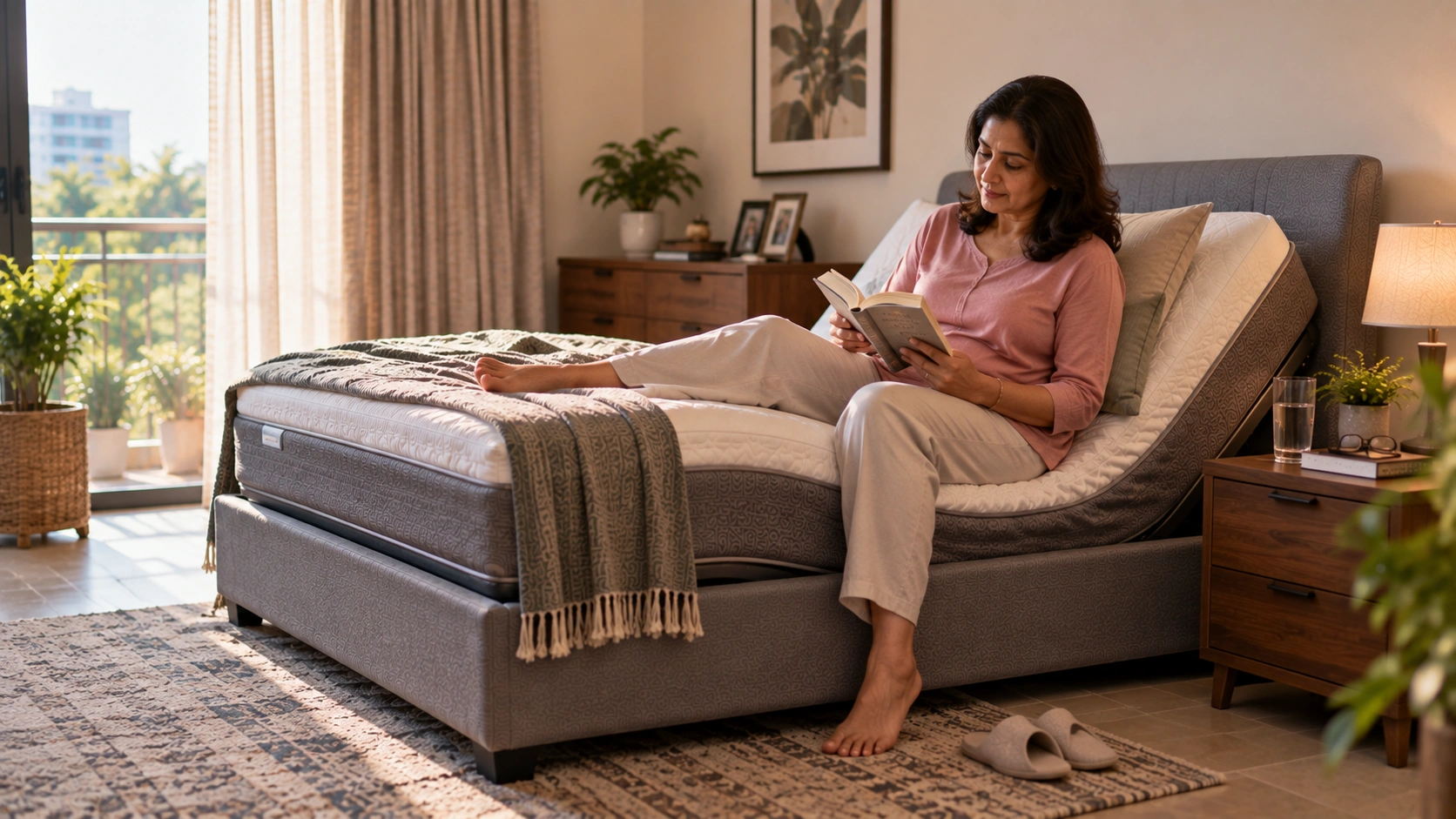
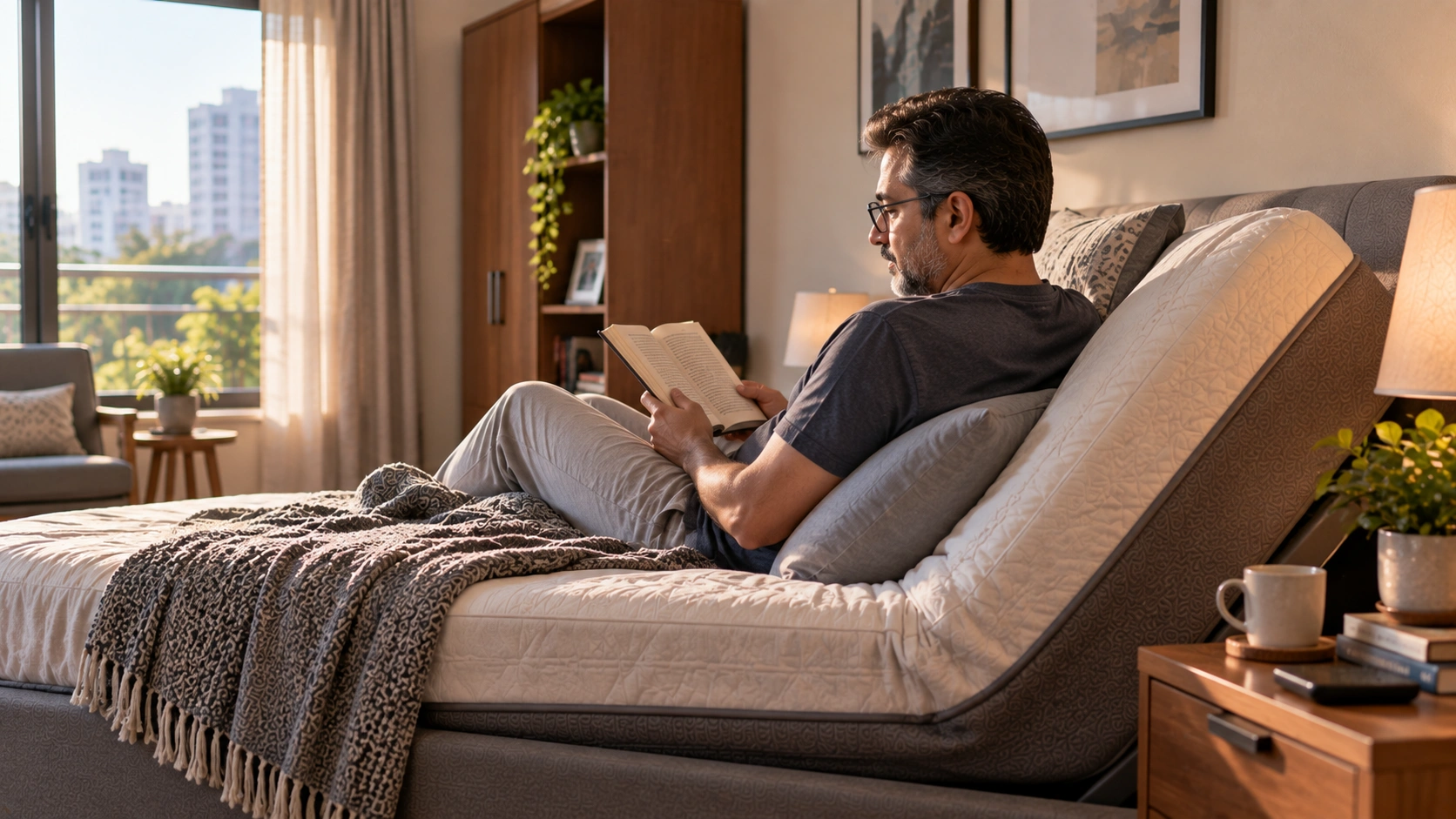
- Comfortable eating, reading, or resting positions
- Better sleep patterns due to improved support
- Less strain on the joints and muscles
- More involvement in daily therapy routines
The patient gains better independence through this achievement, which decreases caregiver stress for home care that lasts multiple months and years.
People face a tough recovery process after a stroke, but proper medical equipment establishes a healing space which helps patients recover their abilities. The selection of home-care beds brings advantages to stroke survivors who need better rest, safer mobility, and support for their recovery process. The item functions as more than a basic furniture piece because it establishes a base which supports people through physical independence, emotional stability and long-term health.
At Zerogbeds, we bring years of experience in designing home-care and rehabilitation beds that focus on safety, comfort, and ease of use for both patients and caregivers. Choosing the right medical patient bed improves daily caregiving and patient comfort, which enhance patient comfort while creating a more peaceful environment for both patients and their caregivers.