
Short on time? Here’s the quick answer: yes for most people with mechanical lower back pain, an adjustable bed genuinely helps because it lets you take pressure off the spine by elevating the legs and upper body instead of forcing you to lie flat. It isn’t a cure for every back condition, but it is one of the few sleep changes with real, repeatable results. Below, we break down exactly why, and how to know if it will work for you.
Adjustable beds are good for back pain when used with the right position (usually a slight knee-and-head elevation or the Zero Gravity position), a supportive mattress, and consistent use. They reduce spinal pressure, improve circulation, and support the lower back’s natural curve but they work best alongside good posture habits and, where needed, a physiotherapist’s guidance.
Why This Question Keeps Coming Up
If you’ve typed “is an adjustable bed good for your back” into Google at 1 a.m. after another restless night, you’re not alone. Lower back pain is one of the most searched sleep-related complaints in India, and for good reason long work-from-home hours, poor mattress quality, and aging all add up. Before spending money on an adjustable bed for back pain, it’s fair to ask: does the science actually back this up, or is it just clever marketing?
The short answer is that the evidence is genuinely on the side of adjustable beds but only when they’re used correctly. Let’s unpack that.
What Actually Happens to Your Spine on a Flat Mattress
When you lie completely flat, your lower back often loses contact with the mattress, leaving it unsupported and forcing surrounding muscles to work overtime just to keep your spine stable through the night. Over years, this contributes to stiffness, muscle fatigue, and chronic soreness especially for side and back sleepers.
An adjustable bed changes this equation. By raising the head and knee sections even slightly, you flatten the unnatural gap under your lower back and let your spine settle into a more neutral, supported curve.
The Positions That Actually Relieve Back Pain
- Zero Gravity Position: Legs elevated slightly above heart level with a gentle head incline — modeled on the posture astronauts use to reduce spinal load during launch. This is widely considered the single best setting for lower back relief.
- Knee-Elevation Position: A soft bend at the knees relieves tension in the lumbar spine without a dramatic incline — ideal for people newer to adjustable beds.
- Slight Head Elevation: Helpful if your back pain is paired with acid reflux or breathing discomfort, since it keeps the spine aligned while easing pressure elsewhere.
We go step-by-step through fine-tuning these angles in our guide on how to set up your adjustable bed for maximum lower back pain relief — worth bookmarking once you’ve picked your bed.
Who Benefits Most
Adjustable beds tend to help the most if you deal with:
- Mechanical or postural lower back pain (from sitting, standing, or sleeping position)
- Sciatica-type discomfort that worsens lying flat
- Stiffness after long hours at a desk
- Recovery after minor back strain or surgery, under medical guidance
If your pain is caused by an underlying spinal condition, always loop in a doctor or physiotherapist — an adjustable bed supports treatment, it doesn’t replace it.
Not Ready for a Full Adjustable Bed Yet?
If you want to test the difference before committing to a full setup, you don’t need to replace your entire bedroom. Many of our customers start by converting their existing bed we cover exactly how in how to convert your standard bed into an adjustable bed for home care.
How to Choose the Right Adjustable Bed for Back Pain
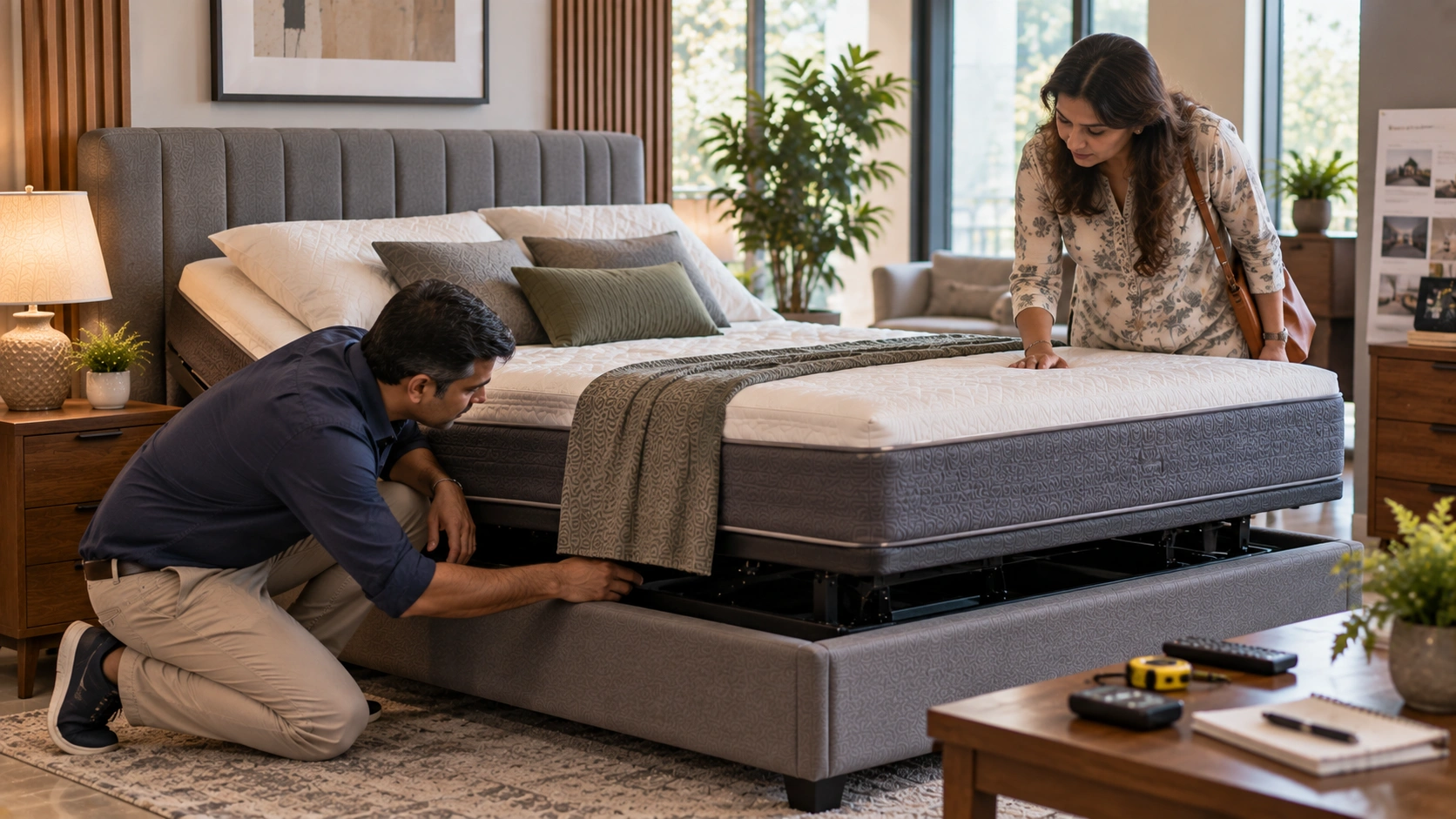
- Check the incline range — look for beds offering at least 45–60° head elevation and independent leg elevation.
- Match the mattress — memory foam or natural latex flexes with the frame instead of resisting it.
- Look for preset positions — Zero Gravity and lumbar-support presets save you the trial-and-error.
- Test the motor noise — a noisy motor defeats the point if it disturbs your sleep.
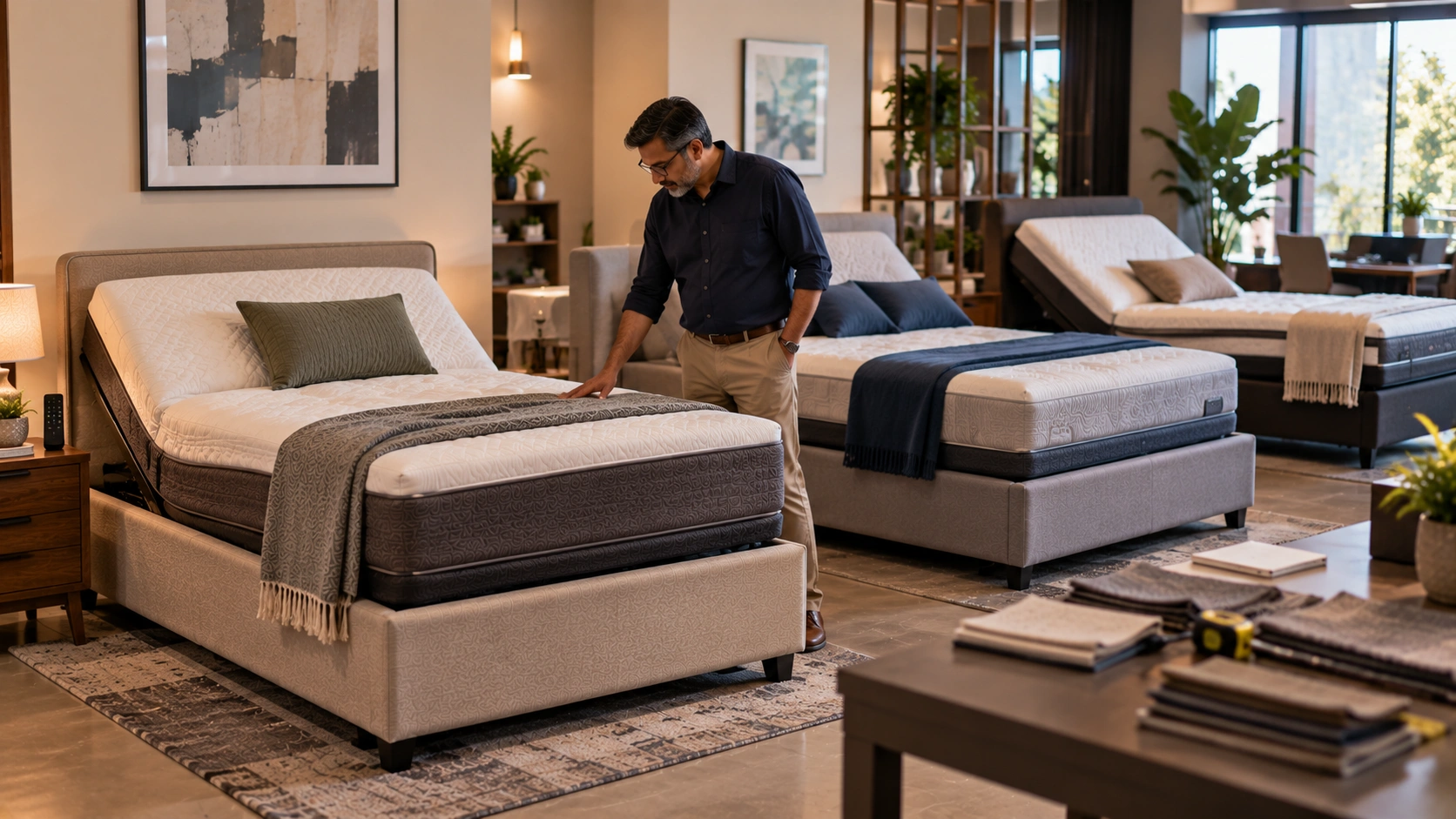
Our Adjustable Bed for Back Pain range is built around exactly this checklist, with body-contouring frames designed specifically for spinal support. If you’re comparing frame types first, our Adjustable Bed Frame page breaks down the options.
The Bottom Line
So are adjustable beds good for back pain? For the vast majority of people dealing with mechanical or posture-related discomfort, yes, genuinely. The key is choosing the right frame, pairing it with a supportive mattress, and using the positions your body responds to best.
Explore our full range of Zero G Beds adjustable beds, or speak to our team for a free consultation tailored to your specific pain points.