
Sleeping on a very firm surface or the floor is a widely repeated home remedy for back pain, but it’s not well supported by current evidence research generally favors mediumfirm support over extremely firm or hard surfaces. An adjustable bed addresses the actual mechanism behind most positional back pain an unsupported lower spine more directly than firmness alone, regardless of how hard the sleeping surface is.
“Sleep on the floor, it’s good for your back” is advice many of us have heard from a parent, grandparent, or wellmeaning friend and it’s repeated often enough that it’s easy to assume there must be solid evidence behind it. It’s worth examining this claim directly, since firm mattress or floor sleeping versus an adjustable bed is a genuinely common question for anyone comparing back pain solutions in India.
Where This Belief Comes From
The firmsurfaceforbackpain idea has some historical logic behind it: older, poorly constructed mattresses often sagged badly, creating exaggerated pressure points and spinal misalignment, and a firm surface or the floor genuinely was an improvement over a severely sagging bed. The advice made sense in that specific comparison but it doesn’t automatically follow that firmer is always better, or that the floor is the ideal solution, once you’re comparing against a properly designed, supportive sleep surface rather than a wornout old mattress.
What the Evidence Actually Suggests
Multiple studies on mattress firmness and back pain have found that mediumfirm surfaces tend to outperform both very soft and very hard surfaces for reducing back pain and improving sleep quality. A surface that’s too hard including bare floor doesn’t allow the hips and shoulders to sink in slightly, which can create new pressure points and actually push the spine out of neutral alignment rather than supporting it, the opposite of the intended effect.
Comparing the Three Approaches
| Approach | What It Does for the Spine | Common Drawback |
| Floor sleeping | Extremely firm, no pressurepoint cushioning | Can create new pressure points at hips/shoulders; no positioning benefit |
| Very firm mattress | Firmer support than average, but still some cushioning | May not contour to the spine’s natural curves; still no active positioning |
| Adjustable bed (Zero Gravity) | Actively closes the unsupported lowerback gap through elevation | Higher upfront cost; requires a compatible mattress |
The Missing Piece: Firmness Alone Doesn’t Change Your Position
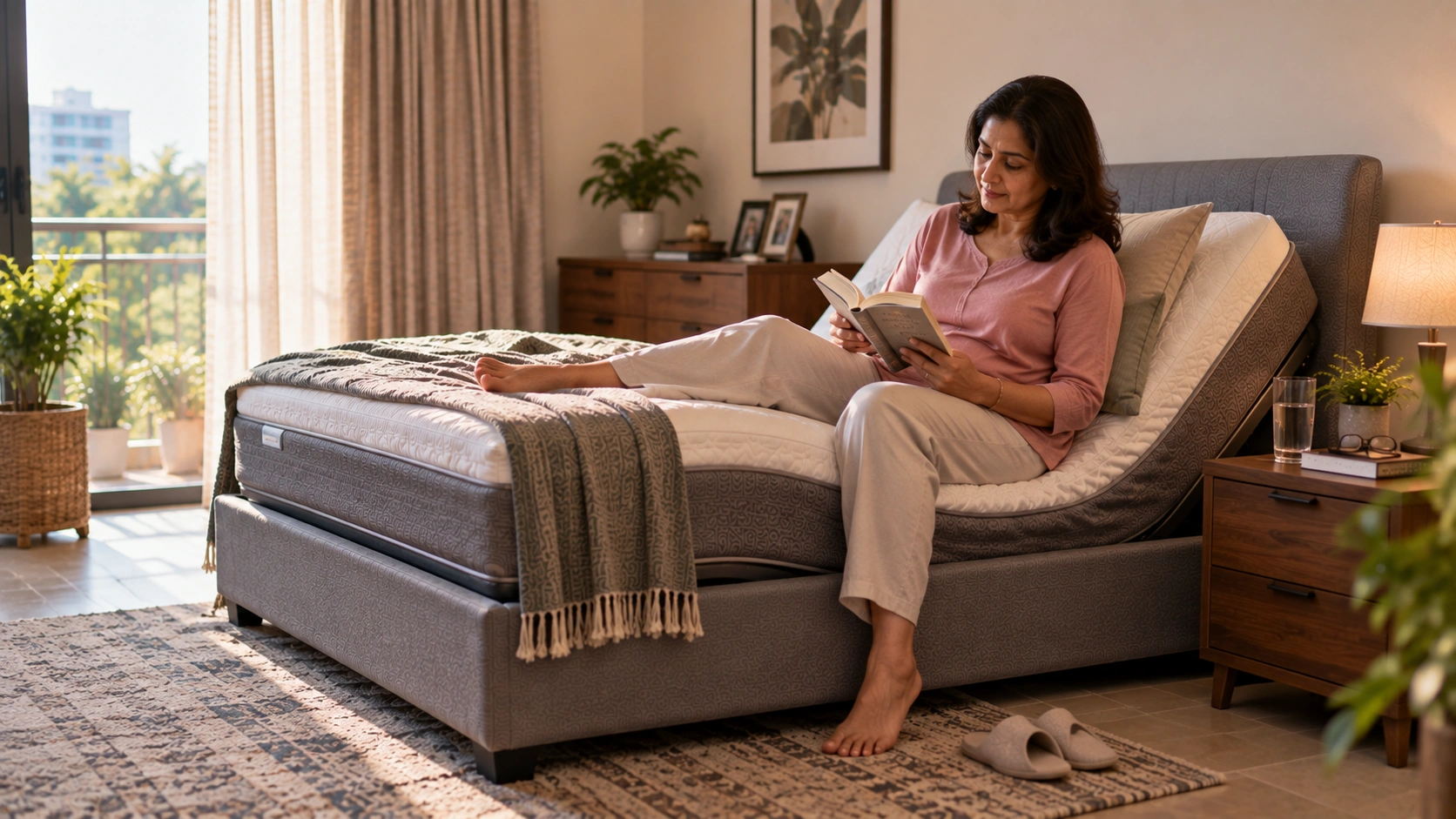
This is the core issue with the firmsurface approach: no matter how firm the surface, lying flat still leaves the natural gap under your lower back unsupported, since firmness affects cushioning, not the actual angle of your spine. An adjustable bed addresses a fundamentally different variable it changes your body’s position, elevating the knees to close that gap directly, which a firm surface, however hard, structurally cannot do on its own.
When a Firmer Surface Genuinely Does Help
To be fair to the traditional advice, upgrading from a badly sagging, wornout mattress to a firmer, betterconstructed one absolutely can reduce back pain because it fixes the specific problem of excessive sinking and pressurepoint misalignment. The issue isn’t that firmness is irrelevant; it’s that “as firm as possible” or the bare floor isn’t the optimal target, and firmness alone still doesn’t address positional support the way active elevation does.
Combining Both Approaches for the Best Result
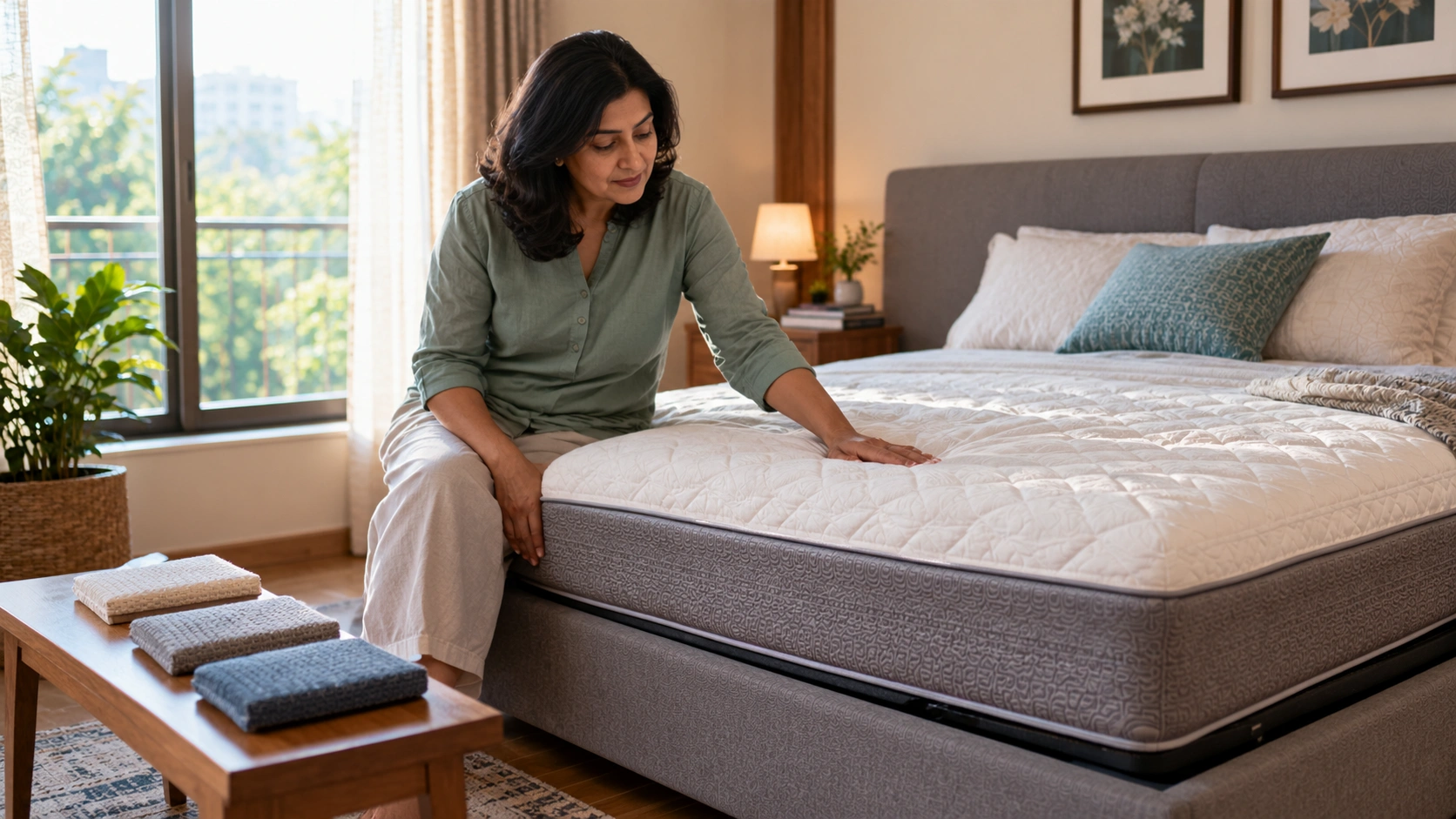
The most effective setup generally isn’t firmness alone or positioning alone it’s a mediumfirm, supportive mattress material like memory foam or natural latex, paired with an adjustable frame that can elevate the knees and head as needed. This combination addresses both variables that matter: appropriate cushioning to avoid new pressure points, and active positioning to close the lowerback gap that firmness alone can’t fix. Our comparison in adjustable bed vs orthopedic mattress for back pain goes deeper into how these two factors work together rather than competing with each other.
Why This Myth Persists Despite the Evidence
It’s worth understanding why floorsleeping advice remains so persistent despite not holding up well to closer scrutiny. Part of it is generational many households genuinely did experience real relief moving from a badly sagging traditional mattress to a firmer surface or the floor decades ago, and that specific, real improvement got generalized into broader advice that firm or hard is always better, without accounting for how mattress technology and understanding of spinal support have since evolved. There’s also a simple availability bias at play: floor sleeping is free and requires no purchase, making it an appealing piece of advice to pass along regardless of whether it’s actually the optimal solution compared to a properly designed sleep surface.
A Practical Way to Test This for Yourself
If you’re skeptical of moving away from firmsurface habits, a reasonable way to test the difference is a genuine twoweek trial on a mediumfirm, adjustablecompatible mattress with the frame in a gentle Zero Gravity position, tracking your morning stiffness and pain levels against your previous floor or firmmattress baseline. Many people who’ve slept on very firm surfaces for years find the transition takes a few nights to feel fully natural, simply because the body has adapted to the old surface but a fair trial period, rather than judging after just one or two nights, gives a much more accurate picture of which approach genuinely serves your back better.
The floororfirmmattress advice for back pain isn’t baseless, but it’s an oversimplified fix for a more specific problem usually a badly sagging old mattress. Once you’re comparing against a properly designed sleep surface, active positioning through an adjustable bed addresses the actual mechanism behind most back pain more directly than firmness alone ever can.
Explore our Natural Latex Mattress range, built for mediumfirm support that flexes properly with an adjustable frame.
Related Reading: