
According to the World Health Organization (WHO), low back pain is one of the leading causes of disability worldwide and has become increasingly common among older adults. Research also suggests that the prevalence of back pain rises significantly after the age of 60, making proper sleep support especially important for seniors.
Introduction
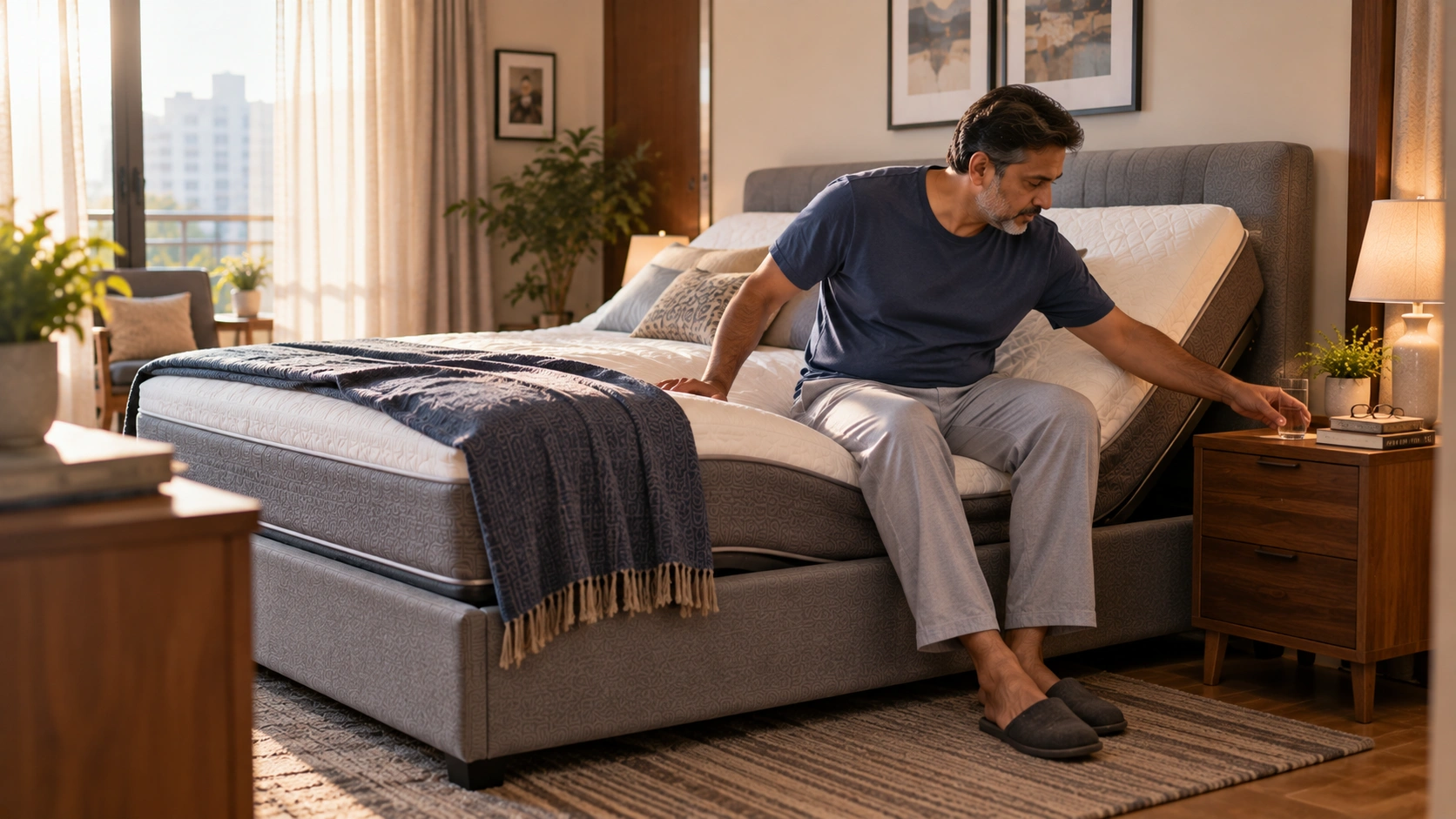
For example, a senior experiencing chronic lower back pain may struggle to remain comfortable throughout the night, even after changing mattresses or pillows. In many cases, adjusting sleeping posture can make a noticeable difference.
Back pain is one of the most common health concerns among older adults. As the body ages, the spine undergoes natural wear and tear, muscles lose strength, and joints become less flexible. These changes can make sleeping uncomfortable and lead to frequent nighttime awakenings.
The good news is that sleeping positions play a major role in managing pain. The right posture can reduce pressure on the spine, improve circulation, and support muscle recovery. In many cases, an Adjustable Bed For Back Pain can help seniors maintain comfortable positions throughout the night.
Before exploring the best sleeping positions, it’s important to understand why back pain becomes more common with age.
What Is the Best Sleeping Position for Elderly People With Back Pain?
The best sleeping positions for elderly people with back pain include:
- Back sleeping with a pillow under the knees
- Side sleeping with a pillow between the knees
- Head-elevated sleeping for breathing or acid reflux issues
- Zero Gravity sleeping position using an adjustable bed
These positions help maintain spinal alignment, reduce pressure on nerves and joints, improve circulation, and support better sleep quality.
Why Does Back Pain Increase With Age?
Back pain becomes more common with age because the spine, muscles, and joints undergo natural age-related changes over time. These age-related changes can increase pressure on nerves and reduce the body’s ability to support proper posture during sleep.
What Happens to the Spine as We Age?
The spine experiences gradual changes that can affect comfort and mobility.
Loss of Spinal Flexibility
Spinal discs lose water content over time, reducing their ability to absorb shock.
This can make everyday movements more difficult and increase lower back discomfort.
Reduced Muscle Mass
Age-related muscle loss weakens the muscles that support the spine.
As a result, the lower back may experience increased strain during sleep.
How Does Arthritis Cause Nighttime Pain?
Arthritis is a condition that causes inflammation in the joints, leading to stiffness, swelling, and pain.
Many seniors experience increased arthritis discomfort during the night and early morning.
For example, an elderly person with arthritis in the lower back may find it difficult to remain comfortable in one sleeping position for several hours.
What Is Degenerative Disc Disease?
Degenerative disc disease occurs when spinal discs lose their cushioning ability and become less effective at absorbing pressure.
Degenerative disc disease often contributes to chronic lower back pain, stiffness, and discomfort when lying flat.
How Does Osteoporosis Affect Sleep?
Osteoporosis weakens bones and increases the risk of fractures, particularly in the spine.
Seniors with osteoporosis often require supportive sleeping positions to reduce pressure on fragile bones.
What Is Spinal Stenosis?
Spinal stenosis occurs when the spinal canal narrows and compresses surrounding nerves.
Many seniors with spinal stenosis find relief when sleeping in slightly elevated positions.
How Does Sciatica Affect Sleep?
Sciatica causes pain that radiates from the lower back into the legs due to nerve compression.
Proper sleeping posture can reduce pressure on the sciatic nerve and improve comfort.
How Does Sleeping Position Affect Spinal Health?
Sleeping position directly affects spinal alignment, circulation, pressure distribution, and muscle recovery. Maintaining a neutral spine during sleep helps reduce pain and improve comfort.
What Is Neutral Spine Alignment?
Neutral spine alignment refers to maintaining the natural curves of the spine while sleeping.
Healthcare professionals often recommend this position because it reduces stress on muscles and joints.
Why Is Pressure Distribution Important?
Body weight should be distributed evenly during sleep.
Poor posture creates pressure points that can worsen pain in the back, hips, and shoulders.
How Does Blood Circulation Impact Recovery?
Healthy blood circulation supports tissue repair, oxygen delivery, and recovery while helping reduce inflammation.
Elevating the legs can improve blood flow and reduce swelling.
Learn more about How Adjustable Beds Improve Blood Circulation During Sleep
Why Does Muscle Relaxation Matter?
When the body is improperly positioned, muscles remain tense throughout the night.
For example, sleeping on the stomach forces the neck into an unnatural position for six to eight hours.
What Do Sleep and Spine Specialists Recommend?
Most sleep specialists, physiotherapists, and orthopedic experts recommend maintaining a neutral spinal position during sleep. Proper alignment helps reduce unnecessary pressure on the spine, muscles, and joints while supporting overnight recovery.
For seniors with conditions such as arthritis, sciatica, spinal stenosis, or degenerative disc disease, choosing supportive sleeping positions can help minimize discomfort and improve sleep quality.
Comparison of the Best Sleeping Positions for Seniors With Back Pain
| Sleeping Position | Best For | Main Benefits |
| Back Sleeping | General lower back pain | Neutral spinal alignment |
| Side Sleeping | Sciatica, osteoporosis | Reduced nerve pressure |
| Head Elevation | GERD, COPD, sleep apnea | Improved breathing |
| Zero Gravity Position | Chronic back pain, circulation issues | Reduced spinal compression |
What Is the Best Sleeping Position for Elderly People With Back Pain?
Sleeping on the back with a pillow under the knees is often considered the best sleeping position for elderly people with back pain because it promotes proper spinal alignment and reduces lower back stress.
How Should Seniors Sleep on Their Back?
Follow these simple steps:
- Lie flat on your back.
- Place a pillow beneath your knees.
- Support your neck with a comfortable pillow.
- Keep your spine aligned naturally.
Benefits of Back Sleeping
Reduced Lower Back Stress
The pillow under the knees helps maintain the spine’s natural curve.
Better Weight Distribution
Body weight is spread evenly across the mattress.
Improved Alignment
This position supports a neutral spine throughout the night.
Who Benefits Most?
- Seniors with chronic back pain
- Arthritis patients
- Individuals recovering from injuries
Potential Drawbacks
Seniors with severe sleep apnea or persistent snoring may benefit from sleeping with the upper body elevated instead of lying completely flat.
Is Side Sleeping Good for Back Pain?
Yes, side sleeping can be highly beneficial when performed correctly. Using a pillow between the knees helps maintain alignment and reduces pressure on the lower back and hips.
How Should Seniors Sleep on Their Side?
For proper support:
- Sleep on your preferred side.
- Place a pillow between your knees.
- Use a supportive pillow under your neck.
Benefits of Side Sleeping
Reduced Spinal Rotation
The spine remains aligned more naturally.
Better Hip Alignment
A pillow prevents the hips from rotating forward.
Fewer Pressure Points
Body weight is distributed more evenly.
Who Benefits Most?
- Sciatica patients
- Degenerative disc disease sufferers
- Seniors with osteoporosis
Common Side Sleeping Mistakes
Avoid:
- Tight fetal positions
- Thin pillows
- Unsupported knees
Caregiver Tip
Caregivers should regularly check that support pillows remain properly positioned during the night.
How Does Head Elevation Help Seniors Sleep Better?
Head elevation involves slightly raising the upper body during sleep to improve breathing, reduce reflux symptoms, and enhance overall comfort.
Benefits of Head Elevation
Reduced Acid Reflux
Elevation helps prevent stomach acid from moving upward.
Better Breathing
A raised upper body can improve airflow.
Reduced Congestion
Many seniors experience easier breathing and reduced nasal congestion.
Conditions That Benefit
- GERD
- COPD
- Sleep apnea
- Congestive heart failure
Rather than stacking multiple pillows, many seniors prefer an Electric Bed For Home that provides consistent elevation and support.
What Is the Zero Gravity Sleeping Position?
The Zero Gravity sleeping position elevates both the head and legs to reduce spinal pressure, improve circulation, and create a feeling of weightlessness.
Originally inspired by NASA research, this position helps distribute body weight more evenly.
How Does the Zero Gravity Position Work?
The body is positioned so that:
- The upper body is elevated.
- The knees are slightly bent.
- The legs are raised above heart level.
Benefits of the Zero Gravity Position
Reduced Spinal Pressure
The spine experiences less compression and strain.
Better Blood Circulation
Elevated legs improve venous return and reduce swelling.
Discover more conditions that benefit from adjustable positioning in 10 Medical Conditions That Benefit From Adjustable Beds
Reduced Swelling
Many seniors experience relief from ankle and foot swelling.
Better Breathing
Elevated positioning can improve airflow and reduce breathing difficulties.
Improved Sleep Quality
Reduced pressure points often lead to deeper and more restorative sleep.
Why Adjustable Beds Make These Positions Easier
Maintaining the same sleeping position throughout the night can be challenging for seniors, especially those living with arthritis, sciatica, spinal stenosis, or mobility limitations.
Adjustable beds allow users to elevate the head, raise the legs, or activate the Zero Gravity position without repeatedly repositioning pillows. This helps maintain recommended sleep postures more comfortably throughout the night.
Many seniors choose a Reclining Bed For Elderly India or Adjustable Bed Position For Back Pain solution to improve comfort, independence, and sleep quality.
Which Sleeping Positions Should Seniors Avoid?
Certain sleeping positions can increase spinal strain and worsen existing back pain.
Sleeping on the Stomach
This position can:
- Twist the neck
- Flatten the spine’s natural curve
- Increase lower back stress
Unsupported Side Sleeping
Without knee support, pressure on the hips and shoulders increases significantly.
Sitting Upright for Long Periods
Sleeping in a chair for extended periods can lead to poor circulation and pressure buildup.
How Do You Choose the Right Bed and Mattress for Back Pain?
The right mattress and bed can significantly improve sleep quality and reduce pain. Support, pressure relief, and adjustability should be key considerations.
What Mattress Firmness Is Best?
Many experts recommend medium-firm mattresses because they balance support and comfort.
Why Is Pressure Relief Important?
Pressure-relieving surfaces help reduce discomfort in sensitive joints and muscles.
Are Adjustable Beds Better Than Traditional Beds?
Adjustable sleep systems allow seniors to customize sleeping positions and reduce spinal pressure.
Why Consider Latex Mattresses?
Benefits include:
- Pressure redistribution
- Durability
- Better airflow
- Cooling comfort
Additional Lifestyle Tips for Better Sleep
Healthy daily habits can complement proper sleeping posture and improve overall sleep quality.
Stay Physically Active
Gentle exercise helps improve flexibility and circulation.
Stretch Daily
Simple stretching exercises can reduce muscle stiffness.
Maintain a Healthy Weight
Reducing excess weight decreases pressure on the spine.
Practice Good Sleep Hygiene
- Follow a consistent sleep schedule.
- Keep the bedroom cool and quiet.
- Avoid screens before bedtime.
Limit Caffeine Intake
Avoid caffeine in the late afternoon and evening.
When Should You See a Doctor for Back Pain?
Persistent or severe back pain should be evaluated by a healthcare professional, especially if accompanied by concerning symptoms.
Seek medical attention if you experience:
- Numbness
- Loss of bladder control
- Sudden weakness
- Severe pain
- Unexplained weight loss
Key Takeaways
- Back sleeping with knee support provides the best overall spinal alignment.
- Side sleeping is particularly beneficial for seniors with sciatica.
- Head elevation can help seniors with GERD, COPD, and sleep apnea.
- The Zero Gravity position reduces spinal pressure and improves circulation.
- Adjustable beds make it easier to maintain healthy sleep positions throughout the night.
Conclusion
The right sleeping position can play a major role in reducing back pain and improving sleep quality for seniors. Back sleeping with knee support, side sleeping with proper alignment, head elevation, and the Zero Gravity position all offer unique benefits depending on individual needs.
For many older adults, Adjustable Beds For Seniors provide an effective way to maintain healthy sleep posture, improve circulation, and reduce discomfort throughout the night.
If you’re looking for a solution that combines comfort, support, and flexibility, explore Zero-G Recliner Beds designed to promote better sleep, enhanced mobility, and long-term wellness for seniors.
This article is for informational purposes only and should not be considered medical advice. If you experience persistent back pain or other health concerns, consult a qualified healthcare professional for personalized guidance.