
According to the World Health Organization (WHO), chronic health conditions such as musculoskeletal disorders, cardiovascular diseases, respiratory conditions, and mobility limitations affect millions of people worldwide. Many of these conditions can impact sleep quality, comfort, circulation, and overall wellbeing. While adjustable beds are not medical treatments, they can help support comfort and positioning for individuals managing certain health conditions.
Introduction
For example, someone living with chronic back pain may struggle to find a comfortable sleeping position, while another individual with acid reflux may wake up multiple times during the night due to discomfort. Similarly, seniors with arthritis or circulation issues often find it difficult to remain comfortable on a traditional flat bed.
The way the body is positioned during sleep can significantly affect pressure distribution, breathing, circulation, and spinal alignment. This is one reason why many people are choosing an Adjustable Bed Frame, Electric Bed For Home, or Adjustable Beds For Seniors to support their sleep and daily comfort.
This guide explores ten medical conditions that may benefit from the positioning flexibility offered by adjustable beds.
What Is an Adjustable Bed?
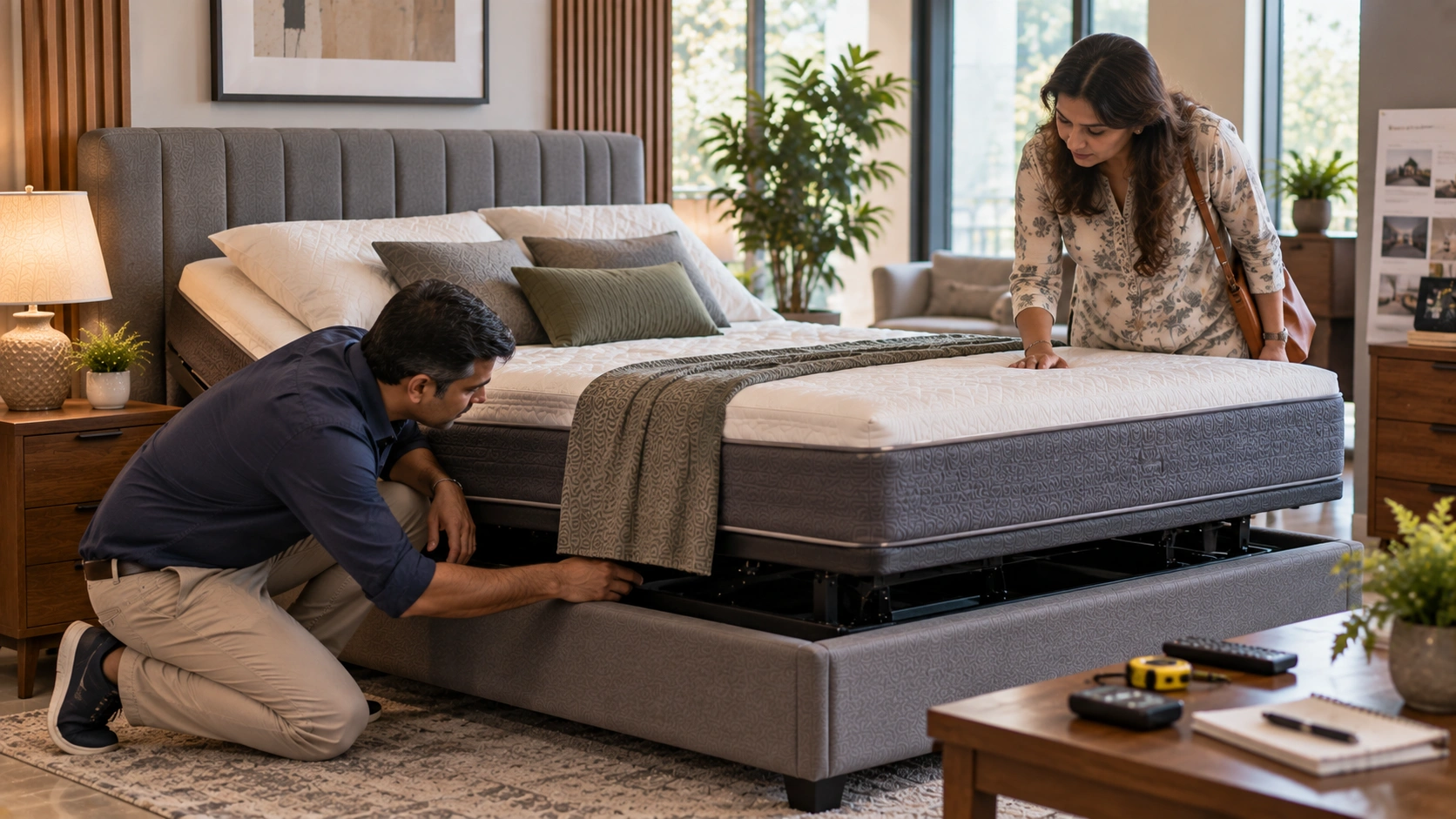
An adjustable bed is a motorized sleep system that allows users to elevate the head, raise the legs, or adjust both sections independently.
Unlike traditional beds, adjustable beds provide customizable positions that can help improve comfort and support specific health needs.
Common Adjustable Bed Features
- Head elevation
- Leg elevation
- Zero Gravity position
- Remote control operation
- Pressure relief support
- Customized sleeping positions
Many individuals choose an Adjustable Bed For Home because it offers greater flexibility than a traditional flat bed.
How Can Adjustable Beds Support Health and Comfort?
Adjustable beds support health and comfort by helping users maintain positions that reduce pressure, improve circulation, support breathing, and promote better sleep quality.
Different conditions may benefit from different sleeping positions.
Potential Benefits Include:
- Reduced spinal pressure
- Better circulation
- Improved breathing
- Enhanced comfort
- Easier mobility
- Reduced swelling
Let’s explore some of the most common conditions that may benefit from adjustable positioning.
- Back Pain
Back pain is one of the most common reasons people consider purchasing an adjustable bed.
Proper positioning can help reduce pressure on the spine and support natural spinal alignment.
How Adjustable Beds May Help
Reduced Lumbar Pressure
Elevating the legs can reduce strain on the lower back.
Improved Alignment
Custom positions support a more neutral spine.
Better Sleep Comfort
Reduced discomfort often contributes to better sleep quality.
Many individuals specifically search for an Adjustable Bed For Back Pain or Adjustable Bed Position For Back Pain to improve comfort.
Learn more in Adjustable Beds vs Traditional Beds: Which Is Better for Long-Term Health?
- Arthritis
Arthritis causes joint pain, stiffness, and inflammation that can worsen during the night.
Adjustable beds may help reduce pressure on painful joints.
Potential Benefits
- Reduced joint stress
- Improved comfort
- Easier movement in bed
- Better sleep quality
Many seniors with arthritis find it easier to maintain comfortable sleeping positions using adjustable beds.
- Sciatica
Sciatica occurs when the sciatic nerve becomes irritated or compressed.
The resulting pain often travels from the lower back into the legs.
How Adjustable Beds May Help
Elevating the legs can help reduce pressure on the lower back and pelvis.
Many users report greater comfort when sleeping in supported positions.
- Acid Reflux (GERD)
Gastroesophageal reflux disease (GERD) causes stomach acid to flow back into the esophagus.
Symptoms often worsen when lying flat.
Why Head Elevation Matters
Keeping the upper body elevated may help reduce nighttime reflux symptoms.
Potential Benefits
- Reduced heartburn
- Improved comfort
- Better sleep quality
Adjustable beds allow consistent elevation without stacking multiple pillows.
- Sleep Apnea
Sleep apnea is a condition that causes repeated interruptions in breathing during sleep.
While adjustable beds do not treat sleep apnea, some users find elevated sleeping positions more comfortable.
Potential Benefits
Improved Airflow
Head elevation may support easier breathing.
Reduced Snoring
Some individuals experience reduced snoring in elevated positions.
- Poor Blood Circulation
Circulation issues can contribute to swelling, discomfort, and fatigue.
Leg elevation is one of the most popular adjustable bed features for circulation support.
How Adjustable Beds May Help
Leg Elevation
Elevating the legs may improve venous return.
Reduced Swelling
Many individuals experience less swelling in the feet and ankles.
Enhanced Comfort
Improved circulation often contributes to better relaxation.
Learn more about How Adjustable Beds Improve Blood Circulation During Sleep.
- Mobility Limitations
Individuals with limited mobility often find it difficult to reposition themselves in bed.
Adjustable beds can make position changes easier and more comfortable.
Benefits for Mobility Challenges
- Easier repositioning
- Improved independence
- Reduced caregiver assistance
- Greater comfort
Many families caring for loved ones at home choose an Adjustable Bed For Patients At Home to support mobility and comfort.
- Edema (Leg and Foot Swelling)
Edema causes fluid accumulation in the legs, ankles, and feet.
Leg elevation is commonly recommended to help manage swelling.
Why Adjustable Beds Help
Elevated Leg Position
Raising the legs may help encourage fluid movement.
Better Comfort
Reduced swelling often leads to improved sleep quality.
Many users utilize the Zero Gravity position to support circulation and comfort.
- Pregnancy-Related Discomfort
Pregnancy can create challenges such as back pain, swelling, and difficulty finding a comfortable sleeping position.
Adjustable beds may help improve comfort during different stages of pregnancy.
Potential Benefits
- Better support for the back
- Reduced leg swelling
- Easier position changes
- Improved relaxation
Many expectant mothers explore Adjustable Bed Pregnancy solutions for enhanced comfort.
- Recovery After Surgery
Recovery often requires proper positioning to support comfort and healing.
Adjustable beds make it easier to maintain recommended recovery positions.
Common Benefits During Recovery
Improved Comfort
Patients can adjust positions throughout the day.
Easier Movement
Position changes require less effort.
Better Support
Proper positioning may improve overall recovery comfort.
Many families use an Electric Bed For Home or Patient Bed For Home during post-surgical recovery.
Which Adjustable Bed Features Help Most Medical Conditions?
Certain adjustable bed features are beneficial across multiple health conditions.
Helpful Features Comparison
| Feature | Potential Benefit |
| Head Elevation | Breathing and reflux support |
| Leg Elevation | Circulation and swelling relief |
| Zero Gravity Position | Pressure reduction and comfort |
| Remote Control Operation | Easier adjustments |
| Custom Positioning | Personalized support |
These features allow users to tailor their sleeping positions to their individual needs.
What Do Healthcare Professionals Recommend?
Healthcare professionals generally recommend maintaining healthy sleep posture, proper spinal alignment, and adequate support during sleep.
While adjustable beds are not medical devices intended to treat diseases, many healthcare providers acknowledge the comfort and positioning benefits they can provide.
Patients experiencing chronic pain, circulation issues, mobility challenges, or sleep-related discomfort may find adjustable positioning helpful as part of their overall care plan.
Can Adjustable Beds Replace Medical Treatment?
No. Adjustable beds are designed to support comfort and positioning but should not replace medical treatment, medications, therapies, or professional healthcare advice.
They are best viewed as supportive tools that may help improve comfort and sleep quality.
Key Takeaways
- Adjustable beds provide customizable sleeping positions.
- Back pain, arthritis, and circulation issues are among the most common reasons people use adjustable beds.
- Head elevation may help support breathing and reflux management.
- Leg elevation can help improve circulation and reduce swelling.
- Adjustable beds may support comfort during pregnancy and post-surgical recovery.
- Adjustable beds are supportive wellness tools, not medical treatments.
Conclusion
Adjustable beds have become increasingly popular because they offer personalized comfort and flexible positioning for a wide range of health needs. Conditions such as back pain, arthritis, circulation concerns, GERD, mobility limitations, pregnancy discomfort, and post-surgical recovery may all benefit from adjustable positioning.
For individuals seeking improved comfort, better sleep quality, and easier mobility, an Adjustable Bed Frame, Electric Bed For Home, or Adjustable Beds For Seniors solution Zerog Beds may provide valuable long-term support.
When combined with appropriate medical care and healthy sleep habits, adjustable beds can play an important role in creating a more comfortable and supportive sleep environment.
This article is for informational purposes only and should not be considered medical advice. Adjustable beds are not intended to diagnose, treat, cure, or prevent any medical condition. Always consult a qualified healthcare professional regarding health concerns, treatment decisions, or changes to your care routine.