According to the World Health Organization (WHO), the global population aged 60 years and older is growing rapidly, increasing the demand for long-term care and recovery solutions outside traditional hospital settings. Advances in home healthcare equipment and caregiver support have also made home-based recovery more practical than ever before.
Introduction
For example, a patient recovering from joint replacement surgery may spend a few days in the hospital before being discharged. Instead of remaining in a medical facility for weeks, many families now choose to continue the recovery process at home where the patient can rest in familiar surroundings while receiving personalized care.
Home recovery has become increasingly popular among families caring for elderly parents, post-surgery patients, and individuals recovering from illness or injury. While hospitals play a critical role in acute medical treatment, extended hospital stays are not always necessary once a patient’s condition stabilizes.
With access to modern healthcare support, professional caregivers, and equipment such as a Bed For Patients, many patients can recover comfortably and safely at home.
Understanding why families are making this shift can help caregivers make informed decisions about recovery planning.
What Is Home Recovery?
Home recovery refers to the process of continuing medical recovery, rehabilitation, and daily care at home after hospitalization, surgery, illness, or injury.
Patients often receive support from family members, caregivers, nurses, physiotherapists, or healthcare professionals while recovering in a familiar environment.
Home recovery may include:
- Post-surgery care
- Rehabilitation support
- Elderly care
- Chronic illness management
- Mobility assistance
- Home nursing services
For many patients, home recovery provides both physical and emotional benefits.
Why Are More Families Choosing Home Recovery?
More families are choosing home recovery because it offers greater comfort, personalized care, emotional support, flexibility, and cost efficiency compared to prolonged hospital stays.
Advancements in home healthcare equipment have also made it easier to provide quality care outside hospital settings.
Key Reasons Families Prefer Home Recovery
- Familiar surroundings
- Better emotional wellbeing
- Reduced healthcare costs
- Personalized care
- Greater family involvement
- Improved comfort
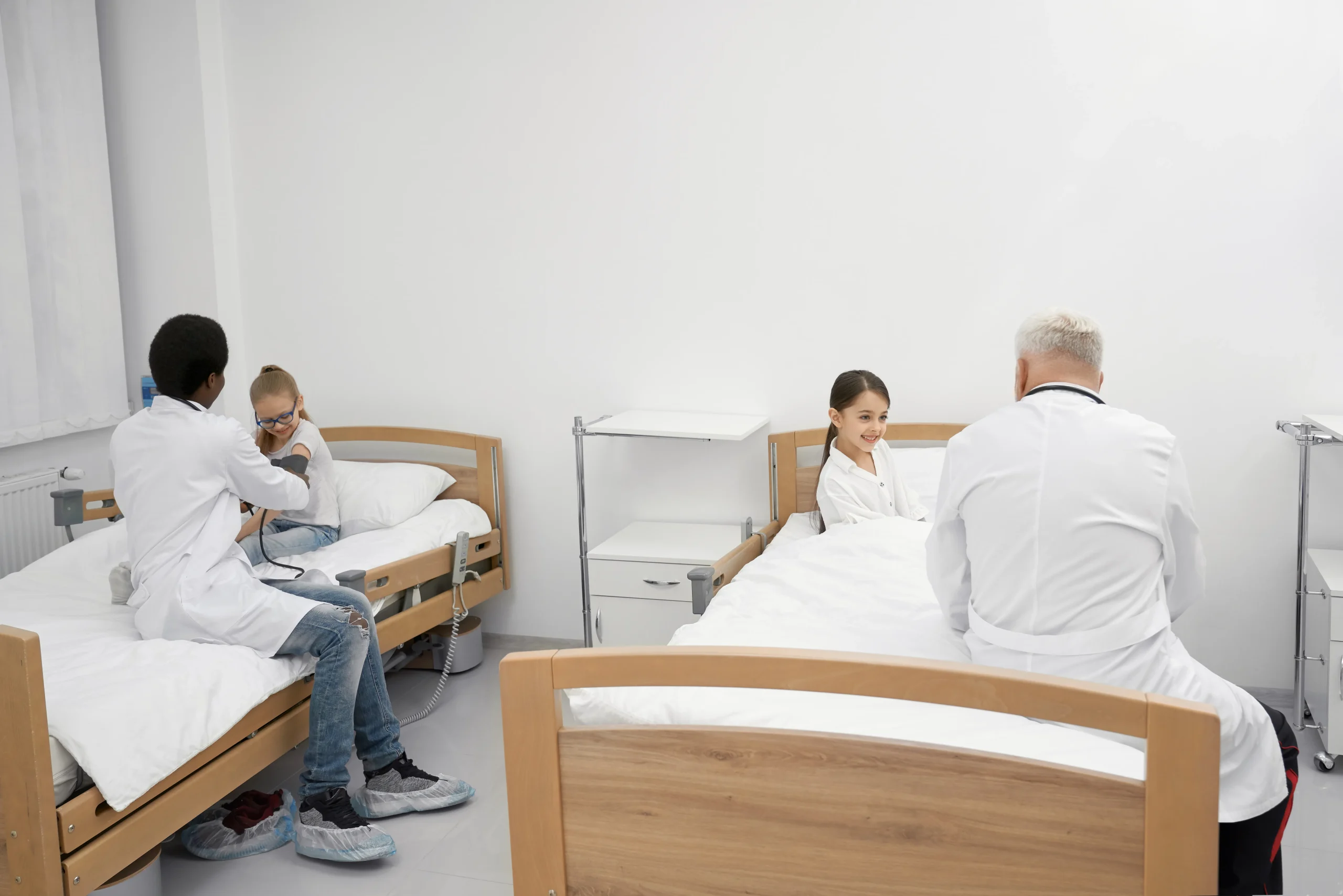
- Reduced exposure to hospital-acquired infections
These benefits can contribute to a more positive recovery experience.
How Does Recovering at Home Improve Emotional Wellbeing?
Recovering at home often reduces stress and anxiety because patients remain in a familiar and supportive environment.
Emotional wellbeing plays an important role in physical healing.
Why Familiar Environments Matter
Being surrounded by family, personal belongings, and familiar routines can create a sense of comfort and security.
Many patients feel more relaxed at home than in a clinical setting.
Benefits of Emotional Comfort
Reduced Anxiety
Patients often experience less stress when surrounded by loved ones.
Better Sleep Quality
Home environments are generally quieter and more comfortable.
Increased Motivation
Patients may feel more motivated to participate in rehabilitation and recovery activities.
A positive mindset can contribute to a smoother recovery process.
Can Home Recovery Improve Sleep Quality?
Yes, many patients experience better sleep quality during home recovery because they can maintain familiar routines and personalized comfort settings.
Quality sleep supports healing, immune function, and overall recovery.
Factors That Improve Sleep at Home
- Familiar bedding
- Reduced nighttime interruptions
- Personalized room temperature
- Comfortable sleep positions
Patients recovering from surgery or chronic conditions often benefit from a Patient Bed For Home that allows customized positioning for greater comfort.
Learn more about How to Care for a Bedridden Patient at Home: A Complete Caregiver’s Guide and how sleep posture affects recovery and comfort.
How Does Home Recovery Support Personalized Care?
Home recovery allows care plans to be tailored to the specific needs of each individual patient.
Unlike busy healthcare facilities, home environments often provide one-on-one attention.
Examples of Personalized Care
Flexible Schedules
Meals, medication, and therapy sessions can often be adjusted to individual preferences.
Customized Comfort
Patients can control lighting, noise levels, and sleeping arrangements.
Individual Attention
Caregivers can focus on the patient’s specific needs and recovery goals.
This level of personalization can improve both comfort and satisfaction.
Is Home Recovery More Cost-Effective Than Long Hospital Stays?
In many situations, home recovery can be more affordable than extended hospitalization once intensive medical care is no longer required.
The exact costs depend on the patient’s condition and care requirements.
Cost Factors to Consider
| Recovery Option | Typical Expenses |
| Hospital Stay | Room charges, nursing care, facility fees |
| Home Recovery | Caregiver support, equipment, home nursing services |
While home care may still involve expenses, many families find it more manageable than prolonged hospitalization.
Does Home Recovery Reduce Infection Risks?
Home recovery may reduce exposure to certain hospital-acquired infections because patients are no longer sharing healthcare environments with large numbers of individuals.
Hospitals are essential for acute medical care, but they can also expose patients to infectious diseases.
Benefits of a Controlled Home Environment
- Reduced exposure to hospital pathogens
- Familiar hygiene practices
- Lower patient density
- Personalized care routines
Maintaining cleanliness remains essential regardless of the recovery setting.
What Equipment Can Improve Home Recovery?
The right equipment can significantly improve comfort, mobility, safety, and caregiver efficiency.
Many families invest in supportive home recovery solutions.
Common Home Recovery Equipment
Adjustable Patient Beds
Adjustable beds allow patients to elevate the head, legs, or both.
Mobility Aids
Examples include:
- Walkers
- Wheelchairs
- Canes
Support Cushions
Pressure-relief cushions help improve comfort.
Bed Rails
Provide additional stability and safety.
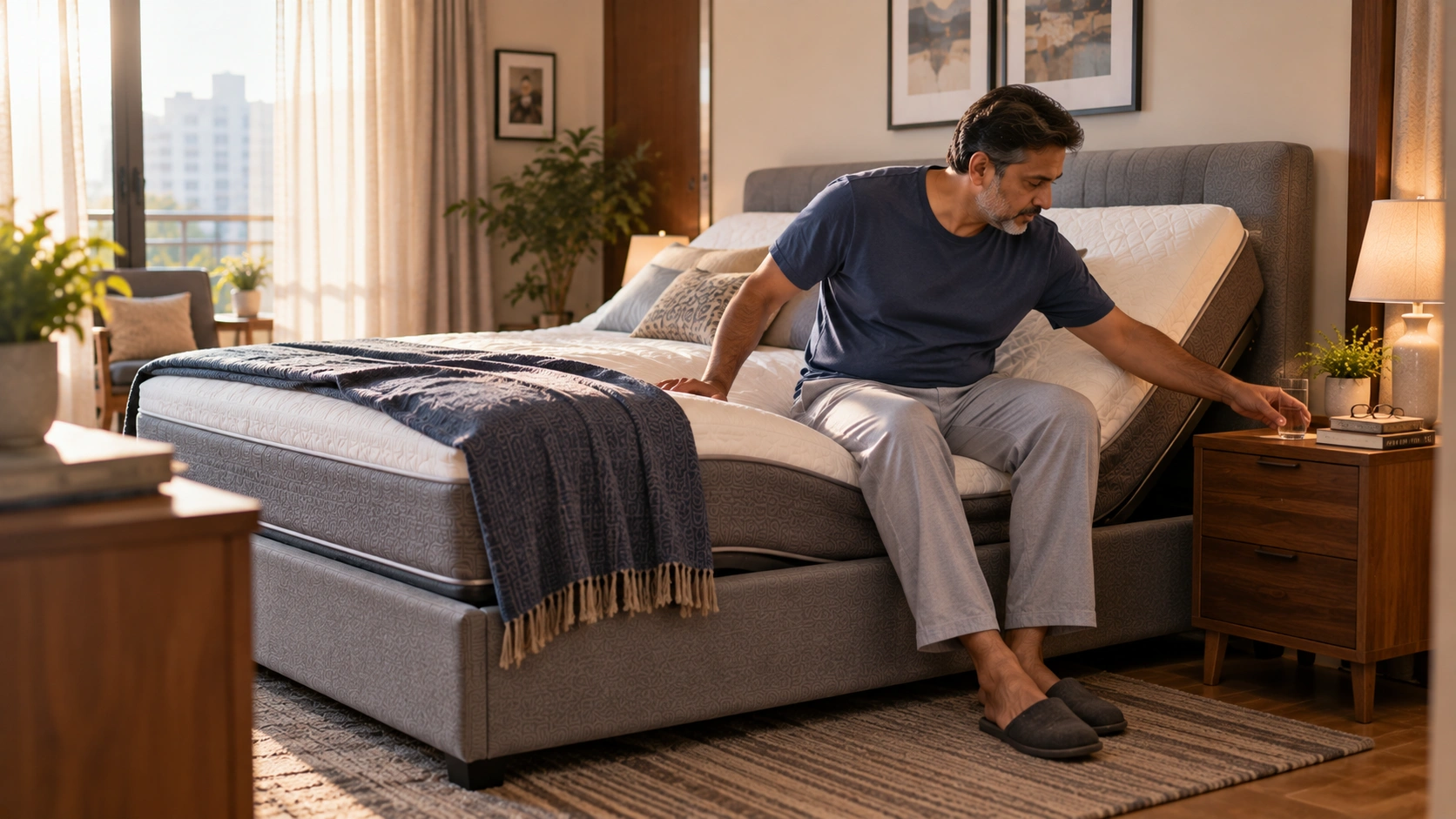
Many families choose an Adjustable Bed For Patients At Home because it supports positioning, comfort, and daily caregiving needs.
How Do Adjustable Beds Support Home Recovery?
Adjustable beds help improve comfort, circulation, positioning, and independence during recovery.
They allow patients to adjust their sleeping and resting positions with minimal effort.
Benefits of Adjustable Beds During Recovery
Easier Position Changes
Patients can reposition without excessive physical strain.
Improved Comfort
Custom positioning helps reduce pressure points.
Better Breathing Support
Head elevation can assist certain patients.
Enhanced Circulation
Leg elevation can help reduce swelling and improve blood flow.
Explore Hospital Bed vs Recliner Bed: Which One Should You Buy for Home Care? and overall wellbeing.
Many recovering patients benefit from an Electric Bed For Patients or Remote Control Bed For Patient setup that allows convenient adjustments throughout the day.
Which Patients Benefit Most From Home Recovery?
Many individuals can recover successfully at home when supported by appropriate care and medical guidance.
Common Examples
Post-Surgery Patients
Recovery after orthopedic, cardiac, or abdominal surgery.
Elderly Patients
Individuals requiring mobility support and ongoing care.
Stroke Survivors
Patients undergoing rehabilitation.
Patients With Chronic Conditions
Long-term health management often benefits from home-based support.
What Do Healthcare Professionals Recommend?
Healthcare professionals generally recommend home recovery when a patient is medically stable and can receive appropriate support outside the hospital.
A successful home recovery plan typically includes:
- Medical supervision
- Caregiver assistance
- Proper nutrition
- Mobility support
- Safe sleeping arrangements
- Regular follow-up appointments
Patients should always follow the guidance of their healthcare providers regarding discharge and recovery planning.
Home Recovery vs Long Hospital Stay
| Factor | Home Recovery | Long Hospital Stay |
| Comfort | High | Moderate |
| Family Interaction | High | Limited |
| Personalization | High | Moderate |
| Cost Efficiency | Often Better | Often Higher |
| Infection Exposure | Lower | Higher |
| Emotional Wellbeing | Better | Variable |
This comparison helps explain why many families now prefer recovery at home when medically appropriate.
What Challenges Can Families Face During Home Recovery?
While home recovery offers many benefits, it also comes with responsibilities.
Common Challenges
Caregiver Fatigue
Providing daily care can be physically and emotionally demanding.
Equipment Needs
Proper support equipment may be necessary.
Medical Monitoring
Some patients require ongoing professional supervision.
Home Modifications
Safety improvements may be needed.
Planning ahead helps families overcome these challenges more effectively.
Key Takeaways
- Home recovery allows patients to heal in a familiar environment.
- Many families choose home recovery for greater comfort and emotional support.
- Personalized care can improve the recovery experience.
- Home recovery may reduce exposure to hospital-acquired infections.
- Adjustable beds can support comfort, circulation, and mobility during recovery.
- Proper planning helps ensure a safe and successful recovery process.
Conclusion
Home recovery has become an increasingly popular choice for families seeking a comfortable, supportive, and personalized healing environment for their loved ones. While hospitals remain essential for acute medical treatment, many patients can continue recovering successfully at home once their condition stabilizes.
Benefits such as improved emotional wellbeing, better sleep, greater family involvement, and personalized care contribute to the growing preference for home-based recovery. For many households, a Patient Bed For Home, Adjustable Bed For Patients At Home, or Electric Bed For Patients can further improve comfort and simplify daily caregiving.
By combining proper medical guidance, caregiver support, and the right home recovery setup, families can create an environment that promotes healing, comfort, and independence.
This article is for informational purposes only and should not be considered medical advice. Always consult a qualified healthcare professional regarding recovery plans, medical care needs, and treatment decisions.