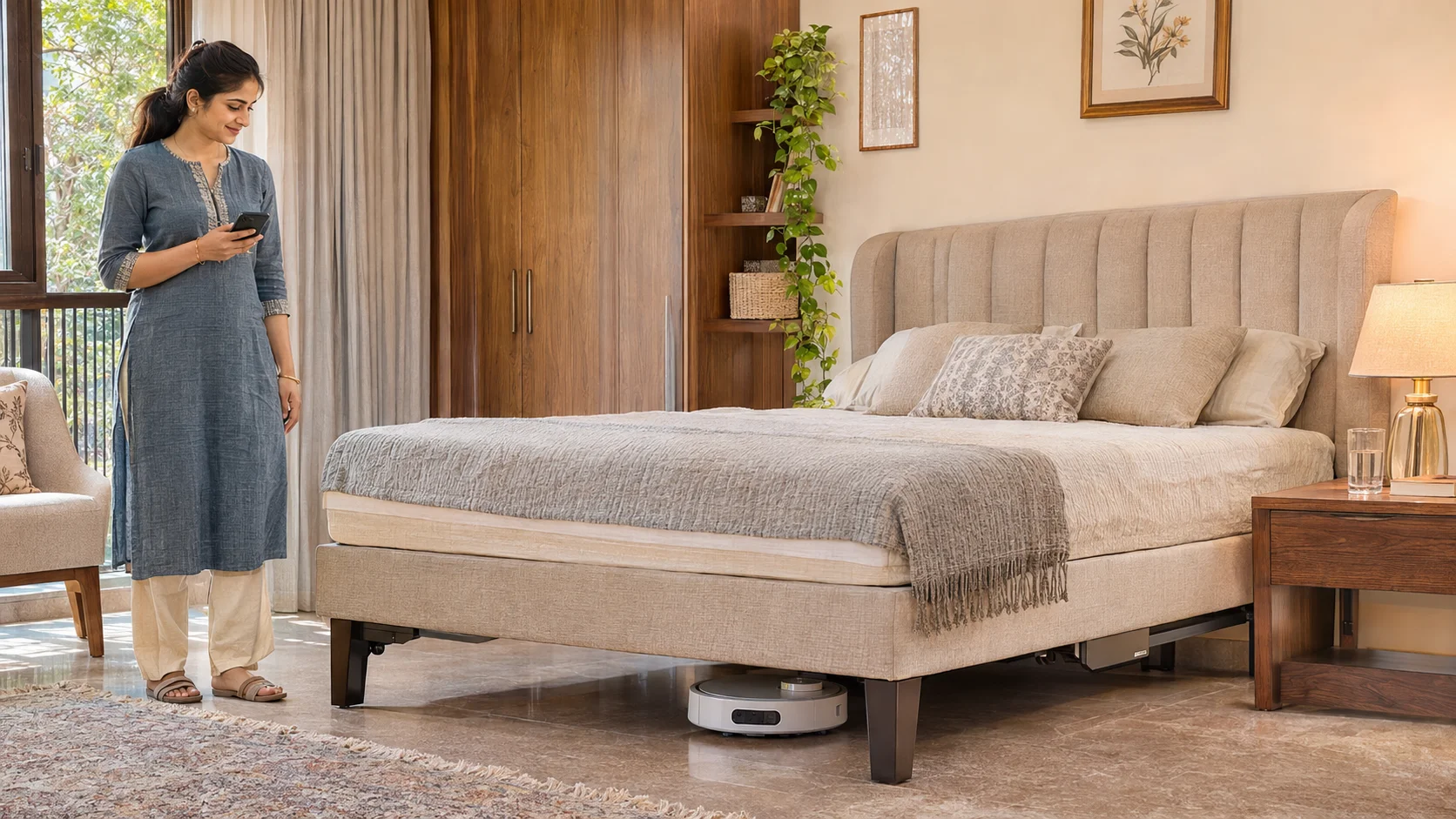
You may not need a full hospital bed if the person is mostly independent and needs only a little help sitting up or easing breathing or reflux, in which case an adjustable or recliner bed, or a wedge pillow, may be enough. You are more likely to need a hospital bed if the patient is bedridden, needs frequent repositioning, has pressure-sore risk, or the caregiver is straining to lift. Ask the doctor or physiotherapist, and avoid improvised setups.
When a family member comes home from hospital, someone usually says they need a hospital bed. Sometimes that is true, and sometimes a simpler setup would do. Buying or renting a hospital bed when it is not needed adds clutter and effort, while skipping one when it is needed puts the patient and the caregiver at risk. Here is how to tell the difference.
The Options Compared
| Option | What It Does | Good For | Limits |
| Wedge pillow or backrest | Raises the upper body slightly | Mild reflux or breathing comfort, reading | Fixed angle, can slip, no leg support |
| Stack of pillows | Raises the head and shoulders | Very short-term use | Unstable, strains the neck and slides |
| Bed raisers or risers | Raise the height of an existing bed | Making standing easier | Do not adjust positions, and stability matters |
| Adjustable or recliner bed | Raises the head and legs by remote | Independent people who want comfort and sitting up | May lack height adjustment and care features |
| Hospital-style bed | Adjusts back, knees and often height, with rails and castors | Bedridden patients and hands-on care | Larger, clinical look |
When Alternatives May Be Enough
- The person is mostly independent and can reposition themselves.
- The need is comfort, such as mild reflux, breathing ease or sitting up to read.
- Care tasks in bed are minimal, with no frequent turning or hands-on washing.
- The need is short-term and the doctor has not advised special equipment.
When You Probably Do Need a Hospital Bed
- The patient is bedridden or spends most of the day in bed.
- Frequent repositioning is needed, for example because of pressure-sore risk.
- The caregiver is straining to lift, pull or reach across a low bed.
- Transfers to a chair or commode need an adjustable height.
- The doctor has advised specific positions, a pressure-relieving mattress or other features.
Why Improvised Setups Are Risky
Stacks of pillows, bricks under the legs of a bed and folded blankets can look like quick fixes, but they slip, tip and collapse. A patient can slide down, strain the neck or fall. Caregivers end up lifting more because the bed cannot do the work. If the situation is more than a few nights of mild discomfort, a proper adjustable or hospital bed is safer and easier.
A Middle Path: Adjustable and Recliner Beds
Between pillows and a full hospital bed sits a useful middle option. An adjustable or recliner bed lets the head and legs rise by remote, looks like normal furniture and suits independent users. For hands-on care, a hospital-style bed with height adjustment is better. Our guide on adjustable bed vs hospital bed compares the two in detail, and our guide on renting, buying or converting explains how to choose a route.
Questions to Ask Before You Decide
- What can the patient do alone, and what do they need help with?
- What care tasks will happen in bed each day?
- How long will the bed be needed?
- What does the doctor or physiotherapist advise, especially about positions and pressure care?
- How much space is there, and who will help?
- Can a simpler option be tried first, with a plan to upgrade if it is not enough?
IMPORTANT NOTE
This guide gives general information and is not medical advice. If a patient is bedridden, at risk of pressure sores, breathless or recovering from surgery, ask the doctor or physiotherapist what equipment is needed before relying on pillows or other substitutes.
Signs That a Simple Setup Is Not Enough
- The patient keeps sliding down the bed.
- Skin redness appears over the tailbone or heels.
- The caregiver has back pain from lifting or bending.
- Getting in and out has become unsafe.
- Breathing or sleep has become worse.
If you see these signs, speak to the doctor and consider a proper bed. Our guide on which hospital bed is best for home care patients helps you match features to needs.
What a Doctor or Physiotherapist Can Tell You
A doctor or physiotherapist can assess how mobile the patient is, how likely they are to develop pressure sores, how well they breathe lying down and how much help they need with transfers. Ask them to write down their recommendation, including any positions or features the patient needs. That note makes it much easier to talk to a supplier and to tell whether a simpler option will do.
Trying a Hospital Bed First
If you are unsure, renting a hospital bed for a few weeks lets you see how it works in your home before you commit to buying. You will quickly learn whether the height adjustment, rails and castors are actually used, and whether the room can take the bed comfortably. Our guide on renting, buying or converting explains how to compare the routes.
The right equipment is the simplest that safely meets the patient’s and caregiver’s needs. Look honestly at what the patient can do, how long the bed is needed and what care happens in bed, ask the doctor and avoid improvised setups. A proper bed pays back in comfort, safety and less strain.
Explore our Electric Hospital Bed collection or the Recliner Beds range.
Related Reading