
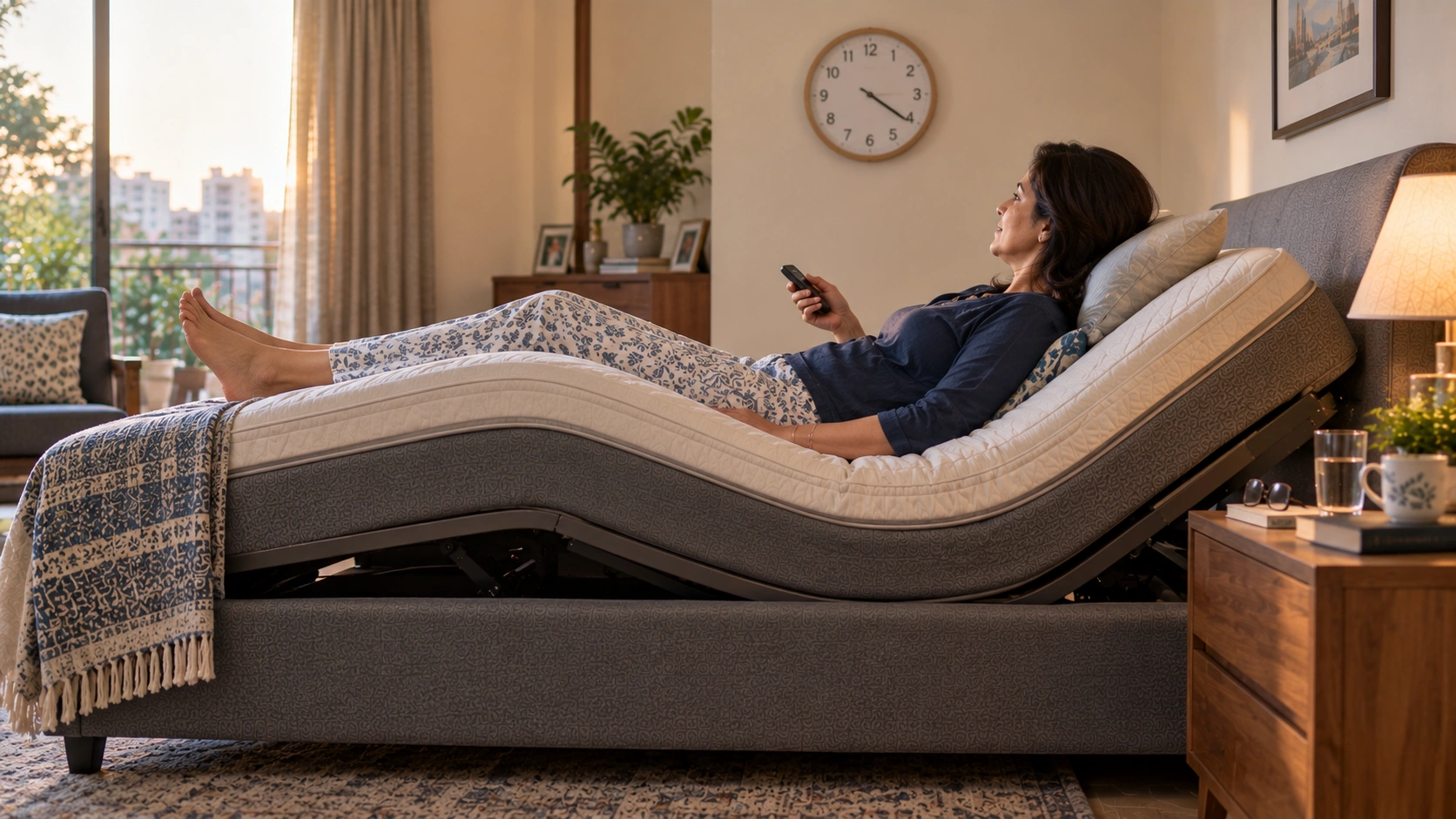
For back pain relief, the Zero Gravity position is generally most effective when used for the full duration of sleep roughly 7 to 8 hours nightly rather than in short sessions. If you’re using it as a daytime relief break rather than for sleep, even 20 to 30 minutes can meaningfully ease pressure, but the consistent, full-night use is what drives the more significant, lasting improvement most people are seeking.
Once you’ve found a comfortable Zero Gravity angle, a natural next question is exactly how long you should stay in the zero-gravity position for back pain relief is it something to use briefly throughout the day, or is the real benefit tied to using it for full nights of sleep? The answer depends somewhat on what you’re using it for, and this guide breaks down both use cases clearly.
Nighttime Use: Full Duration Is the Goal
For back pain relief specifically, using the Zero Gravity position for the entirety of your sleep typically 7 to 8 hours delivers the most meaningful benefit, since the goal is removing sustained pressure on the lower spine for the full period your body would otherwise be under strain from flat, unsupported sleeping. Partial-night use, such as falling asleep flat and only later readjusting, still helps somewhat, but doesn’t address the pressure buildup that occurs during whatever portion of the night was spent unsupported.
Daytime Use: Shorter Sessions Still Add Value
If you’re using the Zero Gravity position during the day for example, on a lunch break or after a long day of sitting shorter sessions of 20 to 30 minutes can still meaningfully reduce pressure and support circulation, even without the full-night duration. This is a genuinely useful complementary habit alongside consistent nighttime use, not a substitute for it, particularly for people managing desk-related back pain covered in our guide on adjustable beds for desk workers.
Recommended Duration and Frequency by Goal
| Goal | Recommended Duration | Frequency |
| General nightly back pain relief | Full sleep duration (7–8 hours) | Every night, consistently |
| Daytime pressure relief break | 20–30 minutes | 1–2 times daily, as needed |
| Circulation/swelling support | 20–30 minutes minimum | Daily, or more often if swelling is significant |
| Acute flare-up management | As comfortable, gradually increasing | Multiple short sessions may help more than one long one initially |
Should You Build Up Gradually or Start With Full-Night Use?
For most people new to the Zero Gravity position, a gradual approach tends to work better than jumping straight to a full night at the deepest available angle. Starting with a gentler angle for the first few nights, then progressing toward your ideal Zero Gravity setting over one to two weeks, allows your body to adjust to a genuinely new sleeping posture without the discomfort that can come from too dramatic a change too quickly. Our detailed setup guide in how to set up your adjustable bed for maximum lower back pain relief walks through this progression step by step.
Is There Such a Thing as Too Much Zero Gravity Use?
For sleep, no meaningful downside exists to using the position for the full night, since it’s simply your sleeping posture rather than an active intervention with a defined dosage limit. For daytime use specifically, there’s no strong evidence suggesting shorter or longer sessions carry meaningful risk either, though extremely prolonged daytime bed rest for reasons unrelated to genuine need can contribute to general deconditioning over time this is a consideration about overall inactivity, not something specific to the Zero Gravity position itself.
What If You Wake Up and Have Shifted Out of Position?
It’s completely normal to shift position somewhat during sleep, even on an adjustable bed, and waking up to find you’ve moved slightly from your exact starting angle doesn’t mean the setup has failed. The frame maintains its set angle throughout the night regardless of how your body has shifted within that supported space this is fundamentally different from stacked pillows, which lose their supportive shape as they compress and shift. If you consistently wake in a position that feels less supportive than when you fell asleep, it may be worth revisiting mattress firmness, covered in our guide on best mattress firmness for back pain on an adjustable bed, since a mismatched mattress can contribute to this.
Adjusting Duration Based on How Your Body Responds
While full-night use is the general recommendation, it’s worth paying attention to your own body’s specific response during the first few weeks, since a small minority of people find that an extremely prolonged single position, even a well-supported one, isn’t ideal for their particular back. If you notice new stiffness developing specifically from staying in one position too long, rather than the general morning stiffness that positioning is meant to reduce, it’s reasonable to build in small position variations through the night rather than holding one exact angle rigidly for the entire eight hours many adjustable beds with position memory make it easy to save two or three slightly different settings and shift between them without losing the core benefit.
How Duration Recommendations Differ for Specific Conditions
The general 7-to-8-hour nightly guidance applies broadly, but certain conditions call for somewhat different duration considerations. For acute flare-ups or recent injury, shorter, more frequent adjustments with gradual position changes throughout the day may provide more relief initially than committing to one fixed position for extended periods, until the acute phase settles. For chronic, stable back pain, consistent full-night use tends to be more valuable than variation, since the goal shifts from acute symptom management toward long-term postural support. If you’re managing a specific diagnosed condition, it’s worth discussing duration and frequency directly with your physiotherapist, who can tailor this general guidance to your particular situation.
For back pain relief, the Zero Gravity position works best as your consistent, full-night sleeping posture rather than an occasional short-term fix though shorter daytime sessions add genuine complementary value. Build up gradually if you’re new to the position, and stay consistent once you’ve found your ideal angle.
Explore our Zero Gravity Electric Beds range, or read our guide on how does the zero-gravity feature in adjustable beds work for the mechanics behind the position.
Related Reading: