For sciatica and herniated disc pain, the two most effective adjustable bed positions are the Zero Gravity position (legs raised above heart level, head gently reclined) and the knee-elevated flat position. Both reduce pressure on the lower spine and sciatic nerve pathway. Start with a small incline and increase gradually never force a steep angle on the first try.
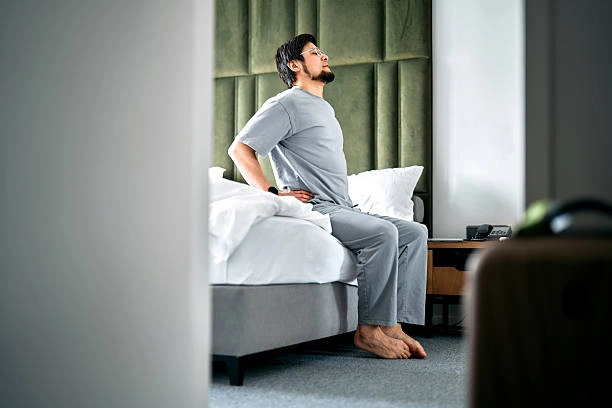
If you’ve ever had a sciatica flare-up, you know that lying flat can feel like the worst possible position pressure builds along the lower back and shoots down one leg, making sleep nearly impossible. A herniated or bulging disc creates a similar problem: flat mattresses often compress the very area that needs relief. This is exactly where an adjustable bed’s positioning options become genuinely useful, not just a comfort feature.
Why Flat Sleeping Aggravates Sciatica and Disc Pain
Lying completely flat increases pressure on the lumbar discs, which can intensify nerve irritation along the sciatic pathway. It also tends to flatten the spine’s natural curve, pulling already-inflamed tissue tighter. An adjustable bed for back pain lets you interrupt this pattern by changing the angle of your hips, knees, and upper body redistributing weight away from the compressed area.
Position 1: The Zero Gravity Setting
This is the most recommended starting point for sciatica and disc-related pain. Here’s how to set it up correctly:
- Recline the head section to roughly a 15–20° angle.
- Raise the leg section until your knees sit slightly above hip level.
- Fine-tune until your lower back feels supported rather than arched.
This position takes weight off the lumbar spine and mimics the posture used in NASA’s launch-position research, which found significantly reduced spinal stress compared to flat lying. Most modern adjustable beds include a one-touch Zero Gravity preset for exactly this reason we cover fine-tuning it further in how to set up your adjustable bed for maximum lower back pain relief.
Position 2: Knee-Elevated Flat Position
If a steep Zero Gravity angle feels too intense at first, start here. Keep the head section flat or barely raised, and elevate only the knee section by 15–20°. This gently unloads the lower spine without a dramatic shift in posture a good entry point for people new to adjustable beds or dealing with an acute flare-up.
Position 3: Side-Lying with Leg Support
For sciatica that worsens on your back, side-lying with the leg section slightly raised can relieve pressure on the sciatic nerve while keeping the spine in a more neutral rotation. Pairing this with a supportive pillow between the knees often adds extra relief.
What to Avoid
- Sudden, steep inclines always adjust gradually rather than jumping straight to a high angle.
- Sleeping fully flat with legs straight this is usually the worst position for both sciatica and disc pain.
- Ignoring mattress firmness a mattress that’s too firm resists the frame’s movement; too soft, and it won’t support the adjusted curve.
Not sure how to find your personal “sweet spot” angle? Our detailed walkthrough on the expert way to find the best sleeping position on an adjustable bed is a good next read.
Features to Look for If Nerve Pain Is Your Main Concern
- Independent head and leg adjustment so you can fine-tune each side separately
- A dedicated Zero Gravity preset to avoid manual guesswork every night
- Height-adjustable base for easier, lower-strain transfers in and out of bed during a flare-up
- A responsive, contouring mattress memory foam or natural latex work best with these positions
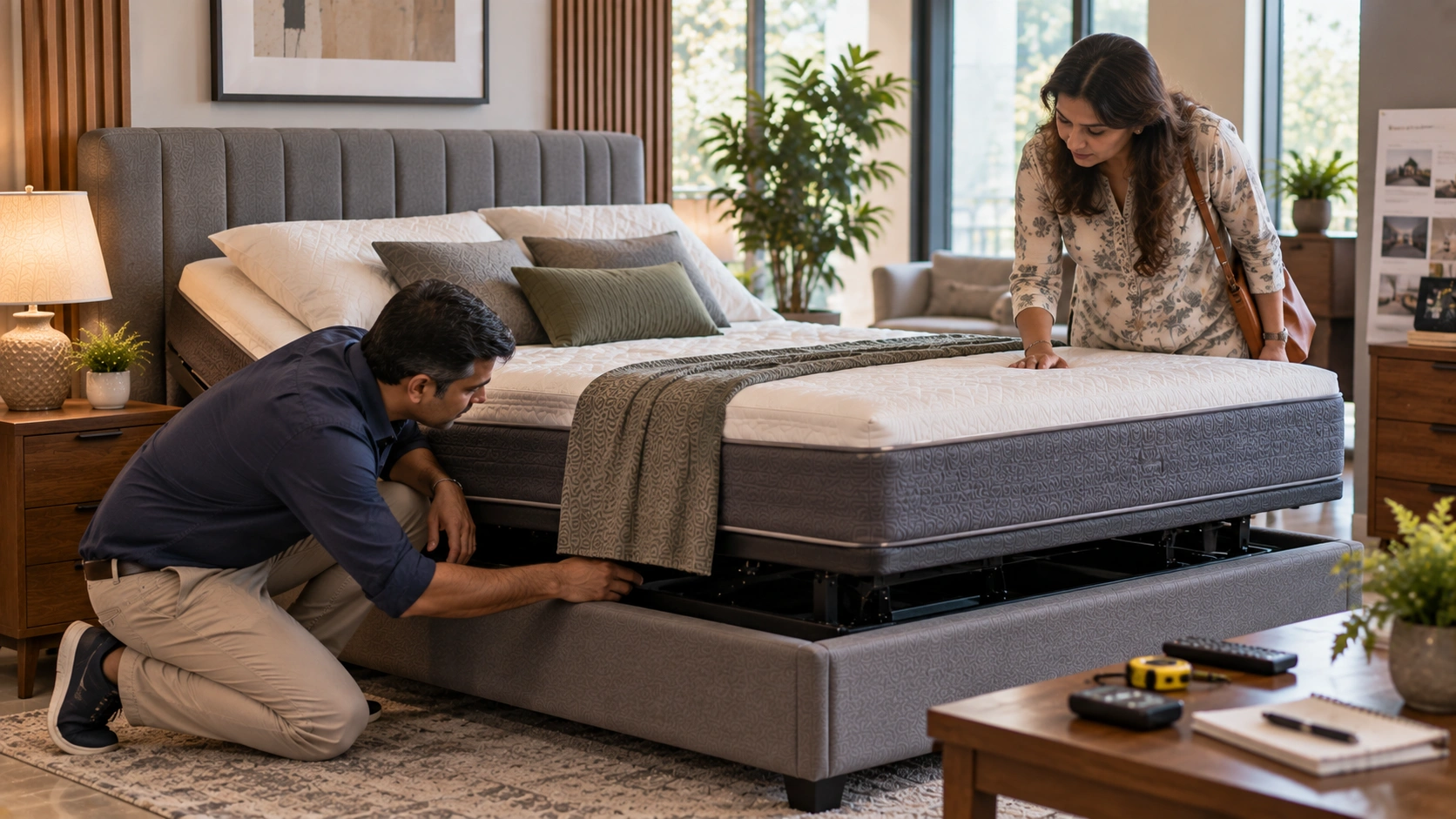
Our Adjustable Bed for Back Pain range includes all of these as standard, and if height adjustability for easier transfers is a priority, our Adjustable Bed Frame collection has several height-adjustable options.
Final Thoughts
Sciatica and disc pain respond well to the right positioning but “right” is personal, so give yourself a week or two to fine-tune before judging the results. Small, consistent adjustments almost always beat one dramatic setting change.
Explore our full Zero G Beds collection or book a free consultation to find the setup that fits your specific pain pattern.