
According to the World Health Organization (WHO), pressure ulcers, commonly known as bed sores, are among the most common complications affecting individuals with limited mobility. People who spend long periods in bed or a chair are at a significantly higher risk of developing pressure-related skin injuries, making prevention and early detection essential.
Introduction
For example, a patient recovering from surgery or an elderly individual with limited mobility may spend most of their day in bed. If pressure remains on the same area of skin for extended periods, redness and irritation can develop. Without proper care, these seemingly minor signs can progress into painful wounds known as bed sores.
Bed sores are a serious concern for bedridden patients, seniors, and individuals with mobility challenges. The good news is that many pressure ulcers can be prevented through proper positioning, skin care, nutrition, and the use of supportive equipment.
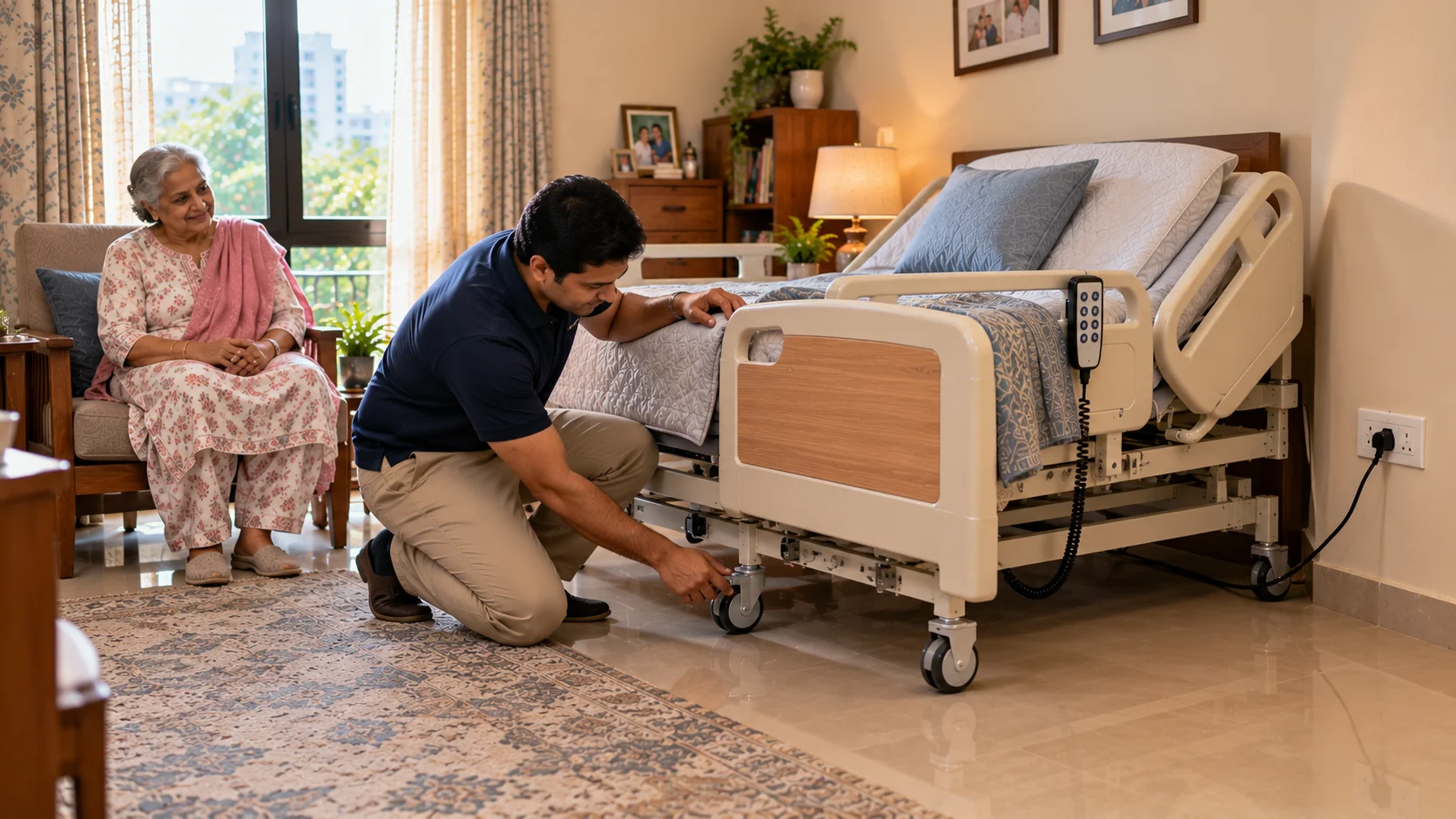
Families caring for loved ones at home often use a Bed For Patients or Adjustable Bed For Patients At Home to improve comfort and reduce pressure on vulnerable areas of the body.
Understanding the early warning signs can help caregivers take action before a small issue becomes a serious medical problem.
What Are Bed Sores?
Bed sores are injuries to the skin and underlying tissue caused by prolonged pressure, friction, or shear forces on specific parts of the body.
They typically develop when blood flow to the skin is reduced for an extended period. Without adequate circulation, skin tissue can become damaged and eventually break down.
Bed sores are also known as:
- Pressure ulcers
- Pressure injuries
- Decubitus ulcers
They commonly occur in individuals who spend long periods in bed or a wheelchair.
Which Areas of the Body Are Most Vulnerable to Bed Sores?
Bed sores usually develop over bony areas where prolonged pressure is concentrated.
Common locations include:
- Tailbone
- Hips
- Heels
- Ankles
- Shoulders
- Elbows
- Back of the head
- Shoulder blades
These areas have less natural cushioning and are more vulnerable to pressure-related damage.
What Causes Bed Sores?
Bed sores occur when constant pressure reduces blood flow to the skin and underlying tissues.
Without adequate oxygen and nutrients, tissue damage begins to occur.
Common Causes of Bed Sores
Prolonged Immobility
Remaining in one position for several hours increases pressure on specific body areas.
Friction
Repeated rubbing against bedding or clothing can damage the skin.
Shear Forces
Shear occurs when the skin remains stationary while deeper tissues move.
Moisture
Excess moisture from perspiration or incontinence can weaken the skin.
Poor Nutrition
Insufficient protein and nutrients can slow skin repair and healing.
Who Is Most at Risk of Developing Bed Sores?
People with limited mobility face the highest risk.
High-Risk Groups Include:
- Bedridden patients
- Seniors with mobility challenges
- Stroke survivors
- Patients recovering from surgery
- Individuals with spinal cord injuries
- People with neurological disorders
Many families caring for these individuals choose a Patient Bed For Home that allows easier repositioning throughout the day.
What Are the Early Signs of Bed Sores?
The earliest signs of bed sores often appear before the skin breaks open. Recognizing these warning signs early can help prevent more serious complications.
Persistent Redness
One of the first signs is redness that does not disappear after changing positions.
The area may remain red even after pressure is removed.
Skin Discoloration
People with darker skin tones may notice:
- Purple areas
- Blue discoloration
- Darkened patches
Tenderness or Pain
The affected area may become sensitive or painful when touched.
Warm or Cool Skin
The skin may feel warmer or cooler than surrounding areas.
Swelling
Mild swelling can indicate tissue damage beneath the surface.
Changes in Skin Texture
The skin may feel:
- Softer than normal
- Firmer than normal
- Spongy
Itching or Burning Sensation
Some patients experience itching, tingling, or burning before visible damage develops.
What Are the Different Stages of Bed Sores?
Healthcare professionals classify bed sores into four stages based on severity.
| Stage | Description |
| Stage 1 | Red, intact skin with no open wound |
| Stage 2 | Partial skin loss or blister formation |
| Stage 3 | Deep wound extending into fatty tissue |
| Stage 4 | Severe tissue damage exposing muscle or bone |
Early detection during Stage 1 offers the best opportunity for prevention and recovery.
How Can Caregivers Check for Early Signs of Bed Sores?
Daily skin inspections are one of the most effective prevention strategies.
Areas to Inspect
Check:
- Hips
- Tailbone
- Heels
- Ankles
- Shoulders
- Elbows
What to Look For
Monitor for:
- Redness
- Swelling
- Discoloration
- Skin breakdown
- Unusual warmth
Daily observation helps identify issues before they become serious.
Why Is Repositioning Important for Prevention?
Regular repositioning helps relieve pressure and improve blood circulation.
Without movement, pressure continues to restrict blood flow.
How Often Should Patients Be Repositioned?
Healthcare professionals commonly recommend repositioning every two to three hours.
Frequent movement helps protect vulnerable areas.
Common Repositioning Positions
- Back position
- Left side
- Right side
- Semi-reclined position
How Does Circulation Affect Bed Sore Prevention?
Healthy circulation supplies oxygen and nutrients to the skin and underlying tissues.
Poor circulation increases the risk of tissue damage and delayed healing.
Ways to Improve Circulation
- Regular repositioning
- Leg elevation
- Gentle movement
- Range-of-motion exercises
Discover How to Care for a Bedridden Patient at Home and support healthier circulation and comfort.
Can Adjustable Beds Help Prevent Bed Sores?
Yes, adjustable beds can help reduce pressure concentration, improve positioning, and support circulation.
Many caregivers find adjustable beds beneficial because they make position changes easier and more comfortable.
Benefits of Adjustable Beds
Better Pressure Distribution
Adjustable positioning helps spread body weight more evenly.
Easier Repositioning
Caregivers can adjust positions with less physical effort.
Improved Comfort
Custom positioning reduces prolonged pressure on vulnerable areas.
Enhanced Circulation
Leg elevation can support blood flow and reduce swelling.
Many families caring for loved ones at home choose an Electric Bed For Patients or Remote Control Bed For Patient to simplify daily care routines.
What Type of Mattress Is Best for Preventing Bed Sores?
Supportive mattresses play an important role in pressure management.
Recommended Mattress Types
| Mattress Type | Benefit |
| Pressure Relief Mattress | Reduces pressure points |
| Foam Mattress | Improves weight distribution |
| Air Mattress | Alternates pressure areas |
| Adjustable Sleep Surface | Supports position changes |
The right support surface can significantly reduce the risk of pressure-related injuries.
How Does Nutrition Help Prevent Bed Sores?
Proper nutrition supports skin health and tissue repair.
Patients with poor nutrition often have a higher risk of developing pressure ulcers.
Important Nutrients
Protein
Supports skin maintenance and healing.
Vitamin C
Helps support collagen production.
Zinc
Plays a role in tissue repair.
Hydration
Maintains skin elasticity and health.
A balanced diet helps strengthen the body’s natural defenses against skin breakdown.
What Do Healthcare Professionals Recommend?
Most healthcare professionals recommend a combination of:
- Daily skin inspections
- Regular repositioning
- Proper nutrition
- Good hygiene
- Pressure-relieving support surfaces
This comprehensive approach significantly reduces the risk of developing bed sores.
Patients with long-term mobility limitations may also benefit from specialized support equipment that improves positioning and comfort.
Adjustable Beds vs Traditional Beds for Pressure Relief
| Feature | Adjustable Bed | Traditional Bed |
| Position Changes | Easy | Limited |
| Pressure Redistribution | Better | Basic |
| Circulation Support | Improved | Minimal |
| Caregiver Assistance | Easier | More difficult |
| Comfort Customization | High | Limited |
Read Adjustable Beds vs Traditional Beds: Which Is Better for Long-Term Health? for a detailed comparison.
When Should You Contact a Doctor?
Seek medical attention if:
- Redness does not improve
- Skin becomes open or blistered
- Signs of infection appear
- Fever develops
- Pain worsens
Early medical intervention can prevent serious complications.
Key Takeaways
- Bed sores are caused by prolonged pressure on the skin and underlying tissues.
- Persistent redness is often the earliest warning sign.
- Daily skin inspections help identify problems early.
- Repositioning every two to three hours reduces pressure buildup.
- Good nutrition and hydration support skin health.
- Adjustable beds can improve positioning, circulation, and pressure relief.
Conclusion
Early identification and prevention are the most effective ways to manage bed sores. Recognizing warning signs such as persistent redness, skin discoloration, swelling, or tenderness can help caregivers take action before pressure injuries become severe.
Regular repositioning, proper hygiene, good nutrition, and supportive sleep surfaces all play an important role in protecting skin health. For many families, a Bed For Patients, Patient Bed For Home, or Electric Bed For Patients can provide additional comfort and make daily caregiving easier.
By following preventive care practices consistently, caregivers can help reduce the risk of pressure ulcers while improving comfort, safety, and overall quality of life.
This article is for informational purposes only and should not be considered medical advice. If you notice signs of a pressure ulcer or have concerns about a patient’s health, consult a qualified healthcare professional for personalized guidance.